Things to do · Cirencester
Corinium Museum
Cirencester's museum of Roman Corinium, with the Hare, Four Seasons and Orpheus mosaics, Anglo-Saxon grave goods and medieval sculpture.
Family-friendly · Rainy days · Car-free
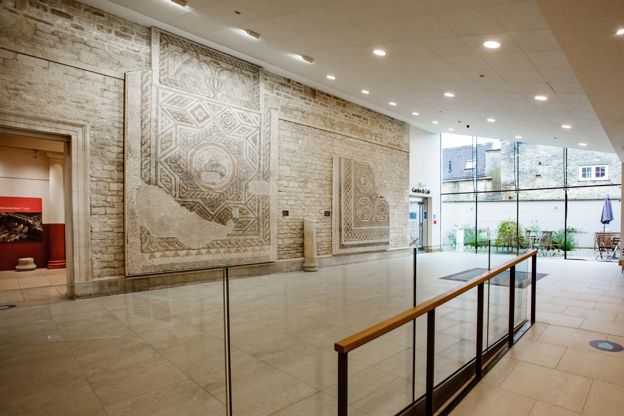
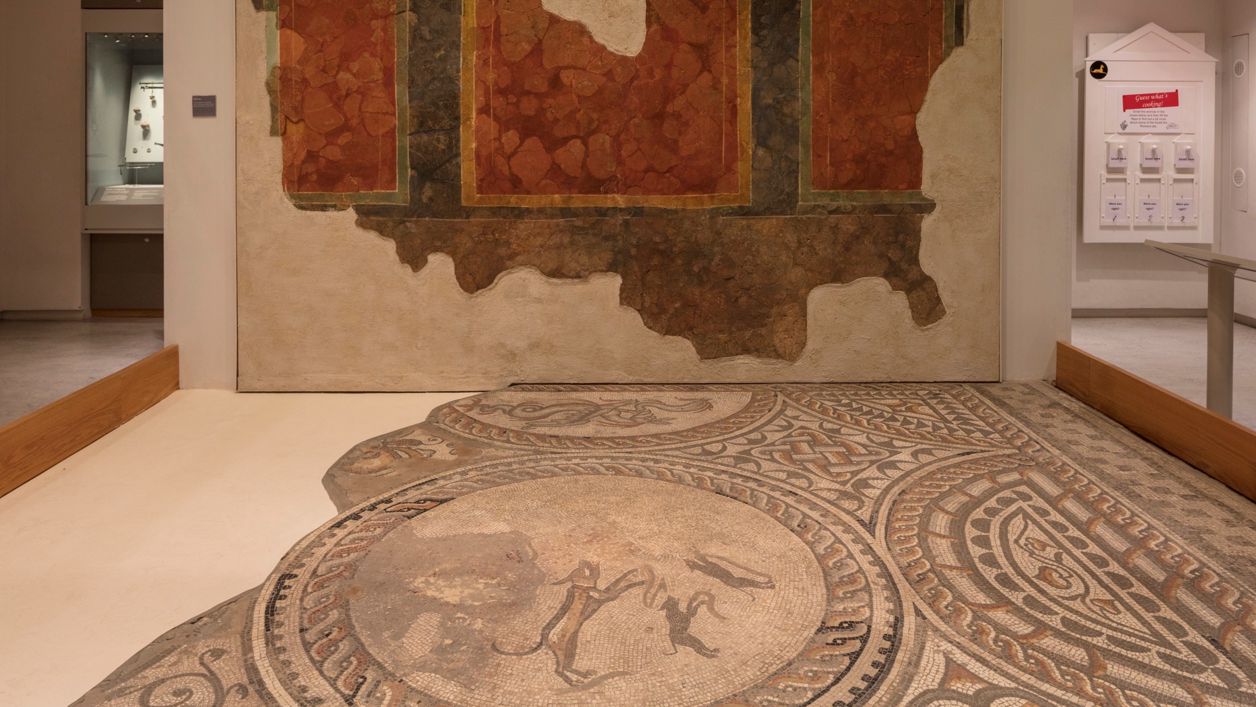
The best Roman museum in the Cotswolds, and the place to start a day in Cirencester before walking out to the amphitheatre. Allow at least an hour.
- Good: The Hare, Four Seasons and Orpheus mosaics
- Good: Open every day, 10am to 4pm
- Good: Under-fives and carers free
- Good: Shop and the town's visitor information centre, with a tea room next door
- Good: Accessible toilets and a wheelchair to borrow
About
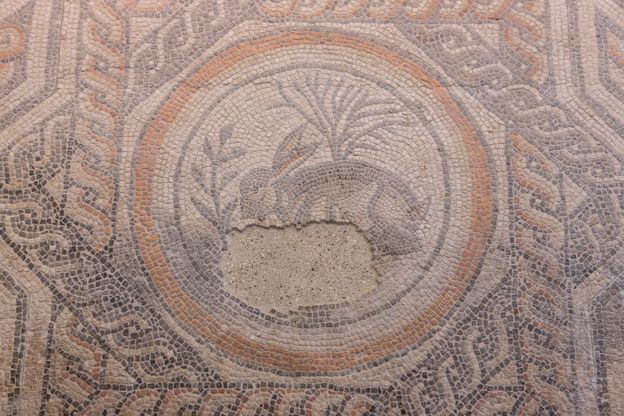
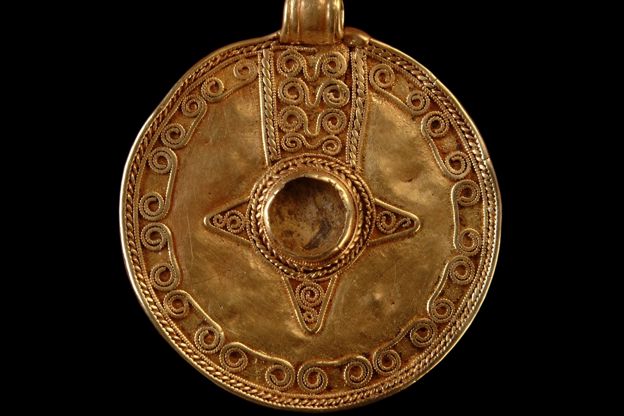
The Corinium Museum tells the story of Cirencester from prehistory to the Middle Ages, and above all of Corinium, which the museum calls the second largest Roman town in Britain after London. More than 90 mosaics are known from the town and the country around it, which the museum describes as the largest concentration outside London, and its Roman gallery shows the Hare, Hunting Dogs, Four Seasons and Orpheus mosaics, with Anglo-Saxon grave goods and medieval sculpture in the galleries beyond.
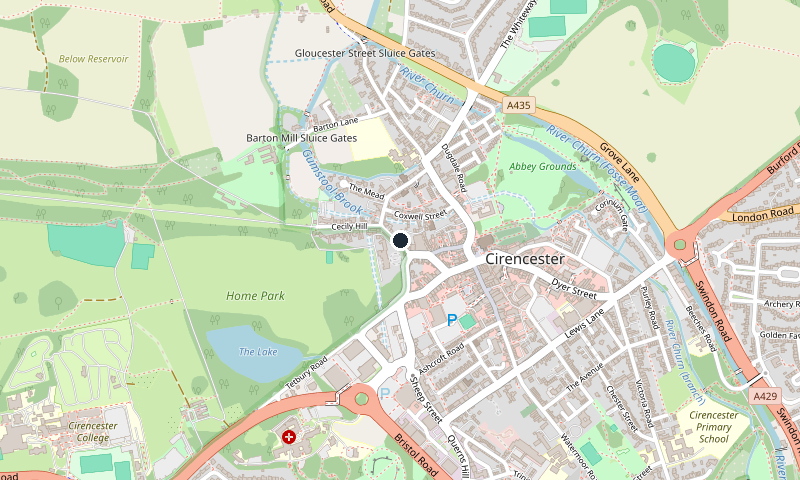
It is on Park Street, a short walk from the Market Place and the parish church of St John the Baptist. The Roman amphitheatre is about a kilometre to the south, so a visit to both makes a half day.
The museum opens every day from 10am to 4pm and suggests allowing at least an hour. Under-fives and carers go free, there is a family ticket, tickets can be booked online, and visitors who arrive by bus, train or bike get reduced entry. It has a shop, accessible toilets and baby changing, and the town's visitor information centre is here; Jack's tea room adjoins the museum, with its own door on Black Jack Street. It suits families and anyone on a wet day, and it is the place to start if you want to understand the Roman sites around Cirencester.
Opening hours and season
| Monday | 10:00 to 16:00 |
|---|---|
| Tuesday | 10:00 to 16:00 |
| Wednesday | 10:00 to 16:00 |
| Thursday | 10:00 to 16:00 |
| Friday | 10:00 to 16:00 |
| Saturday | 10:00 to 16:00 |
| Sunday | 10:00 to 16:00 |
Holiday closures are not listed on the museum's site; check before visiting at Christmas.
Facilities
- Tea room next doorJack's, entered from Black Jack Street
- Shop
- Accessible toiletsWith baby changing
- Wheelchair to borrow
The details
- Time to allow
- At least an hour
- Features
- Shop
- Parking
- Old Station car park (GL7 1US) is about two minutes' walk; St James Place (GL7 1FP), free at weekends, about three. Cashless pay and display.
- Without a car
- Kemble station is about 3 miles away, with buses and taxis; Stagecoach buses and National Express coaches serve Cirencester. Show a bus or train ticket, or arrive by bike, for reduced entry.
Photos
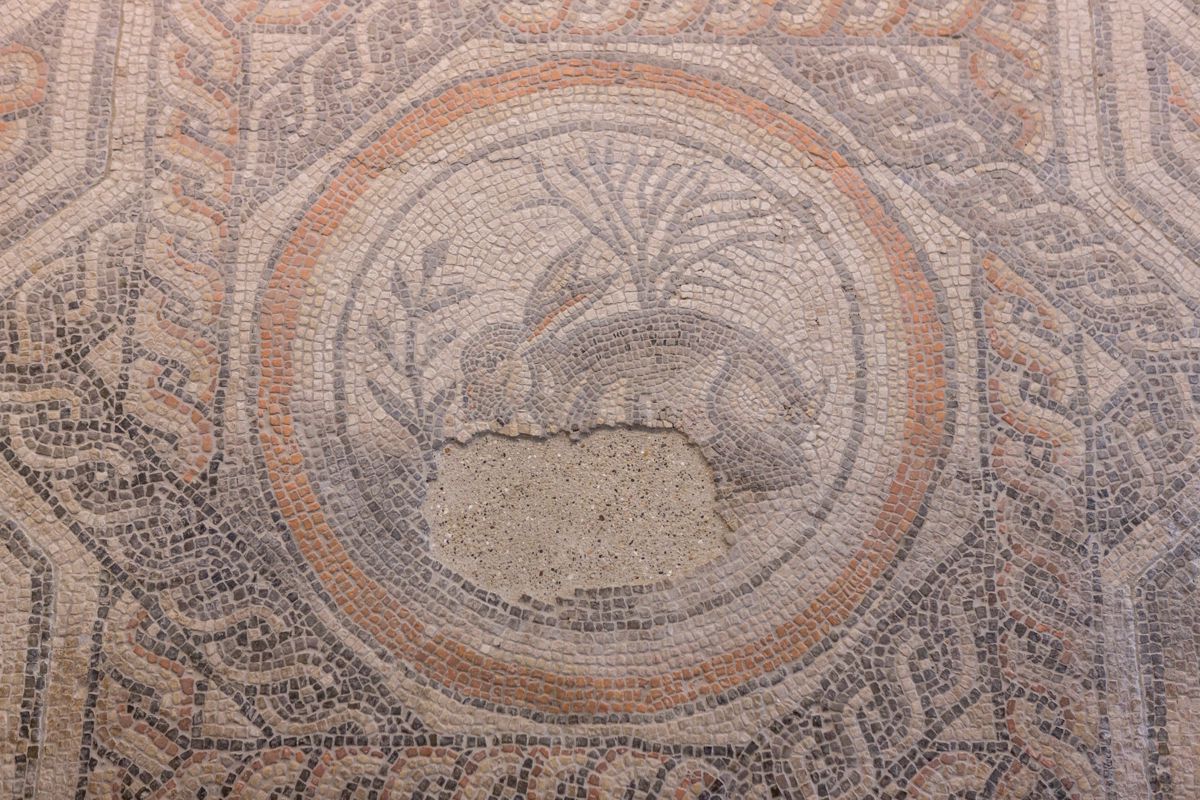
The Hare Mosaic 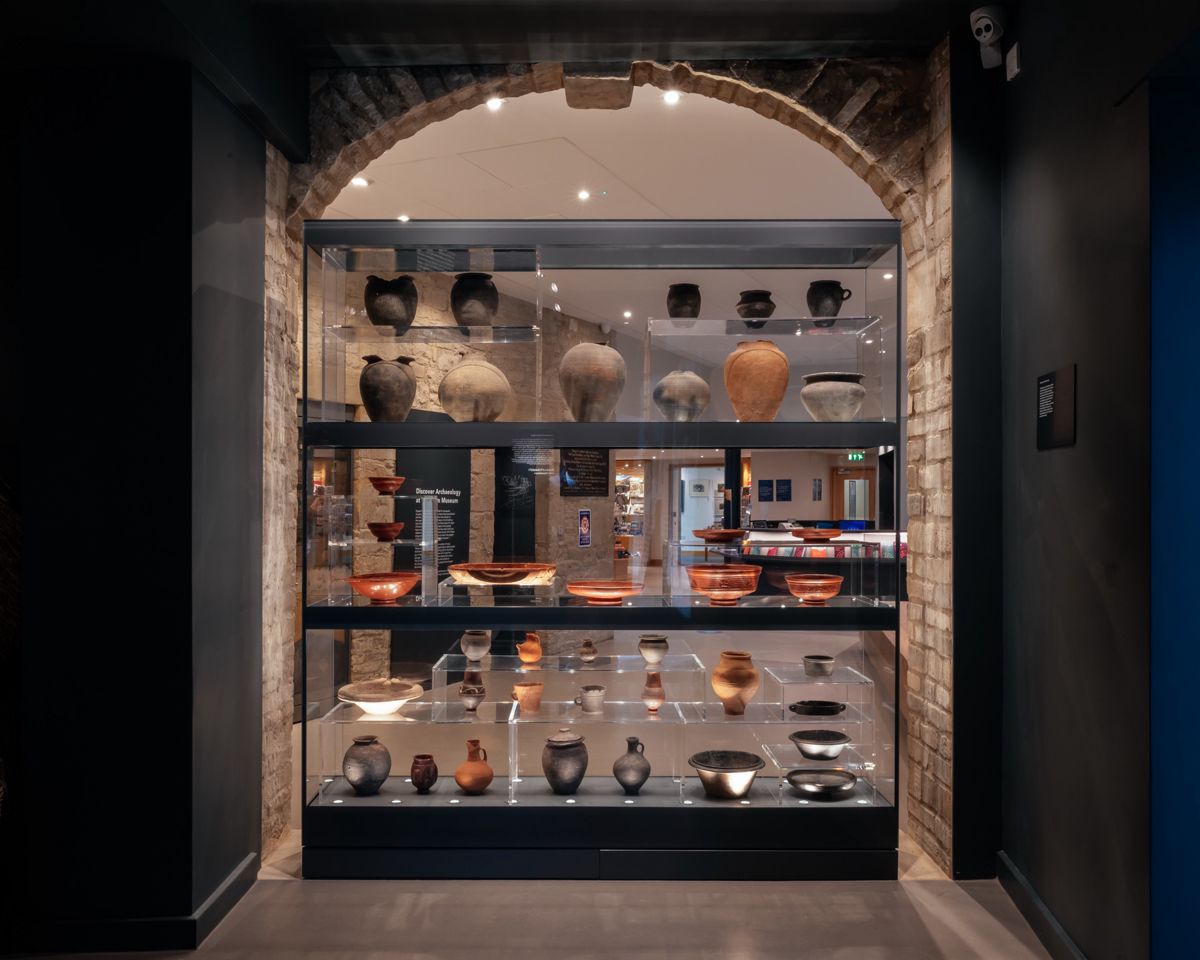
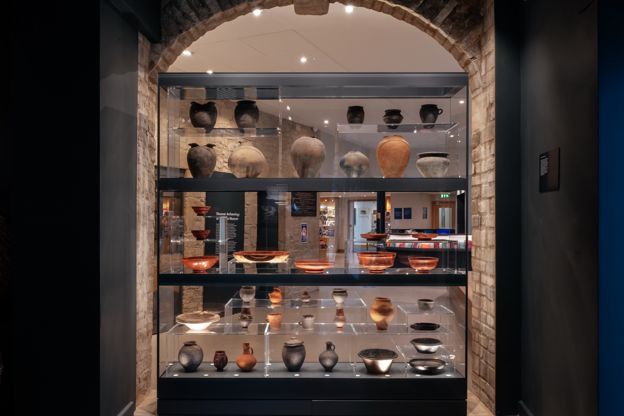
Roman pottery 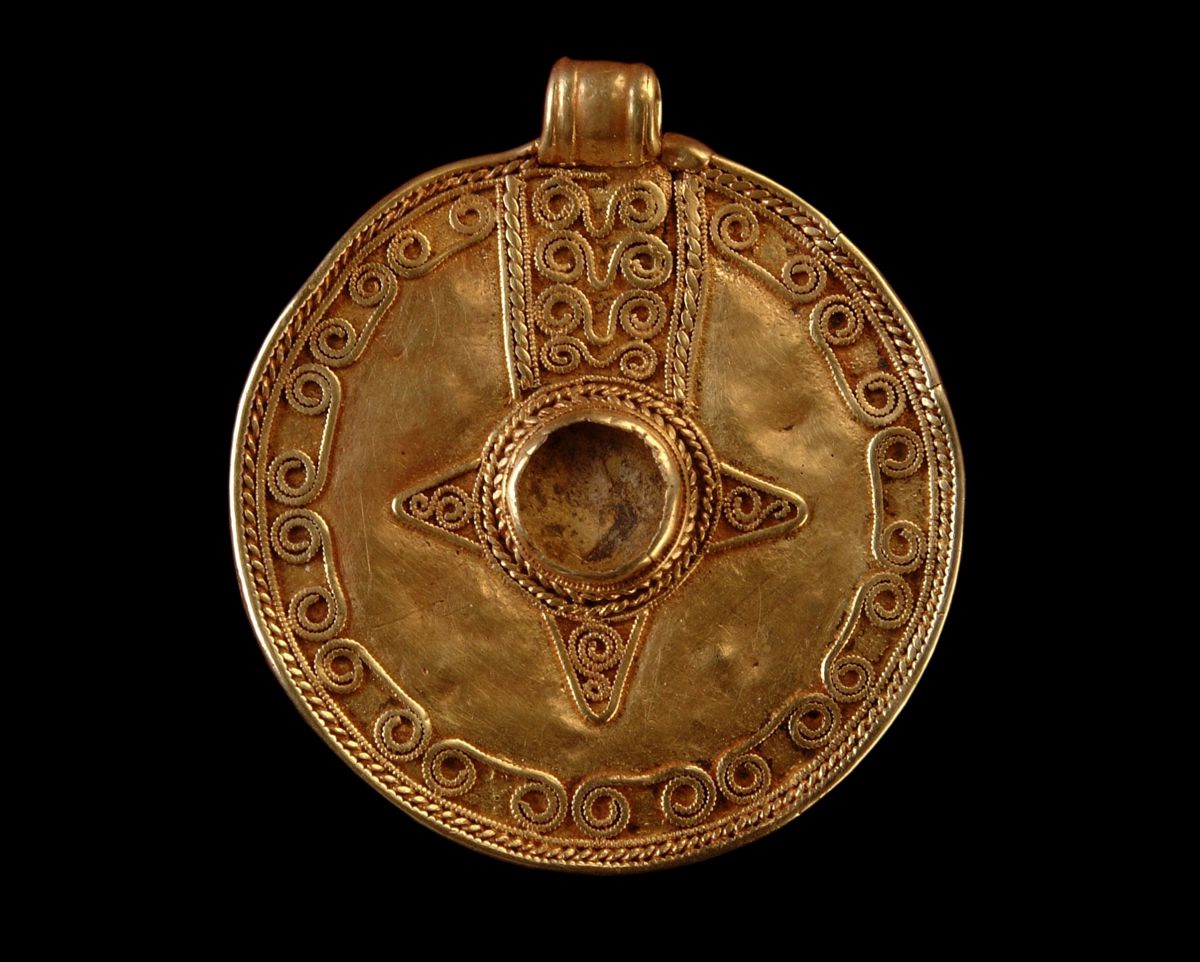
Anglo-Saxon gold 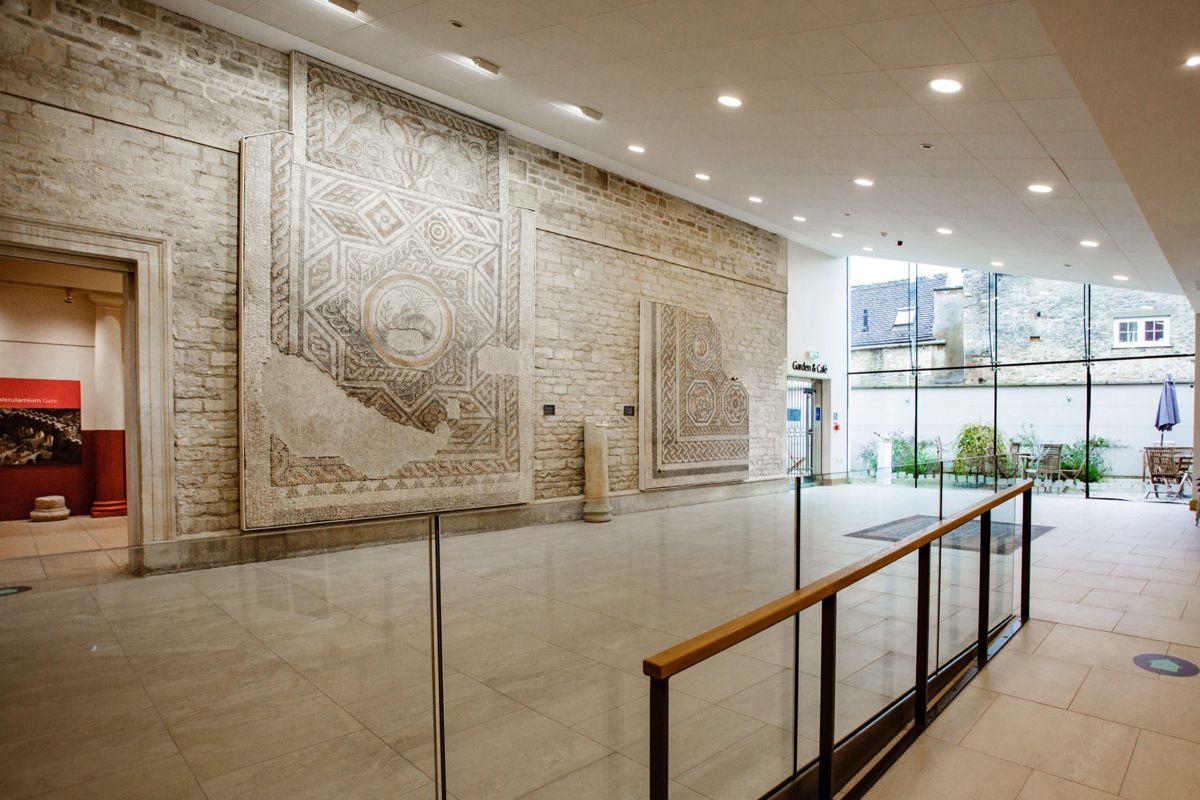
The mosaic hall
Location
Accessibility
- Accessible toilet
The museum states full disabled access and has accessible toilets, baby changing, a wheelchair to borrow and coloured reading overlays. Its access guide shows the reception, shop and galleries in 3D.
Places to stay nearby
-
The King's Head
Hotel · Cirencester
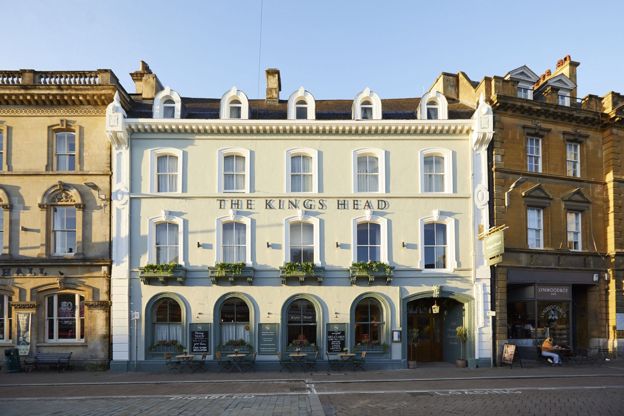
A former coaching inn on Cirencester's Market Place with 63 bedrooms, one of Brakspear's Honeycomb Houses, open from 7am daily, with dog-friendly dining.
Dog-friendly
Verified Nov 2026
-
The Corinium Hotel
Hotel · Cirencester
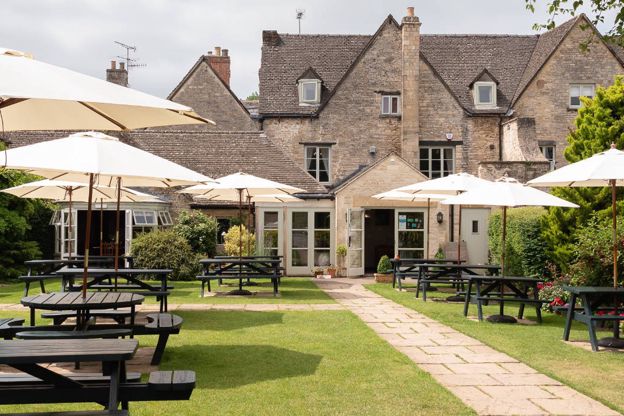
A family-run hotel in a listed old house on Gloucester Street, Cirencester, with 15 rooms, a walled garden, free parking and dogs in every room.
Dog-friendly · Wedding venues
Verified Oct 2026
-
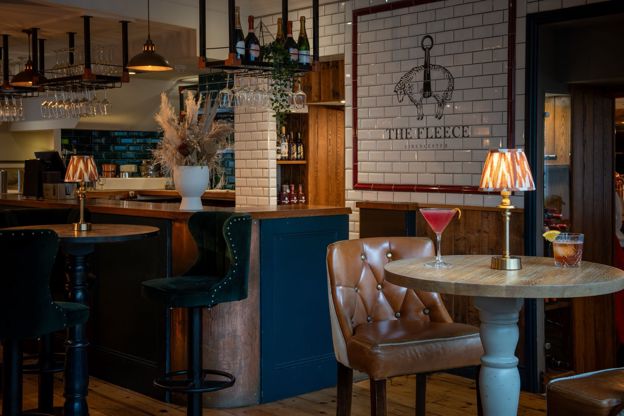
The Fleece
Inn · Cirencester
An inn with rooms on Cirencester's Market Place, run by Thwaites, with stays from £125 a room and dogs welcome in the bar.
Verified Oct 2026
Nearby walks, places and things to do
- Gilbertine Deli 0.1 km away
- Igloo 0.2 km away
- Black Horse 0.2 km away
- New Brewery Arts 0.2 km away
Sights nearby
-
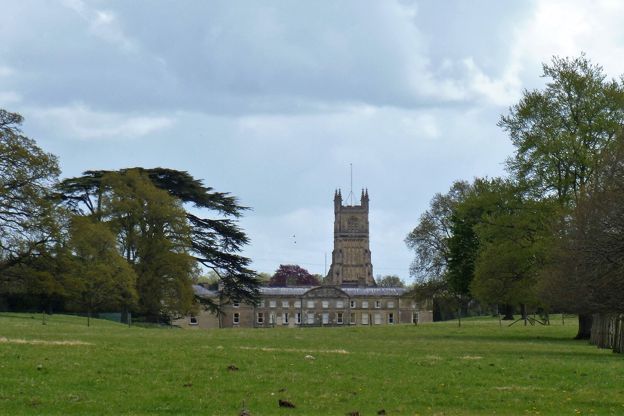
Cirencester Park
Sight · Common or park · Cirencester
The Bathurst family's landscape park on the western edge of Cirencester, planted from 1714 by the first Earl Bathurst with Alexander Pope: 8km of rides and woods along the Broad Ride, with Pope's Seat and Alfred's Hall. Grade I registered; a day pass is needed.
-
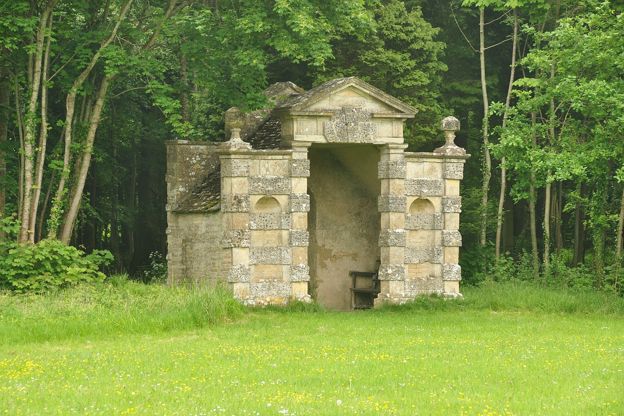
Pope's Seat, Cirencester Park
Sight · Historic building · Cirencester
A small stone pavilion of the early eighteenth century at Seven Rides in Cirencester Park, with a Doric portico and POPE'S SEAT cut in its pediment, named after the poet who helped Lord Bathurst lay out the park. Grade II*; a park day pass is needed.
-
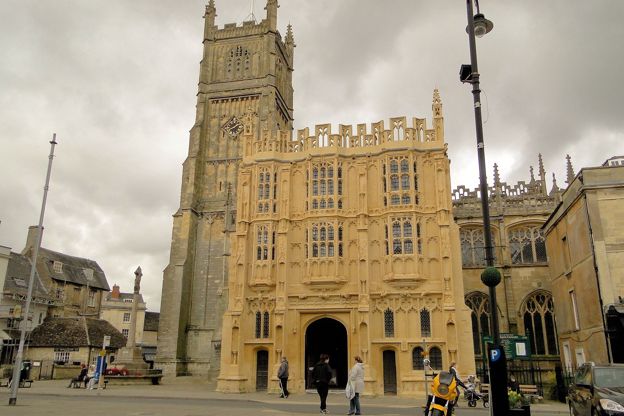
St John the Baptist, Cirencester
Sight · Church · Cirencester
Cirencester's great wool church on the Market Place, free to visit: a fifteenth-century tower you can climb on set Saturdays, a three-storey porch of about 1490 that served as the town hall, fan vaults, medieval glass and the Boleyn Cup. Grade I.