The Civil War in the Cotswolds
Between the King at Oxford and Parliament at Gloucester, the Cotswolds were fought over for four years. Here is what happened, what is record and what is family story, and where each episode left its mark.
· 9 minute read
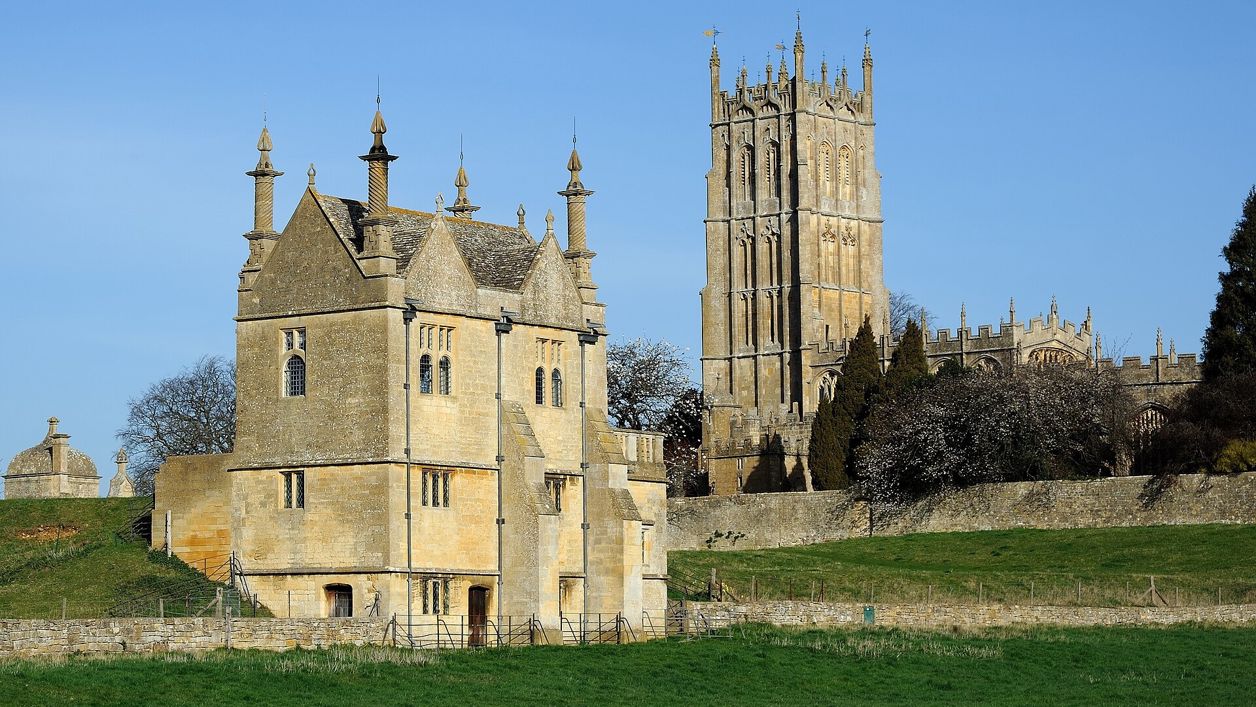
The Cotswolds were front-line country in the Civil War. From late 1642 Charles I held Oxford, Parliament held Gloucester, and the hills between were crossed again and again by armies, raiding parties and garrisons living off the land. The big events were the storming of Cirencester and the battle of Lansdown above Bath in 1643, the sieges of Sudeley Castle, the burning of Campden House in 1645 and the battle of Stow in 1646, the last of the first war. Then came the Levellers at Burford in 1649 and, from 1651, Chastleton's story of a Royalist in a secret room.
Between Oxford and Gloucester
Most of the war in the Cotswolds was not battle but occupation. The Victoria County History (opens in a new tab) lists what one small town went through: in 1643 a raiding party from Gloucester beat up the Royalist quarters at Stow-on-the-Wold, in the autumn Prince Rupert met the army marching to relieve Gloucester just short of the town, in 1644 Sir William Waller followed the King's retreat through it, and in 1645 Charles I stayed a night there. The town's bailiffs gave up meeting, the fairs brought in almost nothing, and plague came in 1644 and again in 1646.
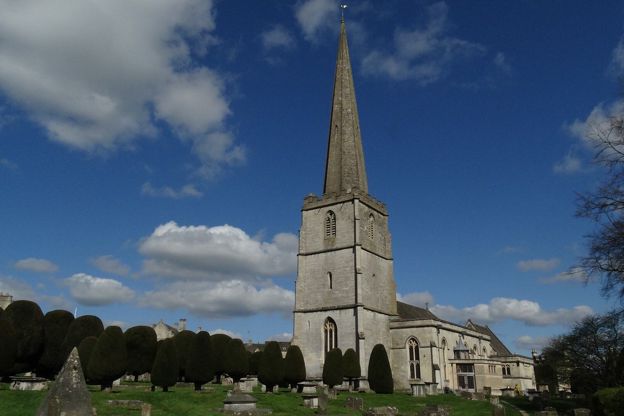
The same pattern runs through the parish histories. At Asthall troops were quartered from 1643, and a widow there was made to pay for months towards a Parliamentary garrison at Standlake. After the failed siege of Gloucester in 1643 Royalist troops held Painswick Beacon, and the marks on St Mary's tower in Painswick are said locally to come from a fight for the church, a local story rather than record. Robert Dover's games on Dover's Hill above Chipping Campden, first held in 1612, were cancelled in 1644 by the vicar of Campden, the Chipping Campden History Society records.
The storming of Cirencester, 1643
Cirencester was held for Parliament and stood in the way of supplies bound for the King at Oxford, and on 2 February 1643 Prince Rupert stormed it. He had already made one unsuccessful attempt on the town in January, by the British Civil Wars Project's account. This time his men broke in by the main entrance and fought through the streets. The Gloucester Civic Trust's history of the siege of Gloucester puts the cost at about 300 defenders killed and 1,500 taken prisoner, and the town was plundered. Sudeley Castle's new Parliamentary garrison abandoned it soon after.
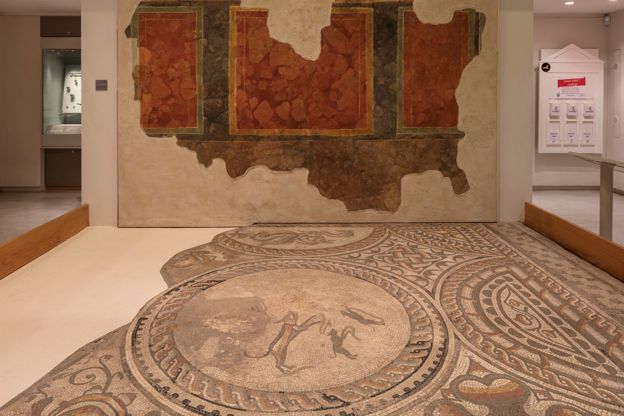
Nothing marks the fighting on the ground today. The Corinium Museum has run guided walks on the storming through the town centre, the Abbey Grounds and Cirencester Park, so check its events list before a visit to Cirencester.
The battle of Lansdown, 1643
The battle of Lansdown was fought on 5 July 1643 on the hill five miles (8km) north of Bath, where the Cotswold Way now makes its last miles to the city. Sir William Waller held the top for Parliament behind breastworks of earth and stone, and Sir Ralph Hopton's Royalist army, with the Cornish infantry at its core, attacked up the slope. English Heritage records (opens in a new tab) that the Cornish were thrown back twice and took the guns at the third attempt, and that their commander, Sir Bevil Grenville, was killed in the assault.
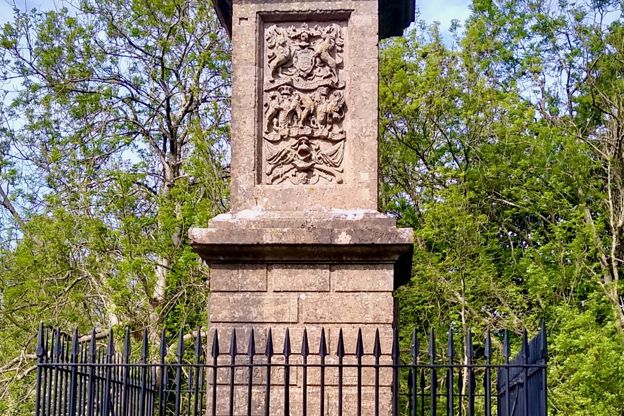
Waller fell back to a stone wall on the hilltop, and in the night slipped away to Bath, leaving lighted match in the wall to suggest an army on watch. The Royalists held the field, but the British Civil Wars Project counts about 250 of them killed against 20 of Parliament's, and the next day an ammunition wagon exploded and left Hopton badly burned. Historic England has registered the battlefield (opens in a new tab), and the monument to Grenville, put up in 1720 by his grandson Lord Lansdown, stands 7.6m high on the edge of the hill under a griffin holding the family arms.
The monument is in English Heritage's care, free and open in daylight, with a lay-by beside it. Our last stage of the Cotswold Way, from Cold Ashton to Bath passes it, and the Stagecoach 620 runs from Bath to the Lansdown Battlefields stop, Monday to Saturday.
Sudeley Castle, taken and taken again
Sudeley changed hands more than once and was left a ruin for nearly two centuries. The castle's own history (opens in a new tab) says George, Lord Chandos, declared for the King on 22 August 1642 and marched off with 1,000 men, and that in January 1643, with him away, the castle surrendered to Colonel Edward Massey after a three-day siege. When Rupert came to Cirencester the Roundheads abandoned it, desecrating St Mary's chapel on their way out. In 1644 Waller's guns bombarded it and its governor, Sir William Morton, surrendered.
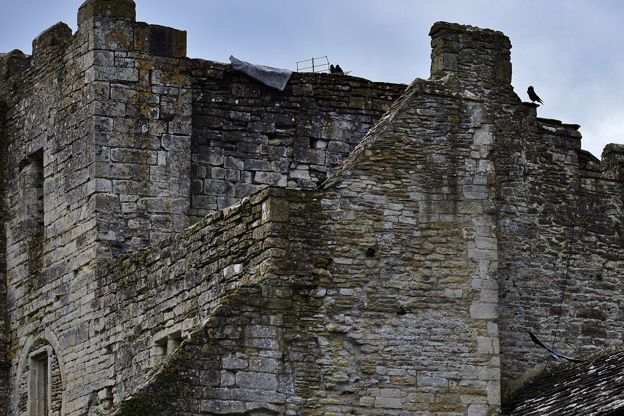
In 1649 the Council of State ordered the castle slighted, made useless as a fortress, and Chandos took £1,000 in compensation and never came back. The Dent family, Worcester glove makers, bought the ruin in 1837 and began restoring it. The castle reports that tree-ring dating in 2026 found original Tudor roof timbers, so the slighting was less thorough than the records claim. Sudeley Castle opens daily from mid-March to the start of November, and the ruins in its grounds show what the slighting did. Further south, Massey also took Beverston Castle near Tetbury after two sieges in 1644.
Campden House burned, 1645
Sir Baptist Hicks began his great house beside the church in Chipping Campden in about 1613, and Parks and Gardens UK records that it cost £29,000 to build. In January 1645 Colonel Henry Bard was sent with a few hundred men to hold it for the King. In May 1645 the garrison was withdrawn to join the Royalist army at Evesham, and it set the house on fire as it left. The Chipping Campden History Society records that the house burned to the ground.
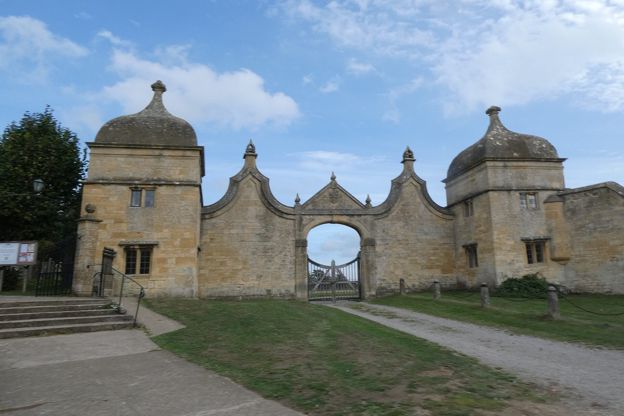
Who gave the order is still argued. Many historians, the Earl of Clarendon among them, have blamed Bard, but the Chipping Campden History Society concludes that it was done on Prince Rupert's orders, so that Parliament's troops could not use the house, and one of the Royalist officers, Sir Henry Slingsby, wrote that he set the fire himself. The society dates the fire to 9 May 1645, the Landmark Trust to the night of 10 May. What survives is the gateway and lodges on Church Street and two banqueting houses, which the Landmark Trust lets as holiday homes and opens on occasional days.
The battle of Stow, 1646
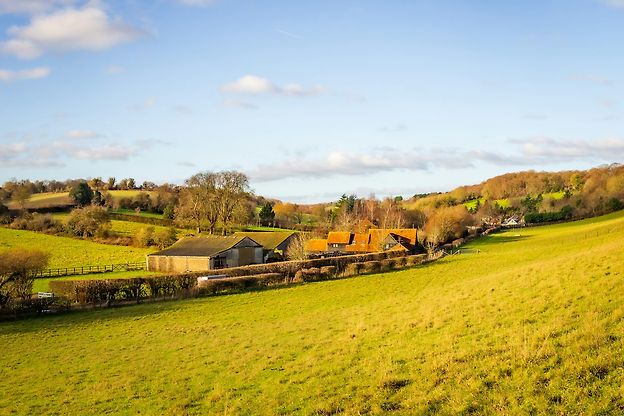
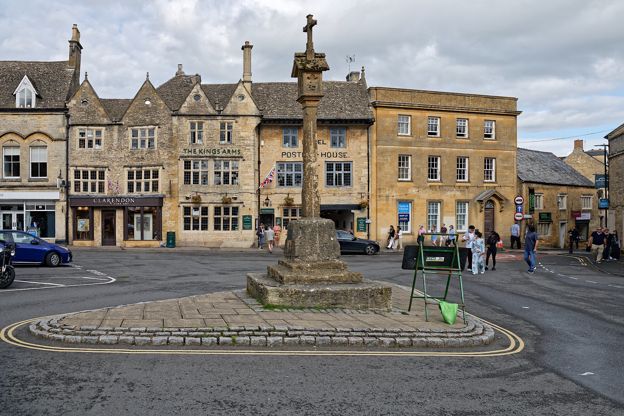
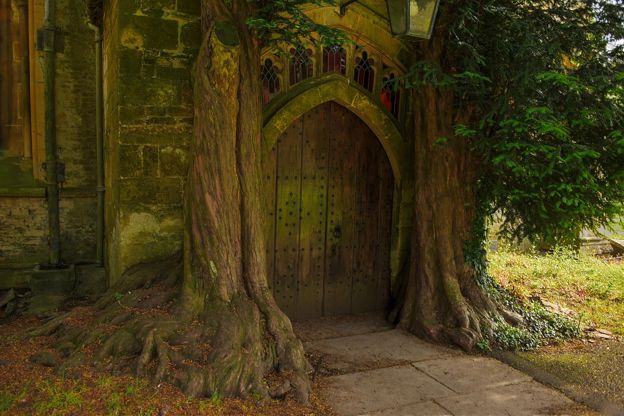
The battle of Stow on 21 March 1646 was the last of the first Civil War. Lord Astley was taking about 3,000 men from Worcester to join the King at Oxford when Colonel Thomas Morgan, Colonel John Birch and Sir William Brereton caught him. He halted at Donnington, about two miles north of Stow, on the evening of 20 March and drew up on the hillside at first light. Morgan's first attack was thrown back, but Brereton's cavalry broke the Royalist left and Astley's infantry fought their way back into the town, making a last stand in the Market Square.
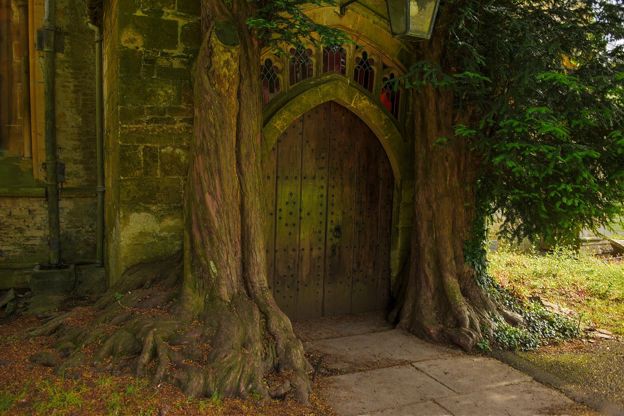
More than 1,600 prisoners were held in St Edward's Church, the county history records, and a slab in the chancel remembers Francis Keyt, killed in the fight. The Battlefields Trust gives Astley's words to his captors, sitting on a drum: 'You have now done your work, and may go play, unless you will fall out amongst yourselves.' Oxford surrendered that June. The town's market cross carries a panel of the Civil War among its four carved scenes, and our walk to Maugersbury starts in the Square where Astley gave up.
The Cotswolds Info newsletter
Events, new places and the best of the season, about once a month. Unsubscribe at any time.
The Levellers at Burford, 1649
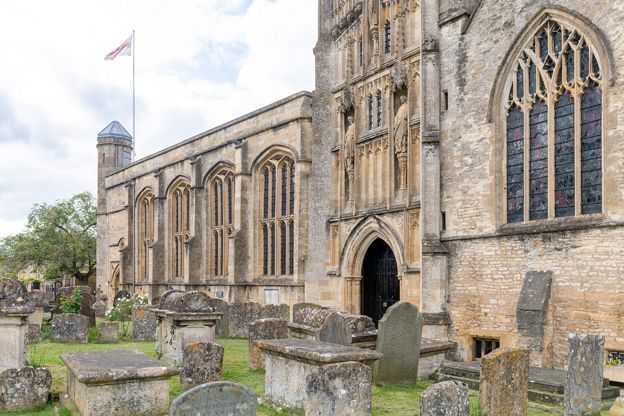
In May 1649, soldiers of Parliament's New Model Army mutinied over unpaid wages and in support of the Levellers, the radicals who wanted votes and rights for ordinary men, and marched north from Salisbury to join others near Banbury. Government troops surrounded them at Burford, and about 340 were shut in the church of St John the Baptist. One of them, Anthony Sedley, carved his name and the year 1649 into the lead of the font, where it can still be seen.
Three were taken out and shot in the churchyard as ringleaders while the rest watched, and the others were pardoned. The church gives the date as 16 May, the organisers of the commemoration as 17 May. A plaque on the church wall beside the south door names the three, Cornet Thompson, Corporal Perkins and Private Church, and Levellers Day has remembered them each May since 1975, with singing, a march and talks. The date each year is on our page for Levellers Day.
Chastleton and the hidden Royalist
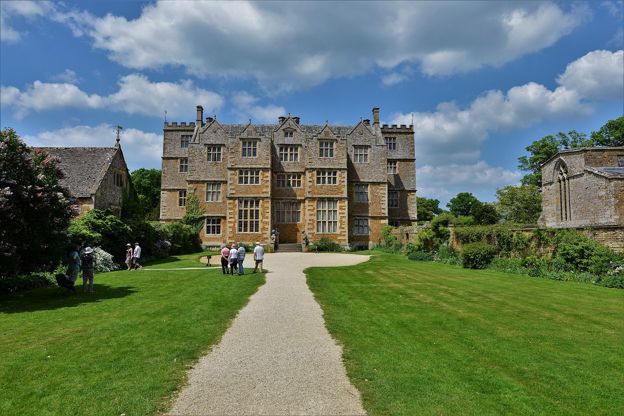
Chastleton House, near Moreton-in-Marsh, was built in the early seventeenth century for Walter Jones, a wool merchant from Witney, on land he bought from Robert Catesby, whose part in the Gunpowder Plot came three years later. Family tradition holds that Walter's grandson Arthur Jones was a Royalist and paid heavily in fines for it.
The story goes that after Charles II's defeat at Worcester in 1651, Arthur rode home with Parliament's cavalry close behind and hid in a secret room, and that his wife Sarah put laudanum in the troopers' ale so that he could slip away while they slept. It comes down as family tradition, and no record of the night has been found. The National Trust opens the house in the afternoons on set days, and the approach is from the A436 rather than through the village.
Mentioned in this story
The places, sights and walks in this story, each with a page of its own: what it is, when to go and how to get there.
-
Chastleton House
Historic houses and heritage · Moreton-in-Marsh
-
Corinium Museum
Museums and galleries · Cirencester
-
St Edward's Church, Stow-on-the-Wold
Sight · Church · Stow-on-the-Wold
-
Market cross, Stow-on-the-Wold
Sight · Monument · Stow-on-the-Wold
-
St John the Baptist, Burford
Sight · Church · Burford
-
Beverston Castle
Sight · Castle or ruin · Tetbury
-
St Mary's Church, Painswick
Sight · Church · Painswick
-
Stow-on-the-Wold and Maugersbury
Walk · Starts in Stow-on-the-Wold · 2 hrs · Circular
-
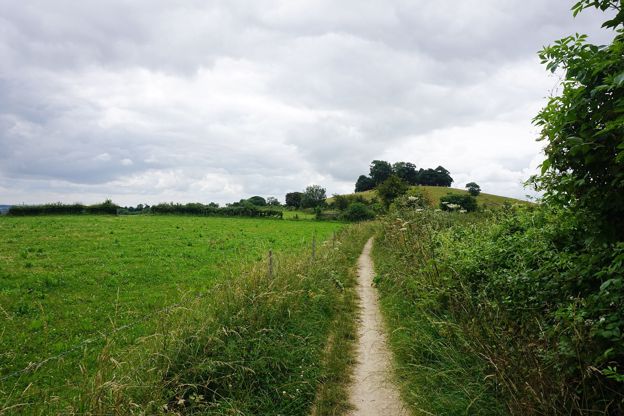
Cotswold Way: Cold Ashton to Bath
Walk · Starts in Marshfield · 6 hrs · Dog-friendly
-
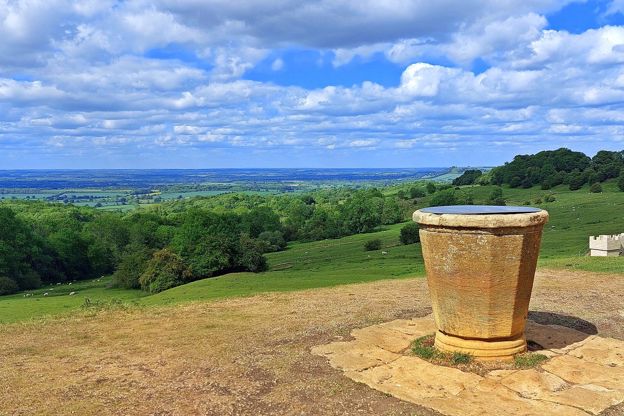
Chipping Campden and Dover's Hill
Walk · Starts in Chipping Campden · 3 hrs, 30 mins · Circular
Places to stay near Stow-on-the-Wold
-
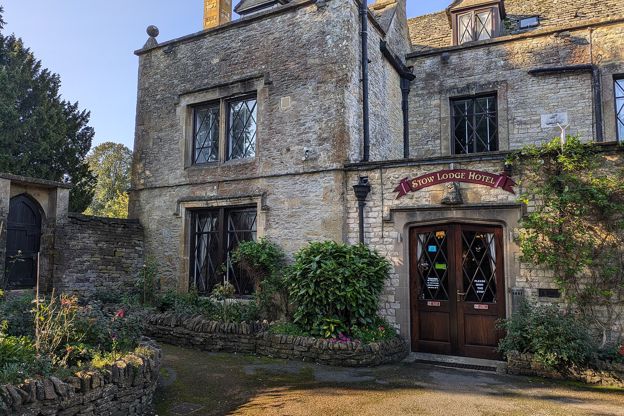
Stow Lodge Hotel
Hotel · Stow-on-the-Wold
A family-run hotel with 20 rooms in Stow's former rectory of 1763 on the Square, with a restaurant, a bar, gardens and a private car park; no pets.
Verified Oct 2026
-
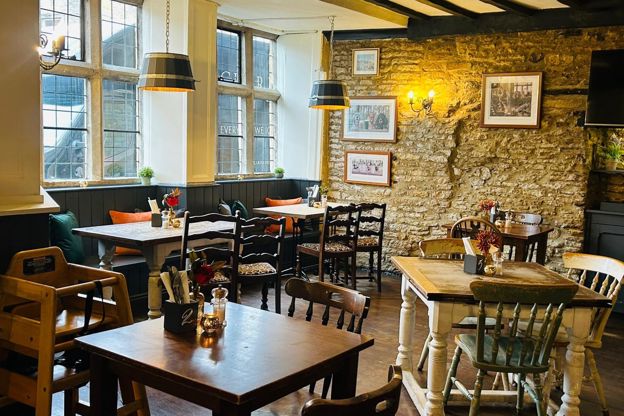
The Kings Arms, Stow
Inn · Stow-on-the-Wold
A former coaching inn on Stow's Market Square with ten rooms, three of them split-level stable rooms, a restaurant and its own parking.
Dog-friendly
Verified Oct 2026
-

The Old Stocks Inn
Inn · Stow-on-the-Wold
A seventeenth-century coaching inn on the Square at Stow-on-the-Wold, with 16 rooms and a restaurant with two AA Rosettes.
Dog-friendly
Verified Oct 2026
Read next
-
Robert Catesby, Chastleton and the Gunpowder Plot
Story · Strange Things · 4 minute read
The leader of the Gunpowder Plot, Robert Catesby, lived at Chastleton on the Oxfordshire edge of the Cotswolds before selling it in 1602, three years before the plot.
-
The Fosse Way through the Cotswolds
Story · History · 8 minute read
The Roman road from Exeter to Lincoln through the Cotswolds: its line by Cirencester, Northleach, Stow, Moreton and Stretton-on-Fosse, where it is the A429 and where a green lane, the Saltway and the roads that cross it, the towns it made, and walks on it.
-
The Campden Wonder
Story · Strange Things · 4 minute read
In 1660 a Chipping Campden steward vanished and three people were hanged for his murder. Two years later he came home, with a tale of Turkish slavery.