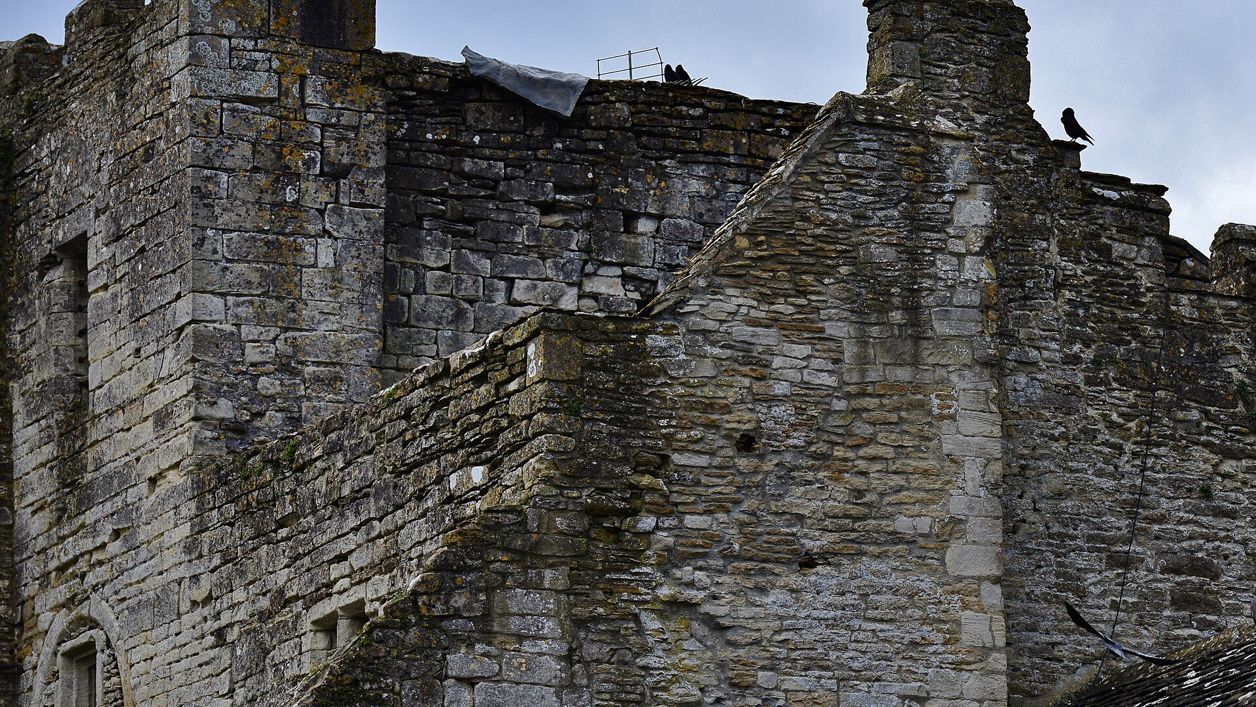
Michael Garlick, CC BY-SA 2.0, via Wikimedia Commons
Beverston Castle
The ruin of a thirteenth-century castle at Beverston, west of Tetbury, built by Maurice de Gaunt and enlarged by the Berkeleys, twice besieged in 1644 and now part of a private house, its gatehouse, towers and moat seen from the lane and churchyard.
Castle or ruin
TetburyBeverston Castle stands beside the church in Beverston, a village on the A4135 about 2 miles (3km) west of Tetbury. Maurice de Gaunt built it as a fortified manor house in about 1225, and the Berkeleys made it a castle; what survives, its towers, chapel and gatehouse, is listed Grade I and is part of a private house.
History
Beverston was important before there was a stone castle. The Parks and Gardens record says Earl Godwin occupied an Anglo-Saxon castle here in 1051, probably built of timber.
Gaunts and Berkeleys
In about 1225 Maurice de Gaunt built the stone house whose west range still stands, and in about 1350 to 1360 Thomas, third Lord Berkeley, enlarged it with a new gatehouse, a portcullis and a drawbridge over the moat, and a tower holding a chapel. The listing describes a rectangular courtyard with drum towers at the corners inside a moat, of which only the west and south sides remain. The Berkeleys sold Beverston in 1597.
The Civil War and after
Sir Michael Hicks bought the castle in 1612, and the Hicks family added a house along the south side. In 1644 Parliament's forces under Colonel Edward Massey, the governor of Gloucester, besieged it twice and took it, and it was badly damaged. After a fire in about 1691 the house was remodelled, and in the eighteenth century a bridge was built over the moat and a little gazebo on the terrace. The Hicks family sold the estate in 1842 to R S Holford of Westonbirt.
The garden
In 1939 Vice-Admiral Arthur Strutt and Mrs Strutt bought Beverston, and Mrs Strutt made much of the present garden across the moat: lawns, a herbaceous border and a walled kitchen garden. Major and Mrs Lawrence Rook, owners from 1959 to 2018, carried it on.
What to look for
From the lane and the churchyard you can see the gatehouse, which now stands on its own with the groove for its portcullis still in the arch, and the towers of the west range. The listing describes what lies within:
- The thirteenth-century west range, with a four-bay vaulted undercroft and a great chamber above
- The embattled south-west tower, with Thomas Berkeley's chapel on its first floor: a vault with carved bosses, carved seats for the priests, and the remains of an east window whose tracery matches the east window of St Mary's church next door
- The square north-west tower of the fifteenth century, with a fireplace and a latrine on each upper floor
- The seventeenth-century house of the Hickses along the south side, and the gazebo and the bridge over the moat
Visiting
Beverston Castle is private and lived in, so look from the lane and from the churchyard of St Mary's, which gives the best view of the gatehouse and towers. The Parks and Gardens record says the gardens open occasionally under the National Garden Scheme; check the scheme's website for any dates.
Getting there
Beverston is on the A4135 between Tetbury and Dursley, about 2 miles west of Tetbury. There is no public car park; park considerately by the church. None of our walks passes the castle.
Nearby
St Mary's Church is next door, with the Berkeleys' work in its chapel and east window. Calcot Manor, a hotel with a restaurant, is about 2.5km away by road, and Tetbury, with St Mary's and its Market House, is a few minutes' drive east. The Holfords, who bought the castle in 1842, have their monuments at St Catherine's, Westonbirt. Our story on the country houses and castles of the Cotswolds has more like it.
Stay and eat near Beverston Castle
-
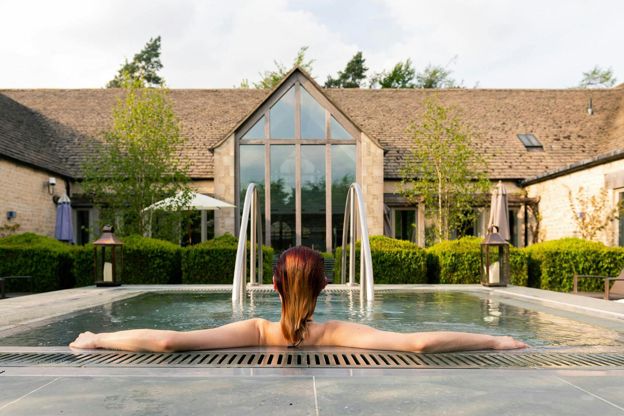
Calcot Manor and Spa
Hotel · Tetbury
A hotel and spa on a 220-acre estate near Tetbury, with family suites, a cottage and treehouses among its rooms.
Family-friendly
Verified Nov 2026
-
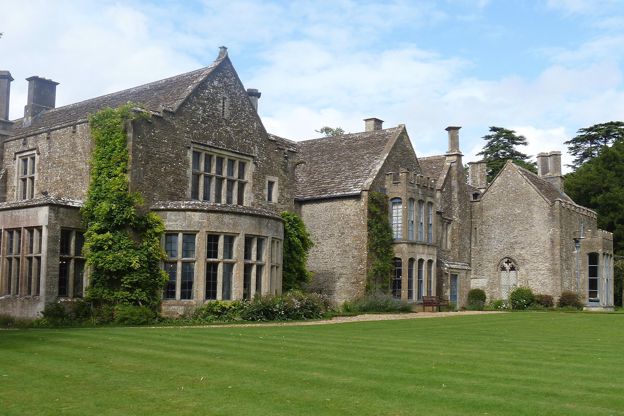
Chavenage House
Historic houses and heritage · Tetbury
An Elizabethan manor near Tetbury, finished by 1576 and home of the Lowsley-Williams family since 1891, known on screen as Trenwith in Poldark. Visits by reservation only, and few in 2026 because of filming.
Verified Nov 2026
-
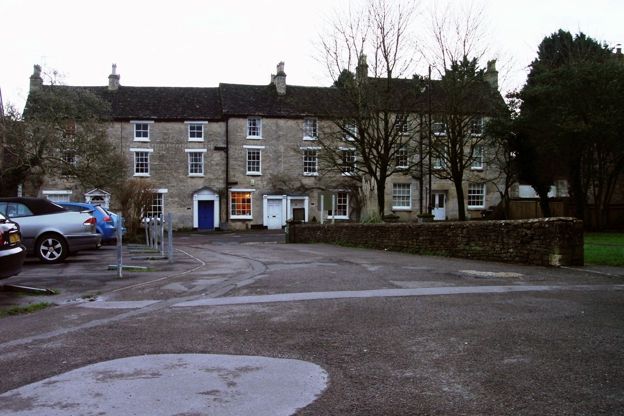
Angel Cottage
Self-catering · Tetbury
A holiday cottage for two on New Church Street in the middle of Tetbury, for short breaks or weekly stays.
Verified Nov 2026
Stories about Beverston Castle
-
Country houses and castles of the Cotswolds
Story · Guides · 11 minute read
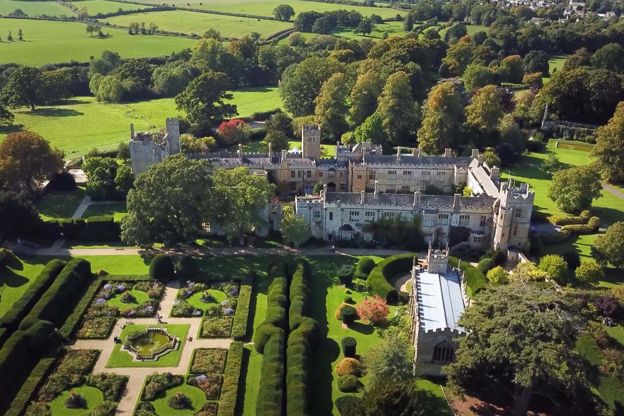
Blenheim, Sudeley, Berkeley, Snowshill, Chastleton, Stanway, Kelmscott, Rodmarton, Dyrham, Lacock and the ruins: the Cotswolds' great houses and castles, who built them, when they open, and which suit children, gardeners or a day by train.
-
Poldark at Chavenage House: visiting Trenwith
Story · Guides · 5 minute read
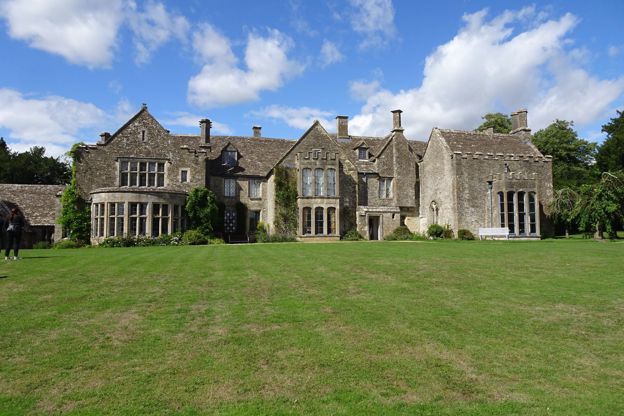
Chavenage House near Tetbury played Trenwith in the BBC's Poldark: which rooms you see on screen, the other dramas the house names, its Civil War ghost, and how to book a tour while filming limits the dates.
-
The Civil War in the Cotswolds
Story · History · 9 minute read
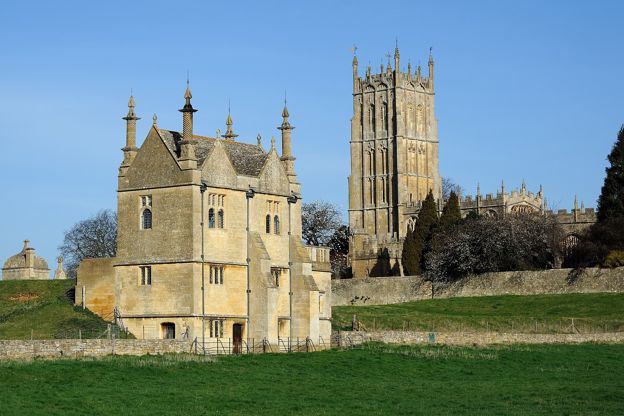
The storming of Cirencester and the battle of Lansdown in 1643, Sudeley Castle besieged and slighted, Campden House burned, the last battle of the first war at Stow in 1646, the Levellers at Burford and Chastleton's hidden Royalist, with where to see each.
More sights to see
-
St Mary's Church, Beverston
Sight · Church · Tetbury
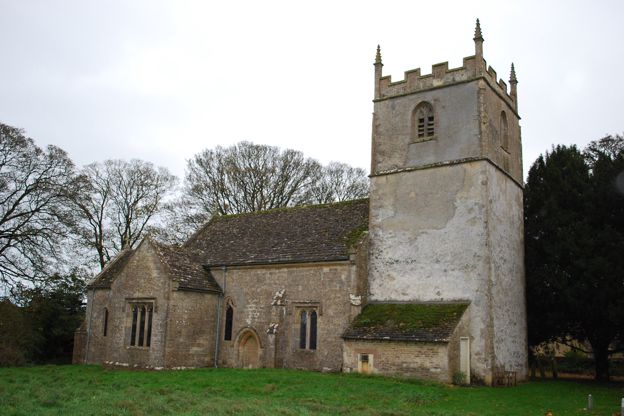
Beverston's parish church beside the castle, west of Tetbury: a Norman church on a probably Saxon site, extended by the Berkeleys in 1361, with a pre-Conquest carving of Christ on the tower, a Tudor stone pulpit and a fifteenth-century screen. Grade II*.
-
St Catherine's Church, Westonbirt
Sight · Church · Tetbury
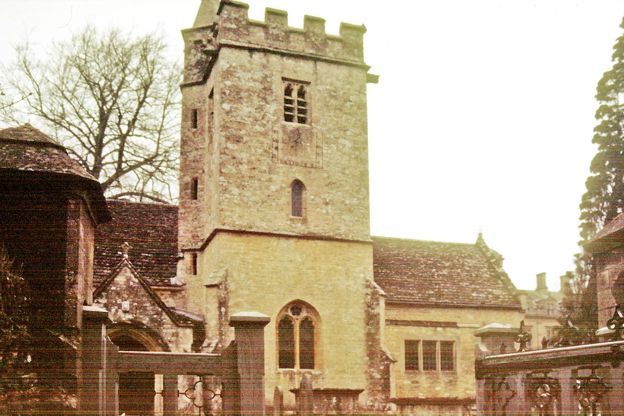
The former parish church of Westonbirt, south-west of Tetbury, now in the grounds of Westonbirt School beside the Holfords' great house: twelfth to fifteenth century, with Holford monuments including the effigy of Robert Stayner Holford, who began the arboretum.
-
St Mary the Virgin, Tetbury
Sight · Church · Tetbury
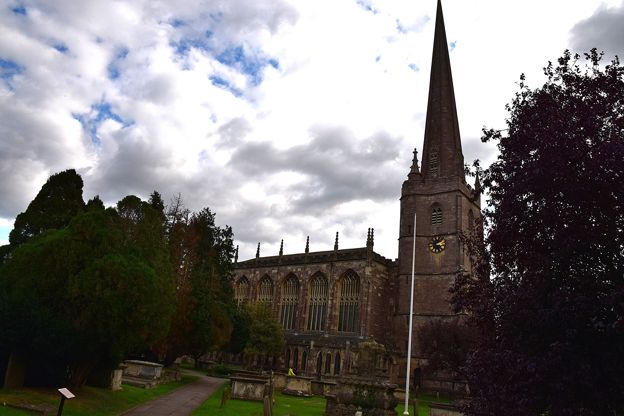
Tetbury's parish church, rebuilt in 1777 to 1781 by Francis Hiorn as a tall Gothick hall with wooden clustered columns, box pews and side passages, under a medieval tower and spire rebuilt in the 1890s. Grade I; open every day.