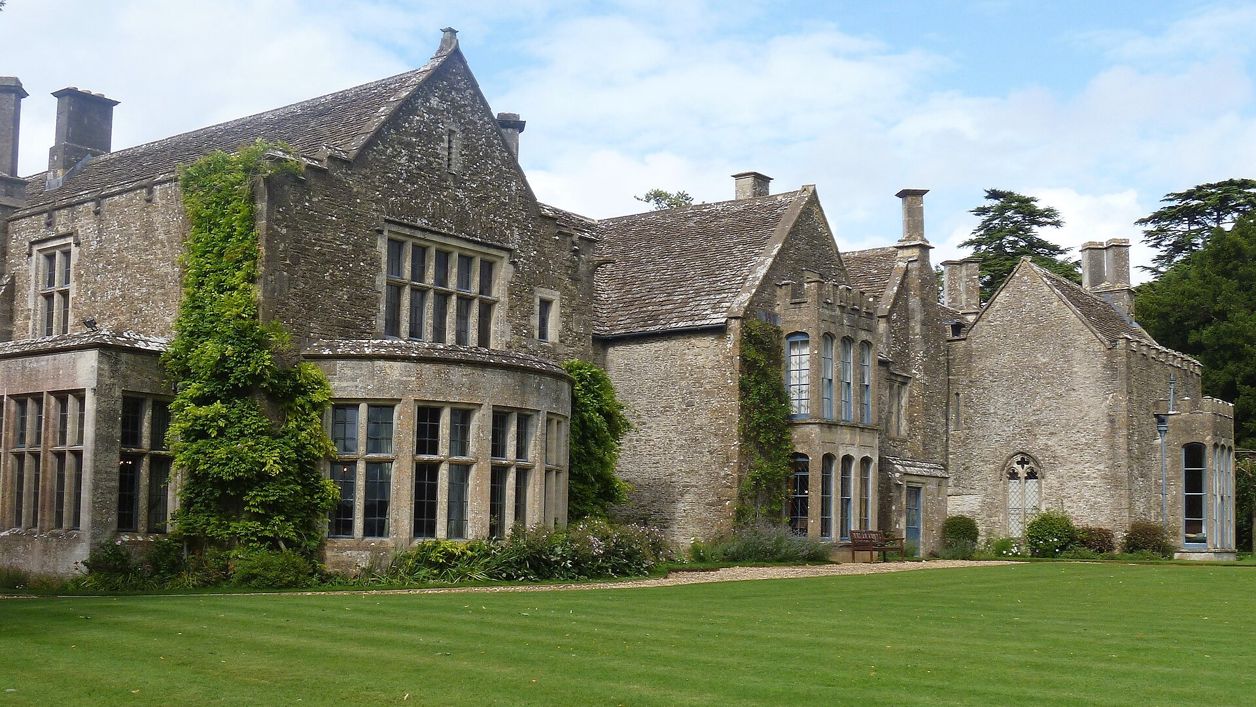
Michael Dibb, CC BY-SA 2.0, via Wikimedia Commons
Things to do · Tetbury
Chavenage House
An Elizabethan manor near Tetbury, finished by 1576 and home of the Lowsley-Williams family since 1891, known on screen as Trenwith in Poldark. Visits by reservation only, and few in 2026 because of filming.
A lived-in Elizabethan house with a ghost story and a television career. Visiting takes planning: tours are by reservation only, and filming left few chances in 2026. Not for wheelchair users.
- Good: Join a booked group from £12 an adult and £6 a child
- Good: Private tours for any size of party, from £250
- Worth knowing: Visits by reservation only; few in 2026 because of filming
- Worth knowing: No wheelchair access; steps and uneven floors throughout
- Worth knowing: £5 admin charge to join a booked group
About
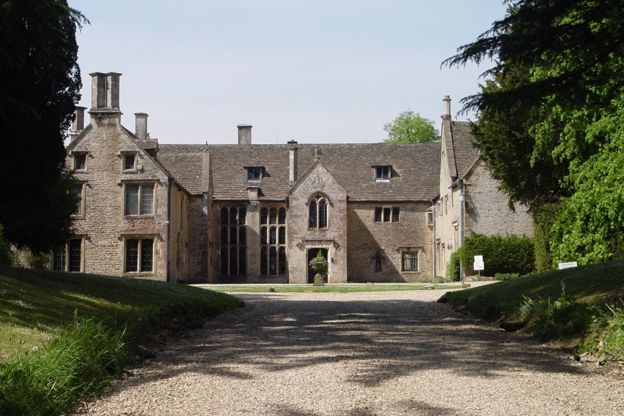
Chavenage House is an Elizabethan manor about 2 miles (3km) north-west of Tetbury. Edward Stephens rebuilt it, and it was finished by 1576, the date carved over the door with his and his wife Joan's initials; parts may be older. The Lowsley-Williams family have been at Chavenage since 1891, and the house stands on an estate of 2,000 acres.
Television made it famous: the house played Trenwith, the Poldark family's home, in Poldark, and filming still shapes its diary. It also carries one of the county's best ghost stories. Legend says Nathaniel Stephens, who sided with Parliament against Charles I, was cursed by his daughter and carried off from his funeral by a headless coachman; our piece on the ghost of Charles I tells it.
There are no open days. Visits are by reservation only and subject to availability, and the house's notice of 11 August 2026 warns of few chances to tour because of filming. Groups of 21 or more pay £12 a head; smaller parties pay a base rate of £250, or individuals can join a booked group at £12 an adult and £6 a child, plus a £5 admin charge (2026). Book through the office on 01666 504696. Every visit is a booked party, so you never share the rooms with a crowd.
There is no wheelchair access, with steps and uneven floors throughout. Our guide to Cotswold houses and castles has the houses nearby that open more often, and Westonbirt Arboretum is a short drive south.
Opening hours and season
No regular opening. Visits by reservation only, subject to availability; the house's notice of 11 August 2026 warns of limited tours because of filming.
Facilities
- No wheelchair accessSteps and uneven floors throughout the house
The details
- Features
- Guided tours
- History
- Finished by 1576 for Edward Stephens; Lowsley-Williams family since 1891
- Without a car
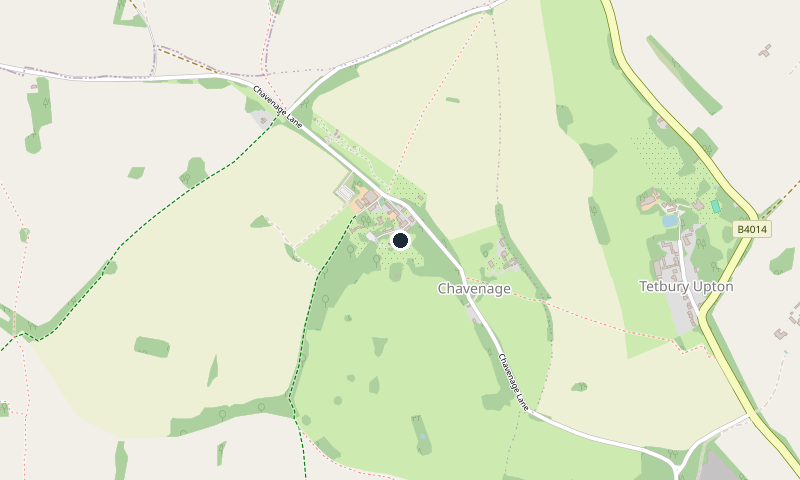
- Bus 620 stops at Chavenage Green on the B4014, a mile up the lane, six or seven times a day Monday to Saturday (no Sunday buses). Stroud and Kemble stations are 9 to 10 miles by road.
Photos
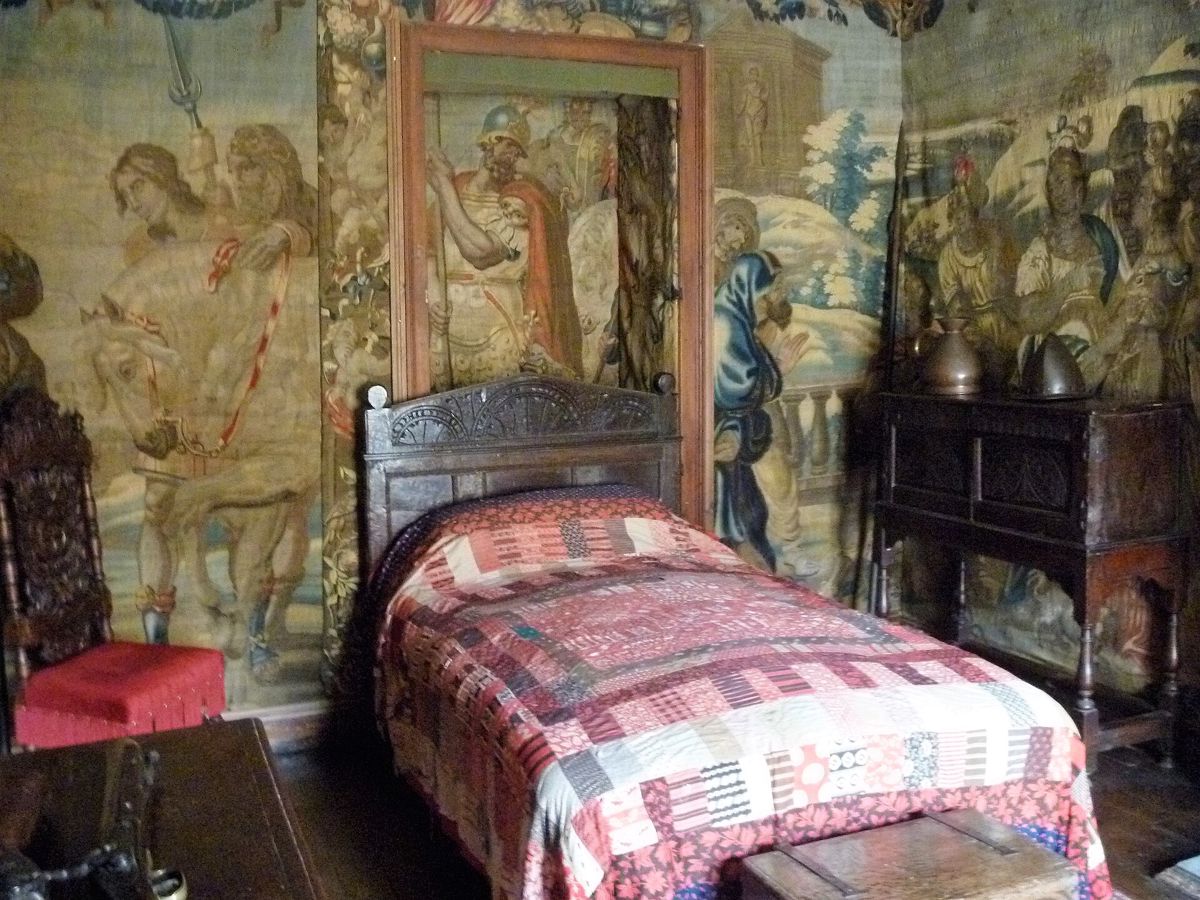
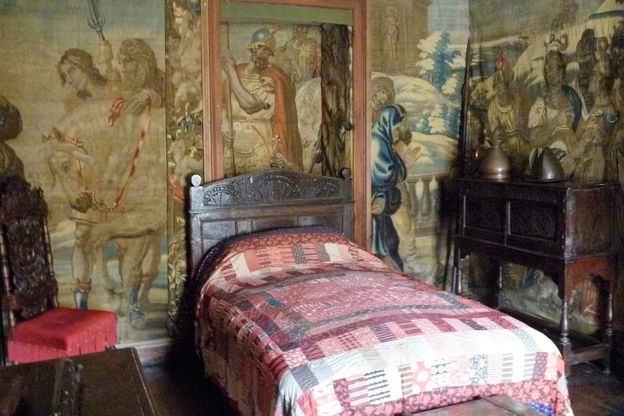
A bedroom hung with old wall hangings Photo: Michael Dibb, CC BY-SA 2.0, via Wikimedia Commons 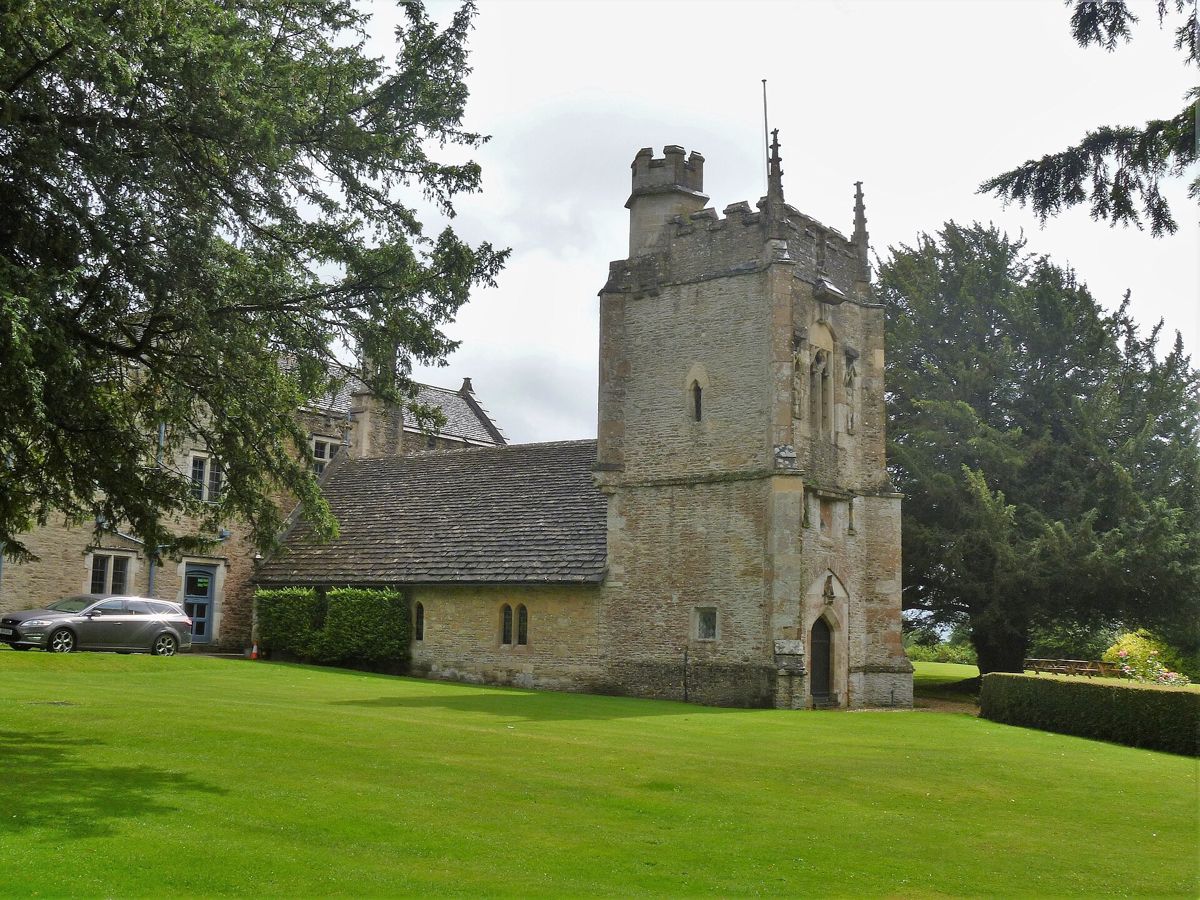
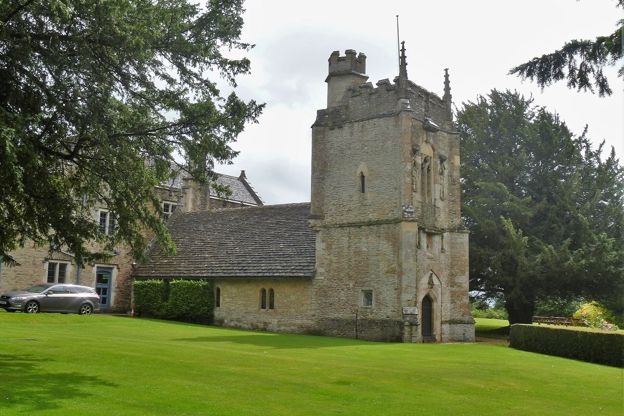
The chapel Photo: Michael Dibb, CC BY-SA 2.0, via Wikimedia Commons 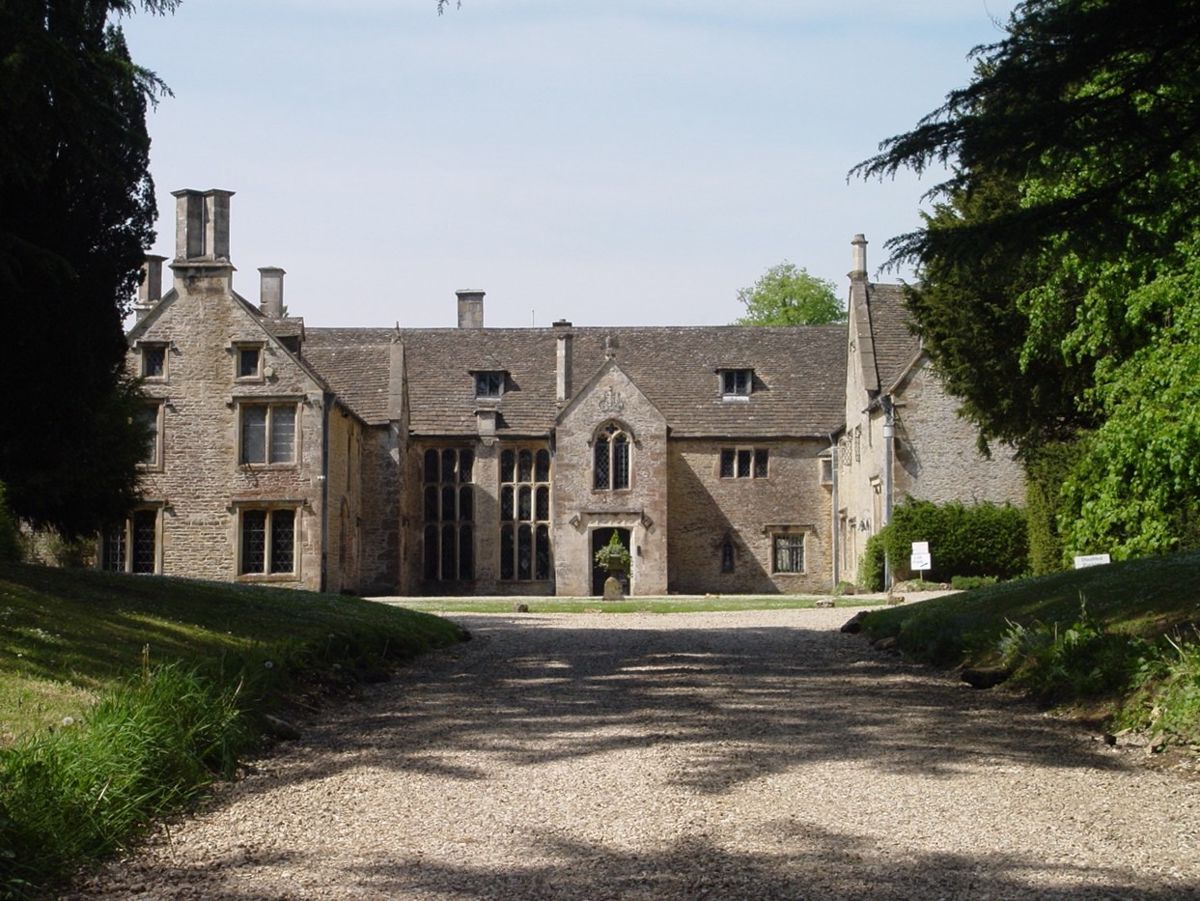
The house from the drive Photo: Paul Best, CC BY-SA 2.0, via Wikimedia Commons 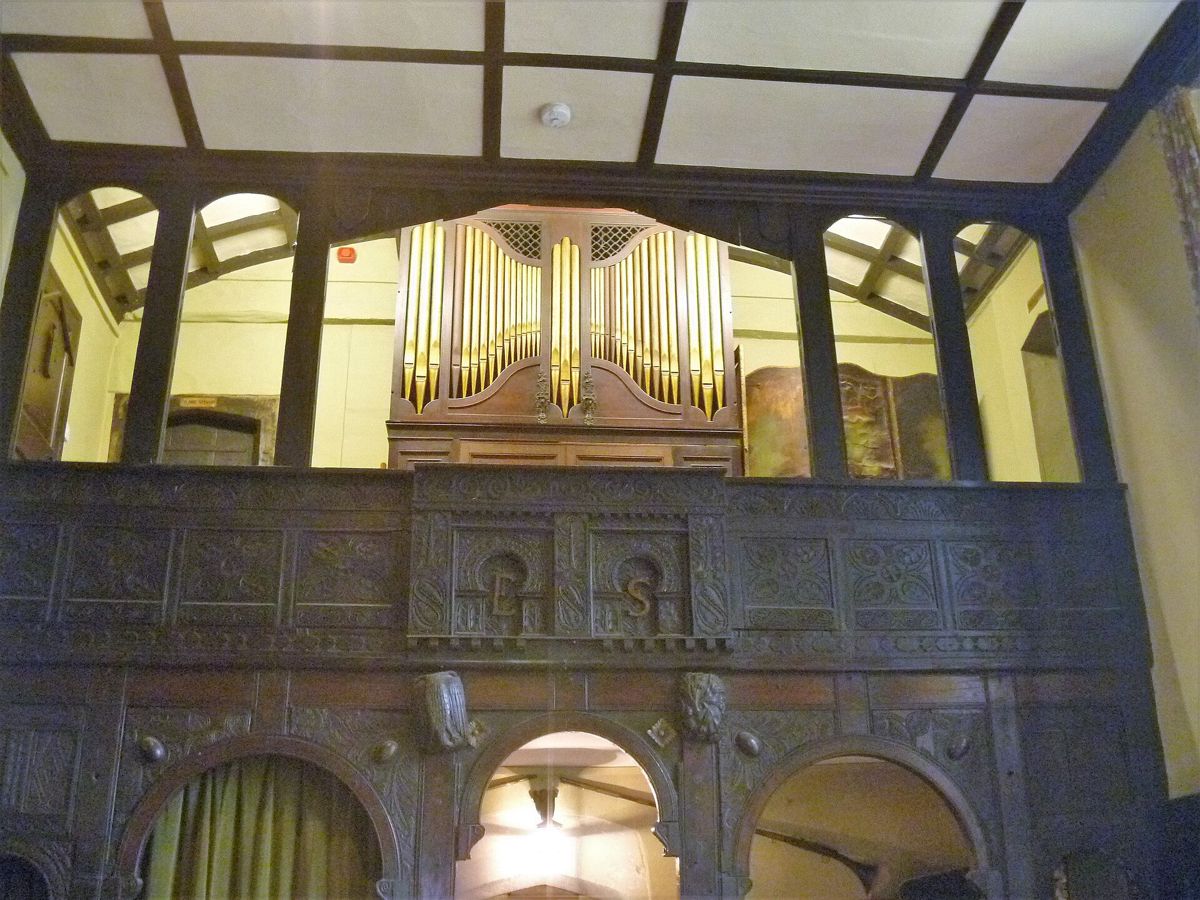
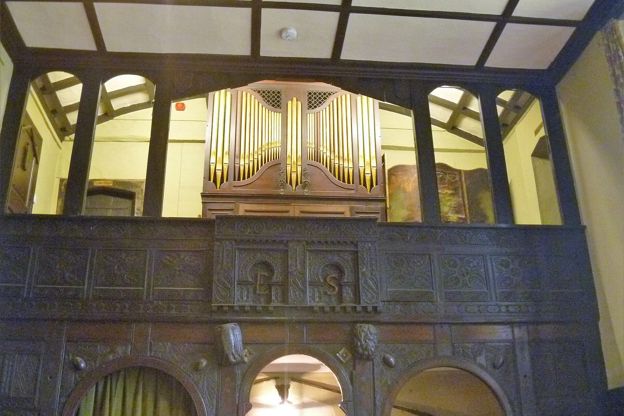
The great hall gallery Photo: Michael Dibb, CC BY-SA 2.0, via Wikimedia Commons
Location
Places to stay nearby
-
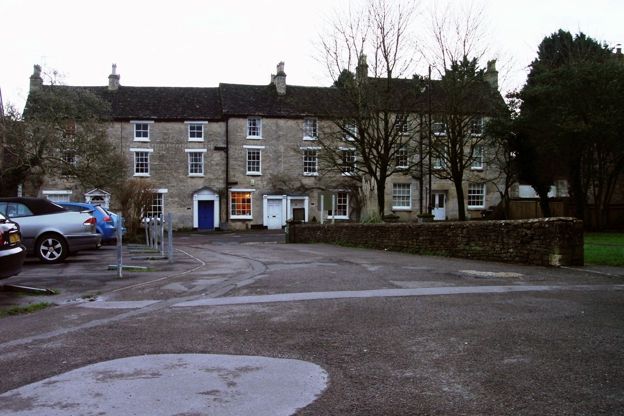
Angel Cottage
Self-catering · Tetbury
A holiday cottage for two on New Church Street in the middle of Tetbury, for short breaks or weekly stays.
Verified Nov 2026
-
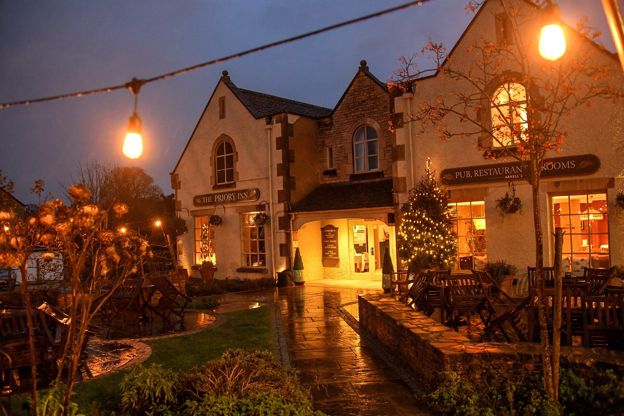
The Priory Inn
Inn · Tetbury
An Arkell's pub with 14 en-suite rooms, including a large family room, on London Road, Tetbury, with an EV charger in the car park.
EV charging · Family-friendly
Verified Nov 2026
-
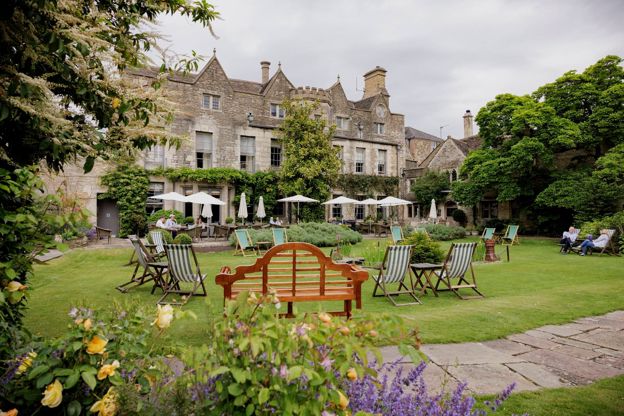
The Close Hotel
Hotel · Tetbury
A hotel on Long Street, Tetbury, set back from the street, part of Cotswold Inns and Hotels, with dogs welcome.
Dog-friendly · EV charging
Verified Nov 2026
Nearby walks, places and things to do
- Angel Cottage 2.5 km away
- The Priory Inn 2.5 km away
- The Gilbertine Kitchen 2.6 km away
- The Close Hotel 2.6 km away
Sights nearby
-
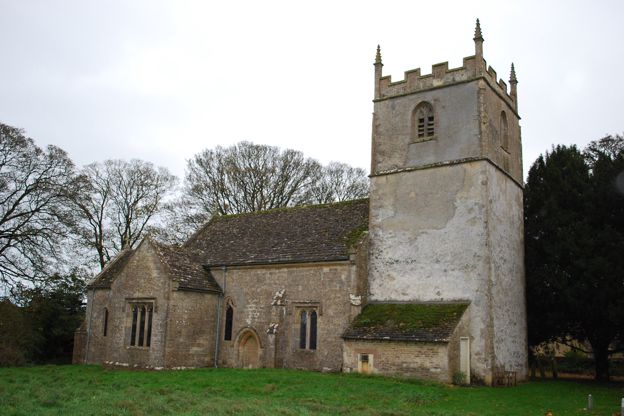
St Mary's Church, Beverston
Sight · Church · Tetbury
Beverston's parish church beside the castle, west of Tetbury: a Norman church on a probably Saxon site, extended by the Berkeleys in 1361, with a pre-Conquest carving of Christ on the tower, a Tudor stone pulpit and a fifteenth-century screen. Grade II*.
-
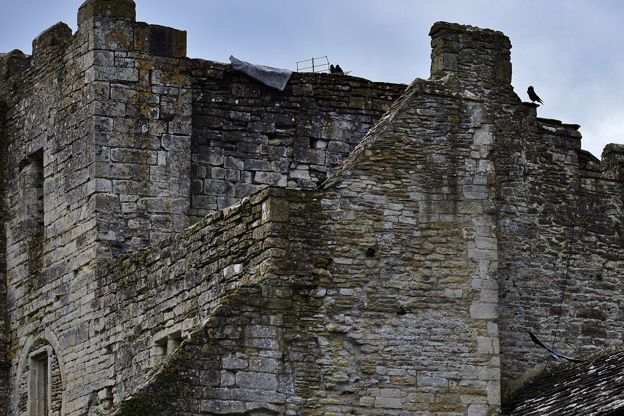
Beverston Castle
Sight · Castle or ruin · Tetbury
The ruin of a thirteenth-century castle at Beverston, west of Tetbury, built by Maurice de Gaunt and enlarged by the Berkeleys, twice besieged in 1644 and now part of a private house, its gatehouse, towers and moat seen from the lane and churchyard.
-
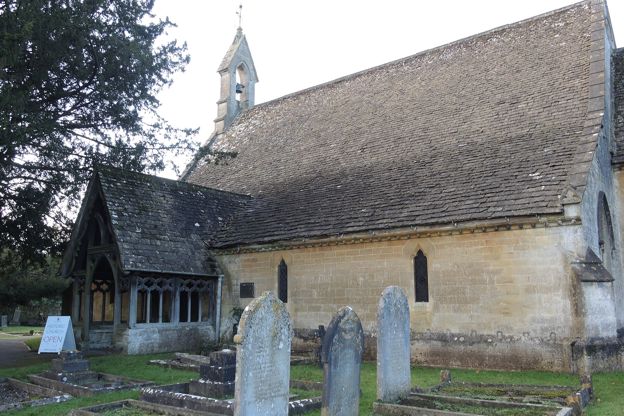
St Saviour's Church, Tetbury
Sight · Church · Tetbury
A Victorian chapel of ease of 1848 on New Church Street, Tetbury, built for the poor who could not pay for pews at St Mary's and furnished with help from Pugin and Hardman; now cared for by the Churches Conservation Trust and open Monday to Saturday.
-
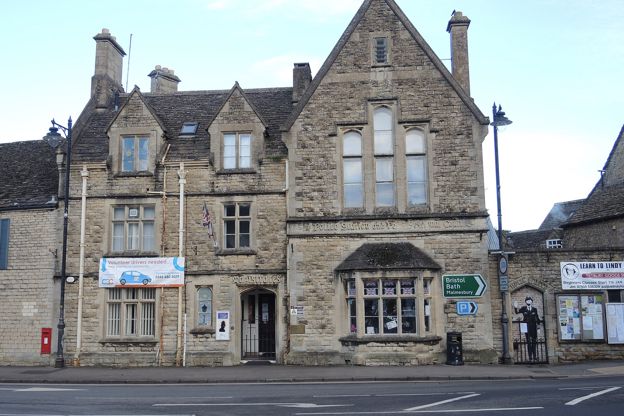
Old police station and court, Tetbury
Sight · Historic building · Tetbury
Tetbury's police station and magistrates' court of 1884 on Long Street, with its cells and courtroom intact, now the town council offices and a free police museum holding what the council calls the largest collection of British handcuffs and restraints on public view.