Neil Owen, CC BY-SA 2.0, via Wikimedia Commons
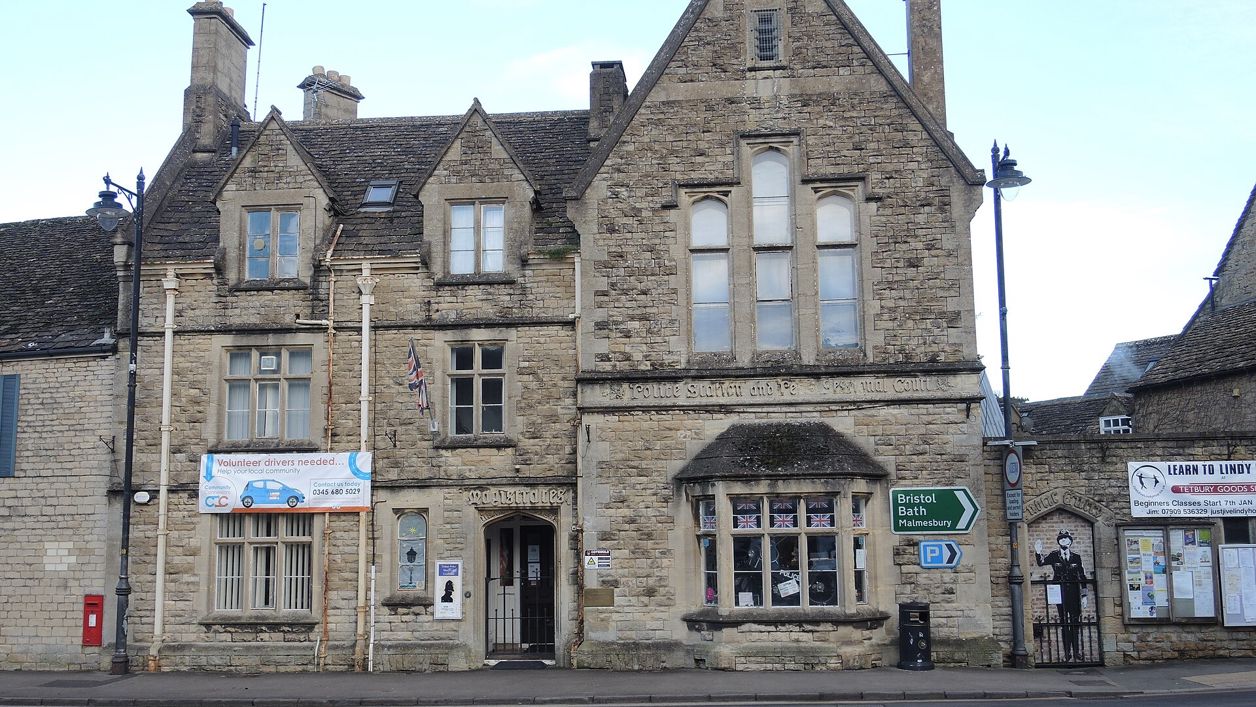
Old police station and court, Tetbury
Tetbury's police station and magistrates' court of 1884 on Long Street, with its cells and courtroom intact, now the town council offices and a free police museum holding what the council calls the largest collection of British handcuffs and restraints on public view.
Historic building
TetburyThe old police station and court on Long Street in Tetbury was built in 1883 to 1884 as the town's police station and petty sessions court, and it still has its cells and its courtroom. Today it holds the town council's offices and the Tetbury Police Museum, which is free to visit. It is listed Grade II.
History
The building is one of a family. After the Municipal Corporations Act of 1835, counties began to build combined police stations and magistrates' courts, and Gloucestershire built 16 between 1858 and 1909, which Historic England calls the most comprehensive programme of its kind. James Medland, the county surveyor, started the programme and designed Tetbury's, finished in 1884, the year carved over its door. The Gloucestershire Constabulary itself had been founded in 1839.
Before it was built, the Market House served as the town's lock-up, according to its Heritage Open Days listing. The magistrates' court moved to Cirencester in 1969, and the police left for a new station on London Road by 1974. Tetbury Town Council bought the building in 1979; the council says it did so to preserve the town's heritage while giving it a public office, which it still is, and in 2007 the Alex Nichols Collection of handcuffs and restraints moved here from the Galleries of Justice in Nottingham. The police have since opened an office again in the old magistrates' retiring room.
What to see
The front tells you what it was. Gothic lettering reads Police Station and Petty Sessional Court, with Magistrates over one doorway, Public Entry over another and Guard Room at the side, and an outside stair gave the public its own way up to the court. The listing points out:
- The police station in the left-hand range, with more police accommodation on the floors above
- The cross-wing, with the guard room and three cells on the ground floor, which the town council calls extremely secure
- The double-height courtroom above, lit by a tall stepped window, with the magistrates' raised bench, the dock, the witness stand and a side fireplace under an arch-braced roof
- Geometric floor tiles in the hall and porch, and the original panelled doors
The museum tells the story of the Gloucestershire Constabulary through photographs and equipment, including a copy of a petition from the people of Compton Greenfield against having a police force at all, and a portrait of the first chief constable, Anthony Thomas Lefroy. The Alex Nichols Collection is, the council says, the largest collection of British handcuffs and restraints on public view in the country, and in the courtroom models set out a hearing as it would have looked in the late 1940s or early 1950s.
Visiting
The museum is free and open Monday to Saturday from 10am to 3pm. Volunteers give free tours on Wednesdays and Fridays, 11am to 3pm, and groups and schools can book other times through the museum or the town council (01666 504670). The museum and cells are on the ground floor, where ramps can be supplied; the courtroom and the toilet are on the first floor, which the museum says is reached only by stairs. Children are welcome with an adult.
Getting there
The building is at 63 Long Street (GL8 8AA), near St Saviour's at the far end of Long Street from the Market Place, about five minutes' walk. Buses link Tetbury with Cirencester, Kemble station, Stroud and Bath on weekdays and Saturdays, and the free Old Railyard car park is a few minutes away. The Tetbury town walk passes it just before St Saviour's.
Nearby
St Saviour's Church is just round the corner on New Church Street, and the Market House is at the other end of Long Street. The Priory Inn and the Gilbertine Kitchen are close for lunch.
Walks past Old police station and court, Tetbury
-
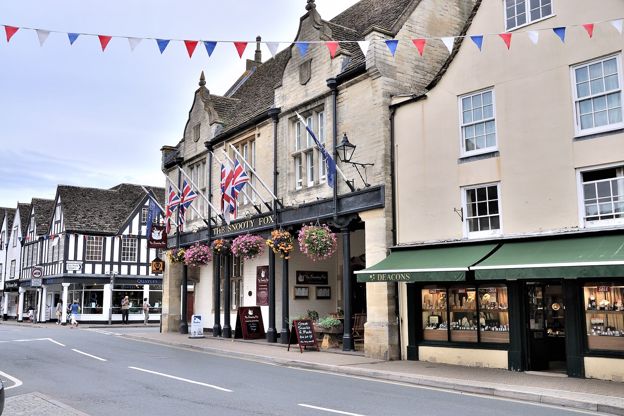
Tetbury town walk
Walk · Starts in Tetbury · 45 mins · Circular
A 1.7-mile (2.7km) easy loop round Tetbury from the Old Railyard car park, about 45 minutes on paved paths: St Saviour's and the old police court, the packhorse bridge at Cutwell, Bath Bridge, St Mary's, the Market House and back along the old railway to the Goods Shed.
-
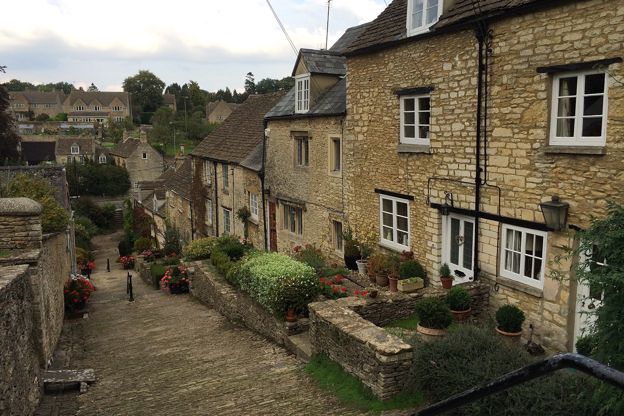
Tetbury and Ashley
Walk · Starts in Tetbury · 3 hrs · Circular
A 6.5-mile (10.5km) moderate circular walk of about three hours from Tetbury's Goods Shed, with stiles: along the old railway line, over the fields to Ashley and its Norman church, and back on the Monarch's Way past a brick pillbox, walking towards the town's spire.
Stay and eat near Old police station and court, Tetbury
-
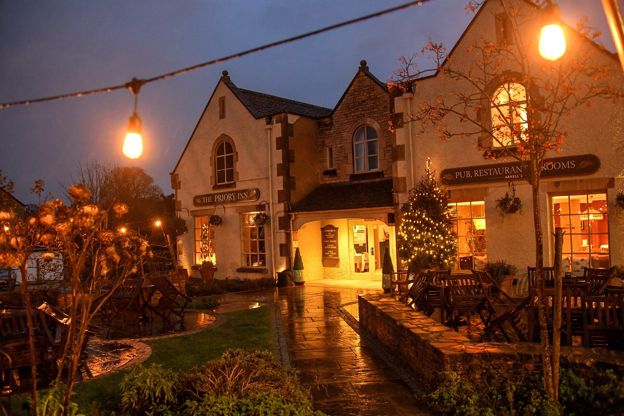
The Priory Inn
Inn · Tetbury
An Arkell's pub with 14 en-suite rooms, including a large family room, on London Road, Tetbury, with an EV charger in the car park.
EV charging · Family-friendly
Verified Nov 2026
-
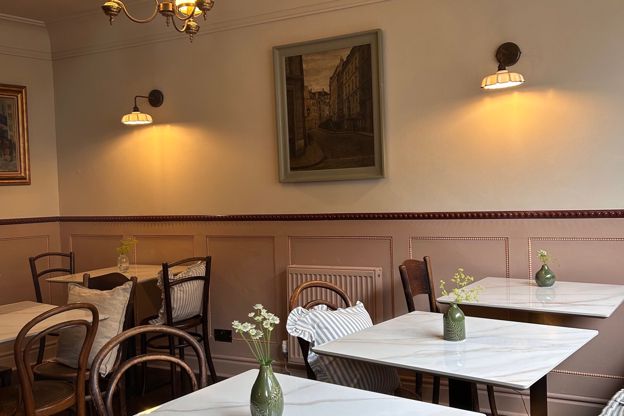
The Gilbertine Kitchen
Cafes and tearooms · Tetbury
A café on Long Street, Tetbury, for breakfast and lunch from Wednesday to Sunday, with guest-chef and pop-up evenings.
Verified Nov 2026
-
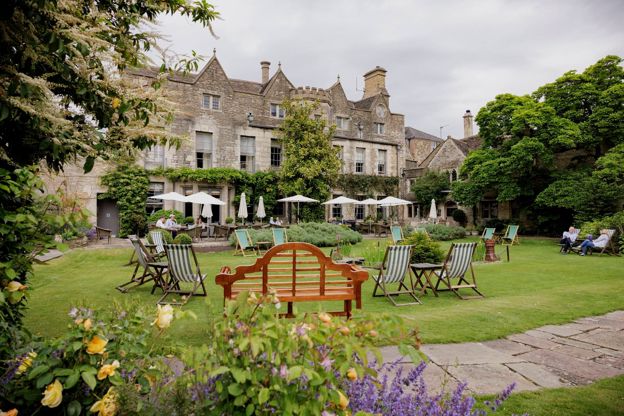
The Close Hotel
Hotel · Tetbury
A hotel on Long Street, Tetbury, set back from the street, part of Cotswold Inns and Hotels, with dogs welcome.
Dog-friendly · EV charging
Verified Nov 2026
More sights to see
-
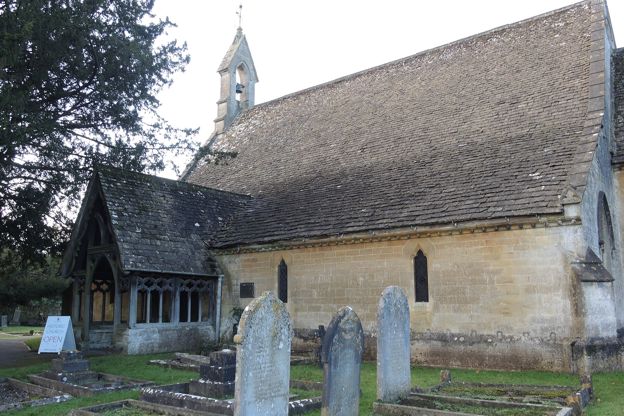
St Saviour's Church, Tetbury
Sight · Church · Tetbury
A Victorian chapel of ease of 1848 on New Church Street, Tetbury, built for the poor who could not pay for pews at St Mary's and furnished with help from Pugin and Hardman; now cared for by the Churches Conservation Trust and open Monday to Saturday.
-
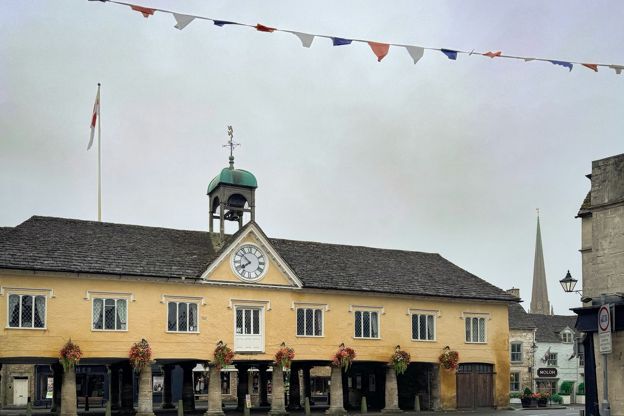
Market House, Tetbury
Sight · Historic building · Tetbury
Tetbury's pillared Market House of 1655 stands in the middle of the town: a timber-framed hall on three rows of stone columns, built and still owned by the Tetbury Feoffees, with a cupola, a dolphin weathervane and markets underneath every week. Grade I.
-
St Mary the Virgin, Tetbury
Sight · Church · Tetbury
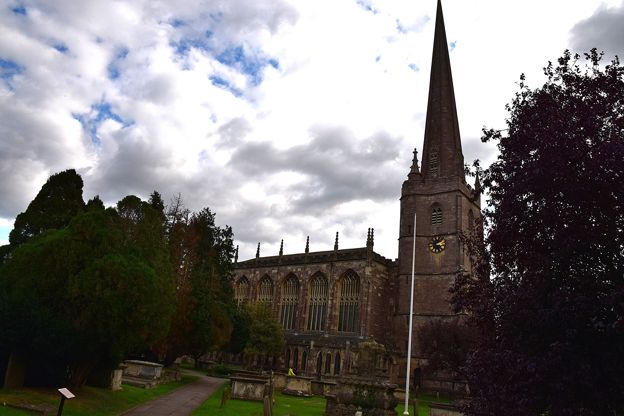
Tetbury's parish church, rebuilt in 1777 to 1781 by Francis Hiorn as a tall Gothick hall with wooden clustered columns, box pews and side passages, under a medieval tower and spire rebuilt in the 1890s. Grade I; open every day.