Robert Catesby, Chastleton and the Gunpowder Plot
Before he plotted to blow up Parliament, Robert Catesby was a Cotswold landowner. His house is gone, but the one built in its place survives almost unchanged.
· 4 minute read
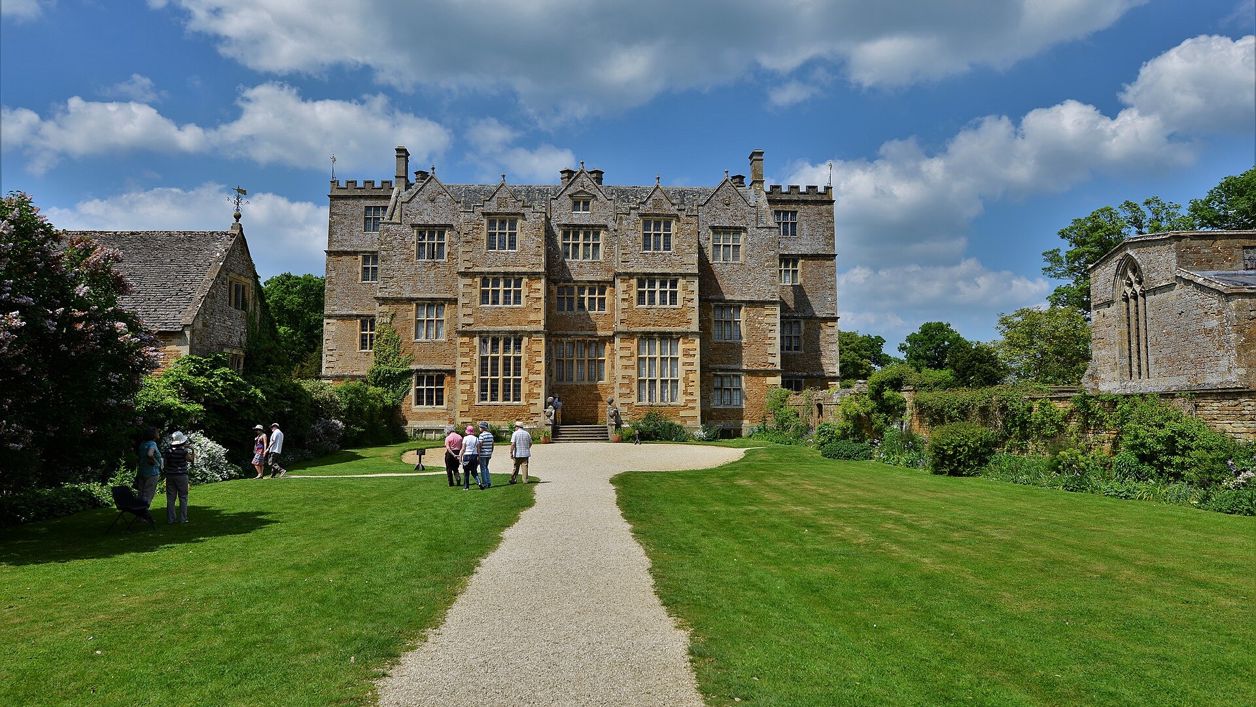
Robert Catesby, the leader of the Gunpowder Plot, inherited the estate at Chastleton, between Moreton-in-Marsh and Chipping Norton, when his grandmother died in 1593, and lived there with his family.
Selling Chastleton
Catesby had been at Oxford from 1586 and left without a degree, probably to avoid taking the Oath of Supremacy. After he joined the Earl of Essex's rising in 1601 he was fined 4,000 marks, and in 1602 he sold Chastleton to Walter Jones, a wool merchant from Witney. It is often said that he sold it to fund the plot, but the catalogue of the Chastleton estate papers (opens in a new tab) at the Oxfordshire History Centre gives his fines as another possible reason, and the sale came the year after his heavy fine, which may be the likelier reason.
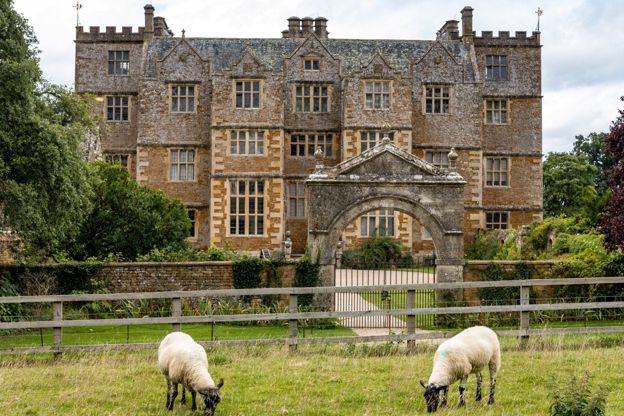
Chastleton House
Jones pulled down Catesby's house and built the present Chastleton House between 1607 and 1612. His family kept it until it passed to the National Trust (opens in a new tab) in 1991.
The Cotswolds Info newsletter
Events, new places and the best of the season, about once a month. Unsubscribe at any time.
The end of the plot
Catesby died on 8 November 1605 at Holbeche House in Staffordshire, when the sheriff's men besieged the surviving plotters. The National Trust's Coughton Court (opens in a new tab) in Warwickshire, well north of the Cotswolds, has its own Gunpowder Plot legend: that on 6 November 1605 Lady Digby and two Jesuit priests waited there for news.
Places to stay near Moreton-in-Marsh
-
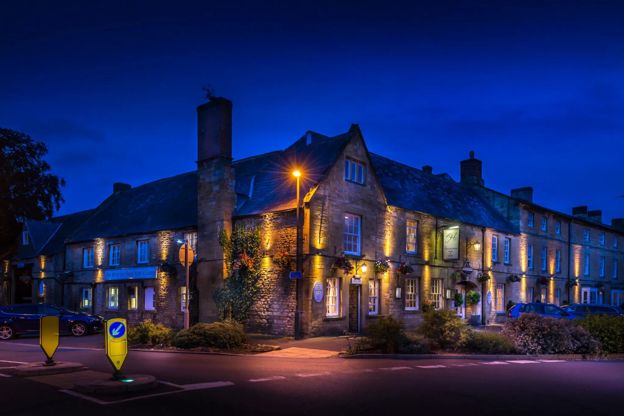
The White Hart Royal Hotel
Inn · Moreton-in-Marsh
An old coaching inn on Moreton-in-Marsh's High Street, where tradition says Charles I stayed, with a courtyard restaurant and accessible rooms.
Dog-friendly · Car-free · Wedding venues
Verified Oct 2026
-
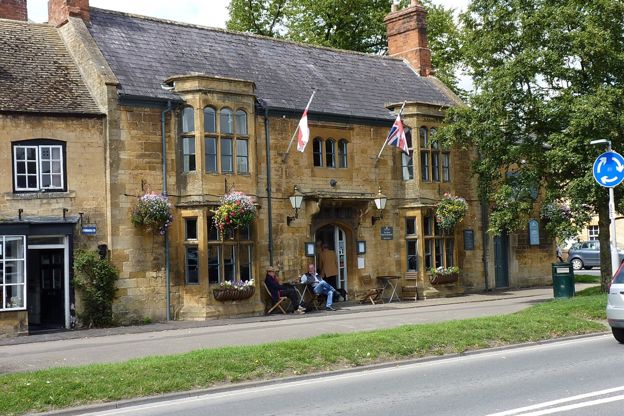
The Swan Inn, Moreton
Inn · Moreton-in-Marsh
An inn with eight rooms in a Grade II listed nineteenth-century building on Moreton-in-Marsh's High Street, with pub food five days a week.
Verified Oct 2026
-
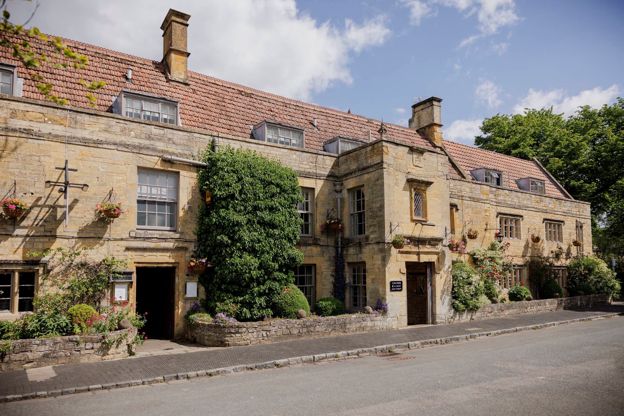
The Manor House
Hotel · Moreton-in-Marsh
A Grade II listed hotel on Moreton-in-Marsh's High Street with 34 bedrooms, a walled garden and a two-Rosette restaurant, dogs welcome.
Dog-friendly · Car-free · Wedding venues
Verified Nov 2026
Read next
-
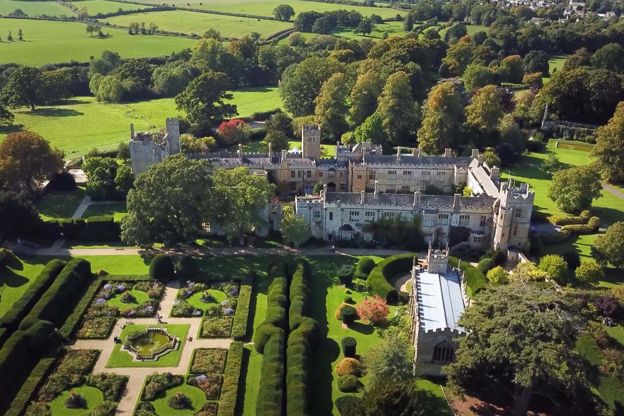
Country houses and castles of the Cotswolds
Story · Guides · 11 minute read
Blenheim, Sudeley, Berkeley, Snowshill, Chastleton, Stanway, Kelmscott, Rodmarton, Dyrham, Lacock and the ruins: the Cotswolds' great houses and castles, who built them, when they open, and which suit children, gardeners or a day by train.
-
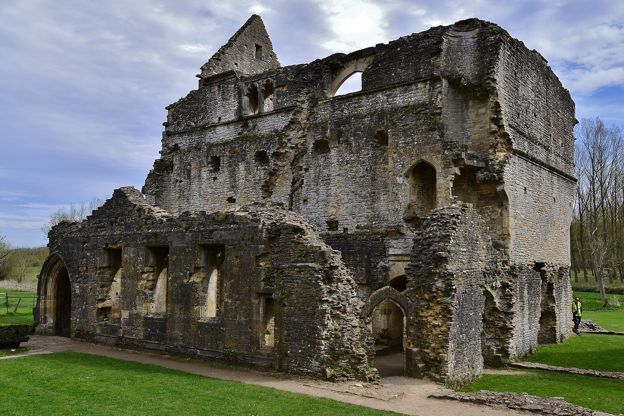
Three dooms at Minster Lovell Hall
Story · Strange Things · 5 minute read
The ruined hall on the Windrush at Minster Lovell, the lord who vanished after the battle of Stoke, a skeleton said to sit at a table, and a bride in a chest.
-
The Campden Wonder
Story · Strange Things · 4 minute read
In 1660 a Chipping Campden steward vanished and three people were hanged for his murder. Two years later he came home, with a tale of Turkish slavery.