The Cotswolds with a dog
The Cotswolds are walking country for dogs, and full of sheep. Here are the rules that matter, the walks and rivers worth the drive, and where your dog is welcome and where it is not.
· 11 minute read
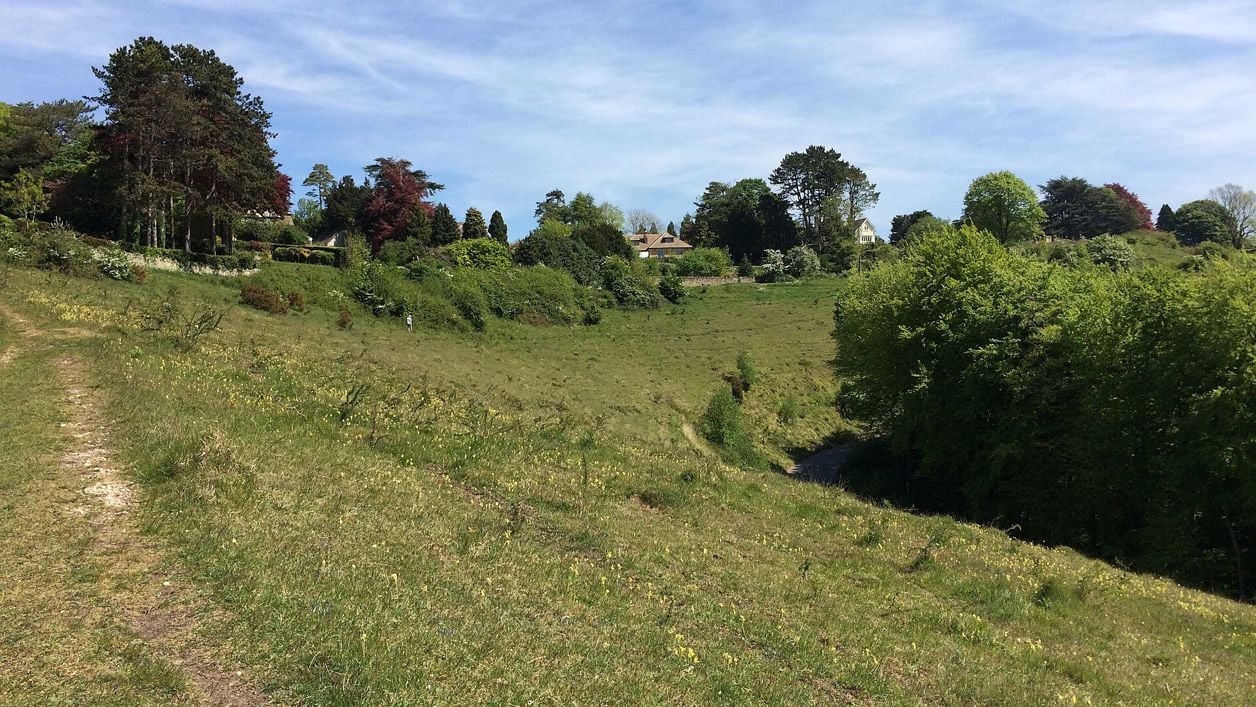
A dog is welcome almost everywhere outdoors in the Cotswolds, on a lead wherever there are sheep or cattle, and that is most fields and all three big commons. The Countryside Code adds a lead rule on open access land from 1 March to 31 July, for ground-nesting birds. Beyond the footpaths, dogs on leads can go to Westonbirt, Batsford, the Cotswold Wildlife Park, Broadway Tower's park and the grounds of several National Trust houses, and to a long list of pubs and inns. This guide gives the rules first, then the walks, rivers, attractions and beds.
How we know: the rules below are the Countryside Code's own words as GOV.UK publishes them and the canine code the Cotswolds National Landscape adopted; each attraction's rule is the one it states on its own site, dated on its listing; and the walks are our own pages, which say where walkers met livestock on each route. We have not been able to read the National Trust's pages by machine, so its rules are quoted from our listings and should be checked before you rely on them. The rules alone are on our page Dogs in the Cotswolds: the rules.
The rules: the Countryside Code and the canine code
The Countryside Code, updated by Natural England in May 2023, says four things about dogs. Keep your dog on a lead around livestock wherever you are, and on open access land and at the coast you must. Between 1 March and 31 July you must have your dog on a lead on open access land even when there are no animals, because birds nest on the ground then. Let your dog off the lead if you feel threatened by livestock or horses, and do not put yourself at risk to protect it; releasing the dog gets you both to safety. And always pick up and bin its poo, because it can cause illness in people, livestock and wildlife; do not leave a bag by the path to collect later.
The Cotswolds National Landscape goes a step further with the canine code written by Gloucestershire Wildlife Trust: keep the dog on a lead unless a sign says otherwise, because leads protect ground-nesting birds, adders and rare plants as well as other visitors; stay at least 10m from grazing animals; and pick up every time, because livestock can catch diseases from dog faeces. Open access land in the Cotswolds means much of the commons and some of the scarp, so from March to July the lead stays on wherever you see the access land sign at Minchinhampton, Rodborough and Cleeve whether or not you can see a cow.
Livestock on the commons and in the fields
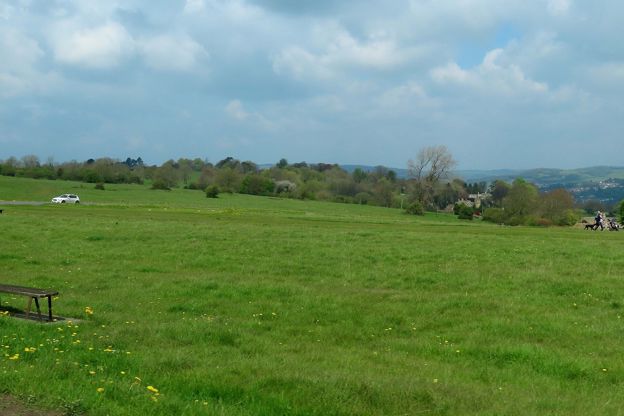
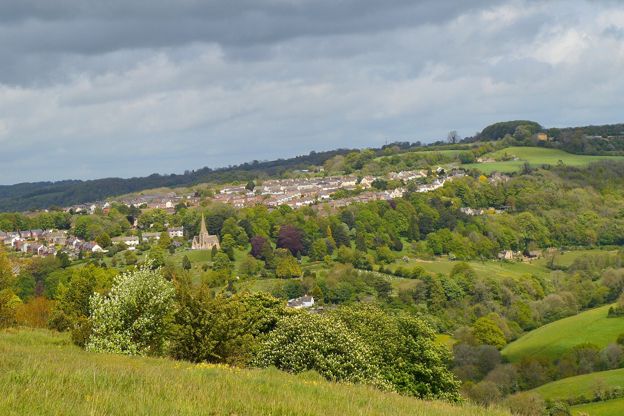
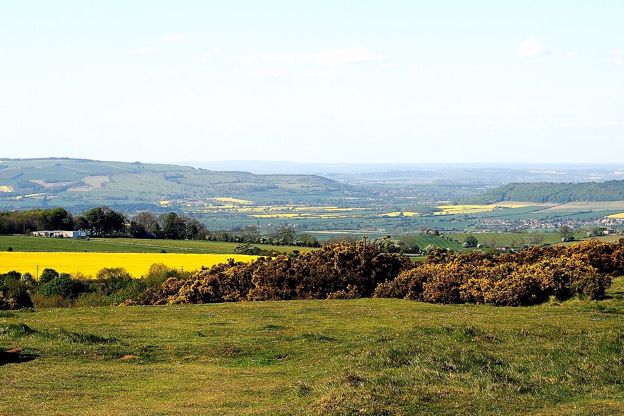
The three great commons are grazed, and the grazing is why they are special. Commoners' cattle graze Minchinhampton and Rodborough from May to October and wander across the open roads that cross them, so drive slowly, well under the 40mph limit, and expect a cow in the road; in September 2026 Minchinhampton Parish Council said road safety was under review after several cows died on the commons, one hit by a car near the Bear on Rodborough Common. On Cleeve Common, which is private land with public access, cattle graze all year and sheep from April to November, and the Cleeve Common Trust asks for a lead of 2m or less from 1 March to 31 July and always near animals.
The Countryside Code advises that if you feel threatened by cattle or horses, let the dog off the lead and do not risk getting hurt protecting it, because releasing it makes it easier for you both to reach safety. Most Cotswold footpaths cross farmland, and our walk pages say where the fields had sheep or cows when they were walked, which stiles have no gap for a dog, and where lambs were in the riverside fields in spring. In lambing time, late winter and spring, a dog loose in a field of ewes is the single worst thing a visitor can do here, and the Countryside Code warns that a farmer can shoot a dog that is attacking or chasing livestock.
Is Bibury dog friendly?
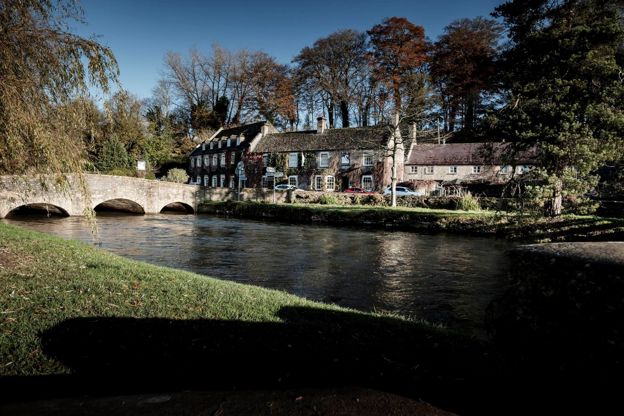
Yes, on a lead. Bibury's one street runs along the River Coln past Arlington Row, and the path in front of the cottages and round Rack Isle, the National Trust's water meadow, is level and open to dogs on leads; the Trust manages the meadow for wildlife, so keep to the path. Bibury Trout Farm lets dogs on leads into its grounds and its car park is one of the few places to leave a car, and the Swan Hotel by the bridge takes dogs in its bar and garden and in some rooms, for £20 a night (2026). The village is busiest in the middle of the day, and a dog on a narrow pavement among coach parties is no fun for either of you, so come early or late, then walk out down the Coln valley on the circuit to Coln St Aldwyns, where the river is the same and the crowds are not.
The best dog walks
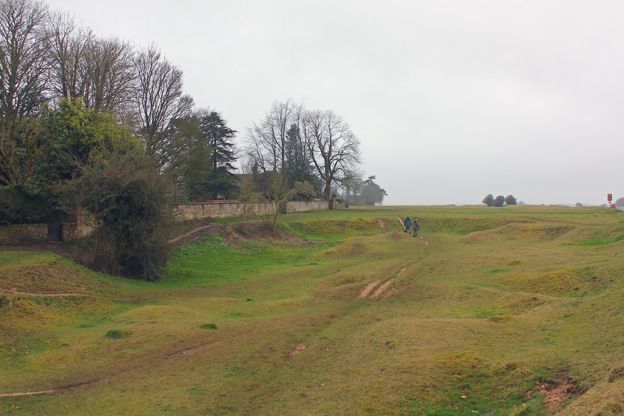
The best dog walks in the Cotswolds are the commons, where a dog can go off the lead outside the nesting season when no animals are near, and the river valleys, where it can swim. Our dog-friendly walks page lists them, each saying where walkers met sheep or cattle and which stiles a dog cannot pass. The easiest is the 2-mile loop on Rodborough Common, nearly level on grass, with an ice cream at the end; the Minchinhampton Common and Amberley walk is a longer, stile-free 5 miles with two pubs. Cleeve Common and Cleeve Cloud is the high walk, 4 miles over the top of the Cotswolds, on a lead for the sheep and the golf course.
By the water, the Lower to Upper Slaughter path along the River Eye is 2 miles there and back, almost level, with lambs in the fields in spring; Lechlade and St John's Lock is a flat 3 miles beside the Thames where dogs swim, with cattle loose on the bank at times; and the Malmesbury river walk rounds the town on the Avon in an hour. For a day, Eastleach and the River Leach is 4.4 muddy miles up a quiet valley that walkers describe as a dog walkers' loop, with signs asking for leads to protect wildlife, and Painswick and Painswick Beacon climbs 250m to the Iron Age ramparts and comes home past the Rococo Garden, cattle on the Beacon permitting.
Rivers for a swim
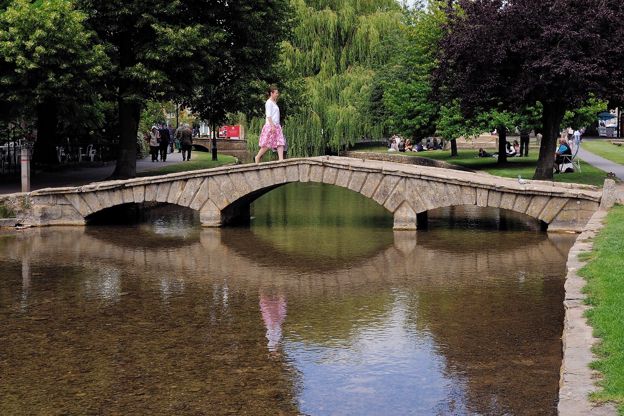
The Thames at Lechlade is the best dog swim in the Cotswolds: wide, slow and reached from the grass on the St John's Lock walk, well away from the boats at the lock itself. The River Windrush is shallow and gravelly through Bourton-on-the-Water, where it runs beside the green under the low bridges; it is also where every child in the village paddles on a summer afternoon, so a wet dog is better off downstream at Minster Lovell, where the walk follows the river past the ruined hall, or in the meadows below Burford. The Coln at Bibury is a trout river with a farm on it, so keep the dog out of it there and let it in on the field stretches further down.
Two cautions. The Windrush and the Burford meadows flood in winter, and walkers found the path beyond Crawley impassable in January 2026. And the lakes of the Cotswold Water Park, south of Cirencester, are deep, cold gravel pits, many of them private or fished, and a dog should swim there only where a sign says it may.
Dog-friendly attractions
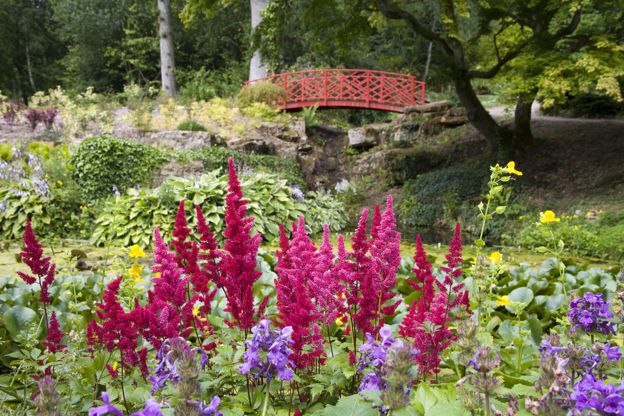
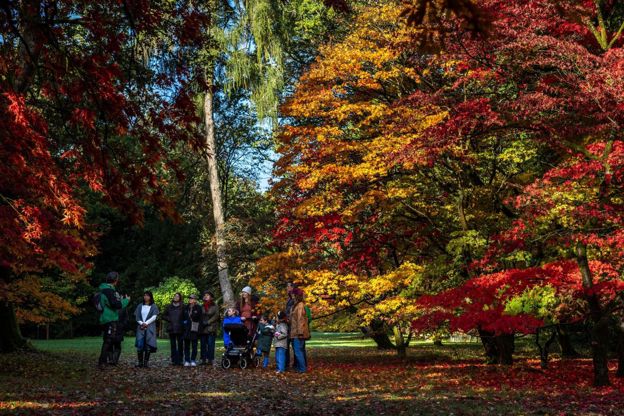
The attractions that welcome dogs are mostly outdoor ones, and each has a boundary. Westonbirt, the National Arboretum, is the best day: two thirds of the arboretum is open to dogs. They run off the lead under control in Silk Wood, go on a lead on the Downs around the Welcome Building, the restaurant, the shop and the treetop walkway, and stay out of the Old Arboretum and the big events such as the Christmas trail. The restaurant is dog friendly, there is dog ice cream at the pantry by the Exploratree play area, water bowls stand at the Welcome Building, the restaurant and the central toilets, and there are eight dog bins at the main junctions in Silk Wood. Batsford Arboretum takes dogs on a short fixed lead everywhere, including the café and garden centre; extending leads are not allowed, and the admissions desk has a few short leads to swap.
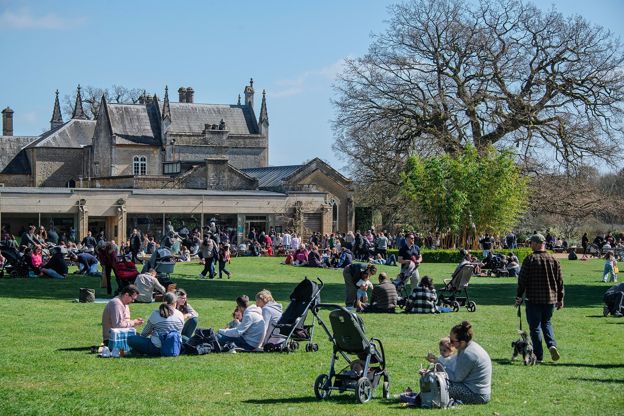
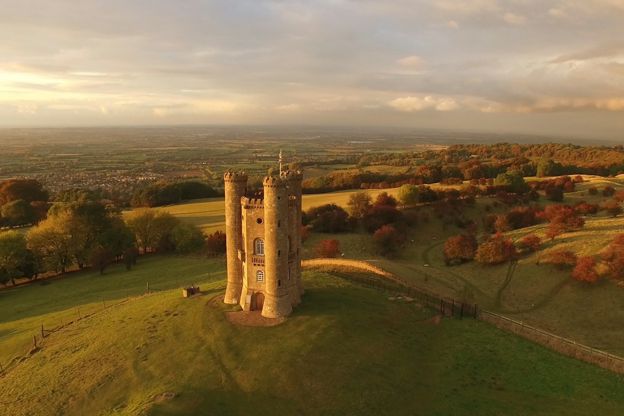
The Cotswold Wildlife Park near Burford is the unusual one: dogs on leads can go through most of its outdoor areas, among the rhinos and giraffes, though not indoors, in any area with free-roaming animals, the restaurant or the gift shop. Broadway Tower welcomes dogs on leads in its deer park and at both cafés, but not in the tower museum. Cogges Manor Farm at Witney takes dogs on a short lead around the farm, though only assistance dogs in the manor house, and from 2 November 2026 the farm opens only in the mornings, 9.30am to 1pm. The Gloucestershire Warwickshire Railway carries a dog on a lead for £5 a trip (2026), though not in First Class. Cotswold Lavender lets dogs on leads into its fields in the flowering season, from about mid-June to early August, but not the children’s play area, and the free ruins of Minster Lovell Hall and Cirencester's Roman amphitheatre ask only for a lead. Belas Knap, the long barrow above Winchcombe, is free and on a lead for the sheep on the climb.
Gardens and houses: where dogs can and cannot go
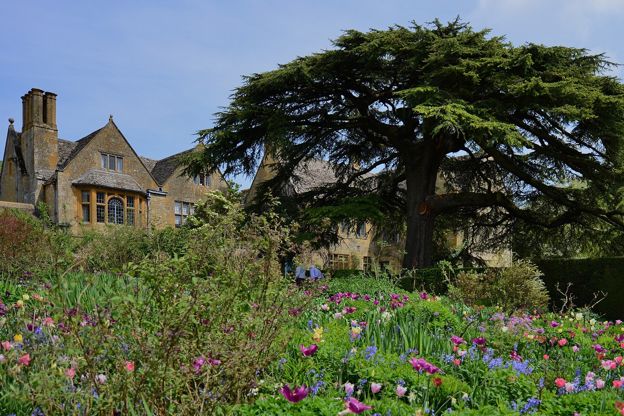
At the National Trust's houses the rule is a short lead and part of the grounds. At Hidcote dogs on short fixed leads can go everywhere but the Old Garden and the manor; at Snowshill Manor they can go in the reception, shop, picnic area, orchards, meadow and the lawns in front of the house, but not the formal garden or inside; at Lacock Abbey they can go in the garden all year on a short lead; at Chastleton only the car park, parkland, forecourt and stable yard, on leads; at Chedworth Roman Villa nowhere but assistance dogs. Kelmscott Manor, which is not the Trust's, takes dogs on leads in the grounds but not the house or the walled garden, and Blenheim lets them into its 2,000 acres of parkland, the first part of the Walled Garden and the Pantry café on leads, but not the palace, the formal gardens, the adventure playground, the Stables Café or the Orangery Restaurant.
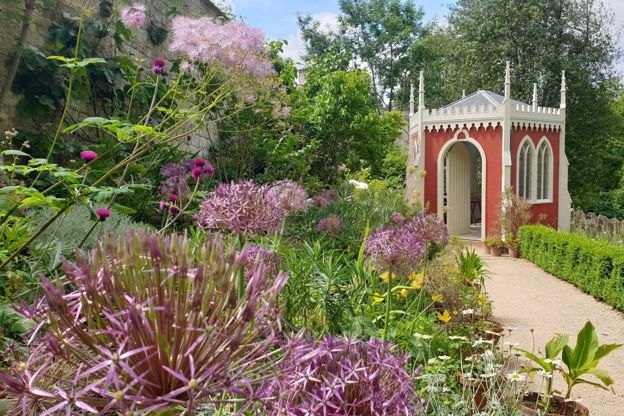
Among the gardens, Painswick Rococo Garden is the friendliest, with dogs on leads welcome in the garden, the café and the shop, and free entry for their owners on three November weekends (7 and 8, 14 and 15, and 21 and 22 November in 2026); Cerney House Gardens and Colesbourne Park's snowdrop weekends also take dogs on leads. Pet dogs are not allowed at Sezincote, Rodmarton Manor, Bourton House, Kiftsgate, Miserden or Highgrove, and at Sudeley Castle they can go only to the visitor centre and the Pavilion Café, which needs no ticket and opens daily in the castle’s season (to 1 November in 2026). Only assistance dogs can go into the Model Village at Bourton or the farm at Cotswold Farm Park, though dogs are welcome in the Farm Park's Ox Shed, on its events fields and on its dog-friendly Wildlife Walk. Our guide to the great gardens of the Cotswolds has the seasons.
Pubs and places to stay with a dog
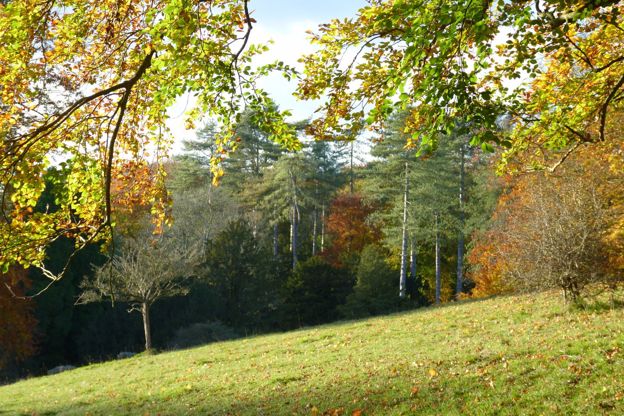
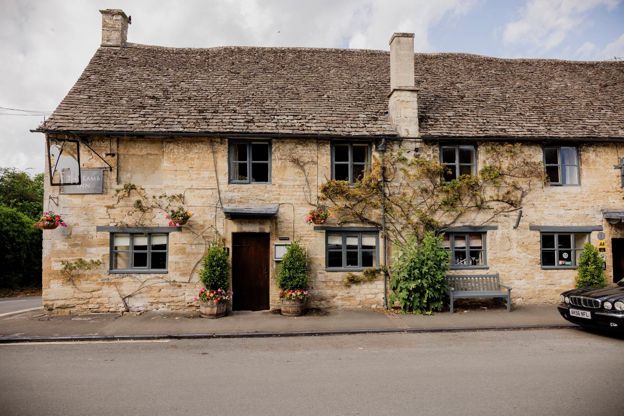
Most Cotswold inns take dogs, usually in set rooms for £10 to £30 a night, and most pubs let them into the bar and garden but not the dining room, so say when you book. In Castle Combe the Castle Inn takes dogs in all its public rooms and has a couple of dog-friendly bedrooms, £20 a stay for one dog (2026); in Burford the Lamb Inn has a fire in the bar and dogs in both bar and garden, and dog-friendly rooms at £20 a night; in Lacock the Red Lion lets dogs upstairs as well as in the bar and the George has a paddock beer garden. The Hollow Bottom at Guiting Power, the Falcon at Painswick and the Lion at Winchcombe take dogs in every room, the Swan at Ascott-under-Wychwood takes them in its bedrooms, with dog beds, bowls and treats, and has a dog menu in the bar, and the Bear of Rodborough has the common on its doorstep, dogs in the bar and garden though not the Library Restaurant, and set dog rooms at £20 a night (2026). Our dog-friendly weekend in the Cotswolds makes Winchcombe the base for two days, with Cleeve Common, the steam railway and Broadway Tower on foot.
For a hotel with its own trails, the Fish above Broadway has a dog bath, a boot room and a nature trail on its 500-acre estate, and takes dogs a year old or more in set rooms for £30 a night, though not in the restaurant; Pettifers near Malmesbury calls itself proudly dog friendly, with walled gardens and ground-floor rooms. Daylesford near Kingham has a dog menu at two of its restaurants, the Legbar and the Old Spot. Our guide to the best pubs in the Cotswolds names more, and every listing of ours shows whether dogs are welcome and what it costs.
The Cotswolds Info newsletter
Events, new places and the best of the season, about once a month. Unsubscribe at any time.
What to do on a hot day
Walk early or late, in woods or by water, and skip the open commons and the lavender fields in the middle of the day, when there is little shade on either. The limestone grassland of the commons has no cover and the stone paths of the villages hold the heat, so test the pavement with the back of your hand before a dog walks on it. Westonbirt's Silk Wood, Frith Wood above Slad, where dogs stay on a lead but the beeches keep it cool, and the riverside paths at Lechlade, Minster Lovell and the Slaughters are the places to be, and the Thames at Lechlade is the swim. Carry water and a bowl; Westonbirt and most dog-friendly pubs put bowls out, but a field path does not. Never leave a dog in a car in a village car park, and on the hottest days the best plan is a pub garden with shade and a short walk at dusk.
Vets and emergencies
Before you set out, find the nearest vet to where you are staying and save its number, because every practice in the UK must provide or arrange 24-hour emergency care, and the out-of-hours provider is often a different clinic in a different town. The Royal College of Veterinary Surgeons' Find a Vet (opens in a new tab) search lists every registered practice, and your own vet's answerphone will give its emergency arrangement. Expect to drive the dog to the emergency provider yourself; the RCVS says owners are responsible for getting their animals to the practice, and a vet need not come out. Out-of-hours care costs more than routine care, but first aid and pain relief should not wait while payment is sorted out, whether or not you are a registered client. Adders are one of the reasons the canine code asks for a lead; a bite is a veterinary emergency, so keep the dog on the path in spring and summer.
The care code for dogs in the Cotswolds
Bag it and bin it, every time, including in the fields, because dog faeces can carry diseases that make livestock ill, among them neosporosis, which can make cows abort; if there is no bin, take it home, and never hang a bag on a gate. In late winter and spring keep the dog on a lead anywhere there might be ewes and lambs, and from March to July on the commons for the birds. Leave gates as you find them, and keep the dog beside you through a field of cattle, ready to let it go if the cattle come. In the villages, which are homes, keep it on a lead on the street and out of the river at Bourton and Bibury where children paddle and fish are farmed. Our outdoor activities guide has the rest of the countryside, and each walk's page says what the ground was like when it was walked. Our care code for every visitor, Love the Cotswolds, has five promises of its own.
Mentioned in this story
The places, sights and walks in this story, each with a page of its own: what it is, when to go and how to get there.
-
Batsford Arboretum
Parks and gardens · Moreton-in-Marsh
-
Painswick Rococo Garden
Parks and gardens · Painswick
-
Cotswold Wildlife Park and Gardens
Wildlife and nature · Burford
-
Hidcote
Parks and gardens · Chipping Campden
-
Westonbirt, The National Arboretum
Parks and gardens · Tetbury
-
The Lamb Inn
Inn · Burford
-
Broadway Tower
Historic houses and heritage · Broadway
-
Minchinhampton Common
Sight · Common or park · Minchinhampton
-
Rodborough Common
Sight · Common or park · Stroud and the Five Valleys
-
Cleeve Common
Sight · Common or park · The Cotswold Edge
-
River Windrush
Sight · River · The Oxfordshire Cotswolds
Places to stay near Bibury
-
The Swan Hotel
Hotel · Bibury
A former coaching inn by the bridge over the River Coln in Bibury, part of Cotswold Inns and Hotels, with a brasserie, a lift, a free car park and dog-friendly rooms.
Dog-friendly · Wedding venues
Verified Nov 2026
-
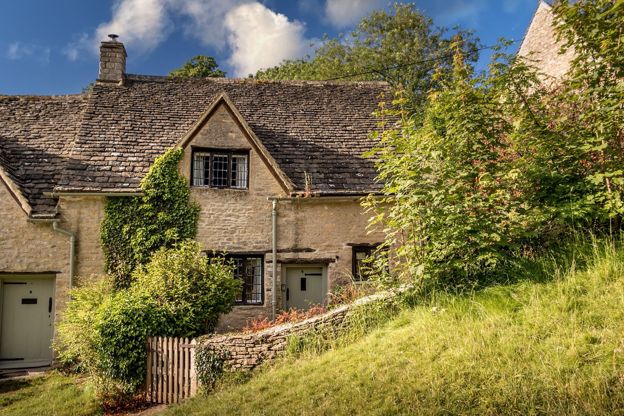
9 Arlington Row
Self-catering · Bibury
The National Trust's holiday cottage in Arlington Row, Bibury: a two-bedroom former weaver's cottage for three, with a wood burner and a private garden behind the famous terrace.
Verified Oct 2026
-
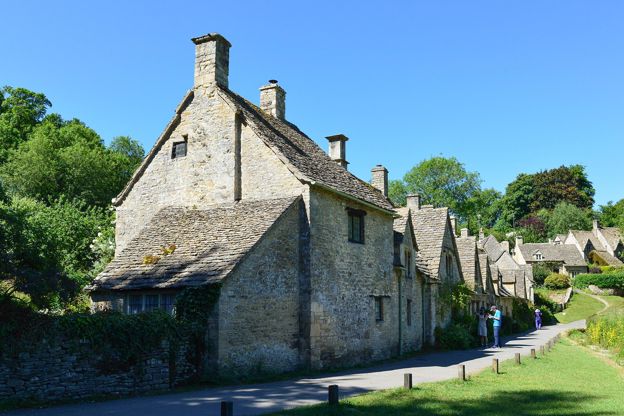
Cotteswold House
B&B · Bibury
A renovated guest house in Arlington, Bibury, a short walk from Arlington Row, with double rooms, a family suite and two self-catering cottages, and a cooked breakfast for those in the rooms.
Verified Oct 2026
Read next
-
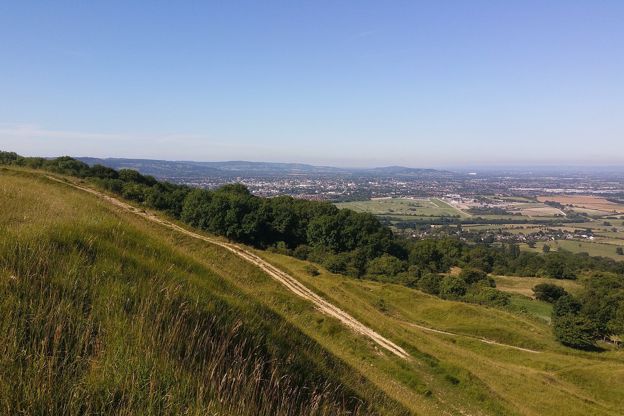
Walking, cycling and the outdoors in the Cotswolds
Story · Guides · 5 minute read
The Cotswold Way and other long walks, the cycle routes that follow the railway and the valleys, and the Cotswold Water Park's lakes: how to get outdoors in the Cotswolds.
-
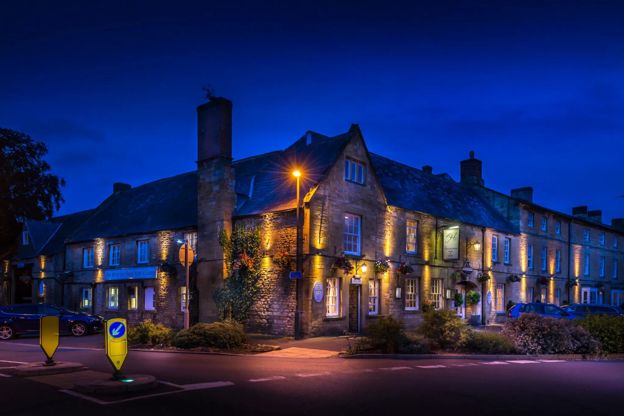
Cotswold pubs and the breweries behind them
Story · Guides · 4 minute read
Donnington, Hook Norton, Arkell's and Wadworth, the newer breweries at Uley and Stroud, the old coaching inns and the village pubs with rooms: a guide to Cotswold pubs.
-
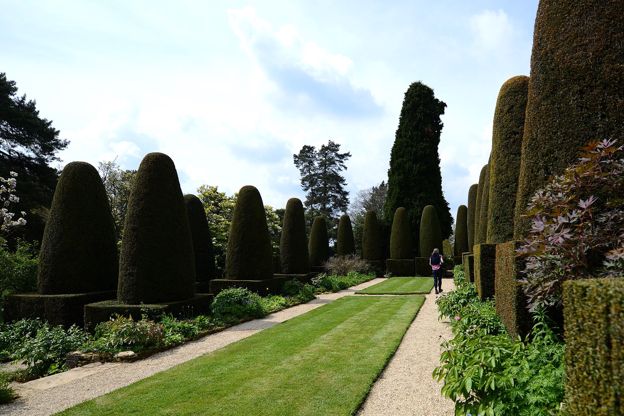
The great gardens of the Cotswolds
Story · Guides · 12 minute read
Eighteen Cotswold gardens by kind and season: Hidcote, Kiftsgate, Sezincote, Batsford, Westonbirt, the Rococo Garden, Colesbourne's snowdrops, Rodmarton, Highgrove and more, with who made each, the best month, how long to allow and the dog rules.