Derek Harper, CC BY-SA 2.0, via Wikimedia Commons
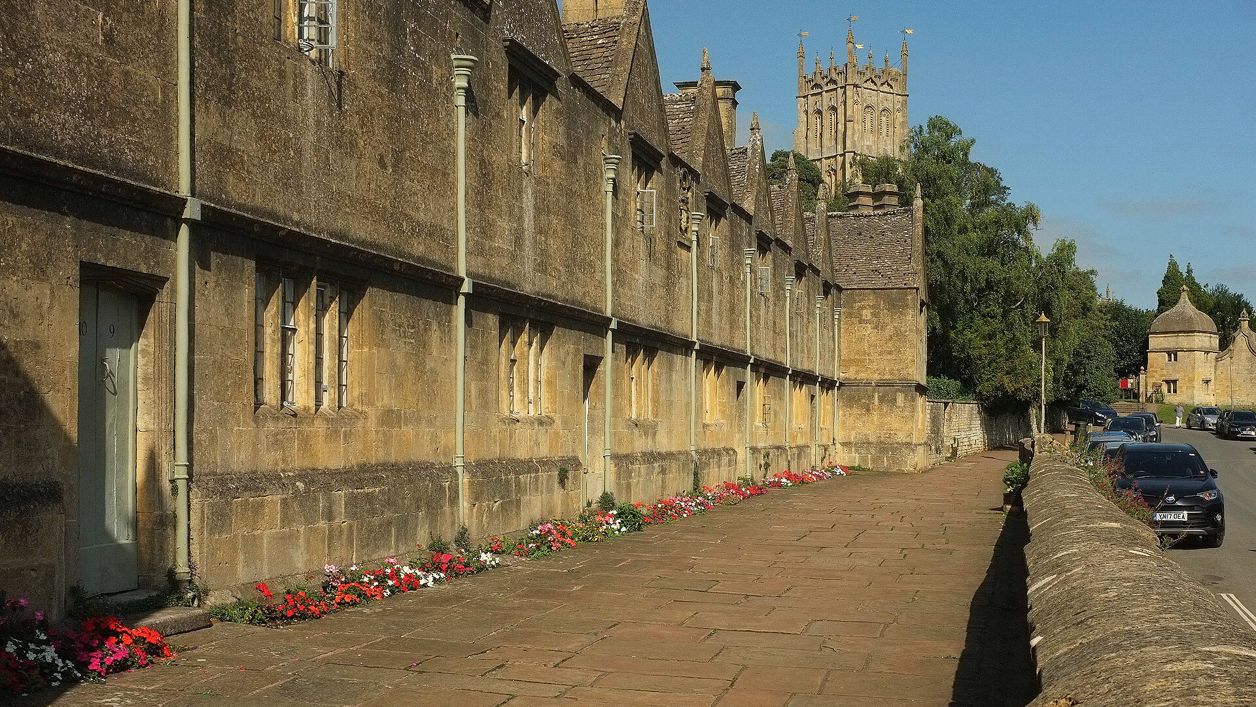
Almshouses, Chipping Campden
Twelve almshouses on Church Street in Chipping Campden, built in 1612 for Sir Baptist Hicks at a cost of £1,000 on an I-shaped plan said to honour James I, and still homes for older people. Grade I; seen from the street.
Historic building
Chipping CampdenThe almshouses line Church Street in Chipping Campden, on the way from the High Street to St James's Church. Sir Baptist Hicks built them in 1612, at a cost of £1,000, for six poor men and six poor women, and they still give homes to twelve older people. They are listed Grade I.
History
The almshouses were Hicks's gift to the town he had bought. A London silk mercer who bought the manor of Campden in the first decade of the seventeenth century, Hicks built a great house beside the church, the Market Hall in the High Street, and this row for the poor, and the listing puts all three down to the same unnamed designer. The plan of the building is an I, which tradition says was a compliment to James I.
Each dwelling began as one room up and one room down, with a shared privy outside; kitchens and bathrooms came much later. Hicks also saw to the water supply: water came by pipe from the conduit house on Westington Hill, and the old tap is still on the front wall, though it no longer works. Someone scratched the date 1625 on the north gable.
What the garden held
In 2011 volunteers from the local archaeology society dug a trench in the almshouses' garden under a professional archaeologist. They found that four centuries of household rubbish had raised the ground about a metre above the footpath, and they recovered pottery, clay pipes and butchered animal bones that show something of what the residents ate. The history society has since traced a local pipemaker named in the records.
What to look for
The front is a single composition in ashlar on a moulded plinth, two storeys under a Cotswold stone roof. Look for:
- The eight gables over the middle section, with finials, joined by a parapet
- Stone mullioned windows under a continuous moulding along the ground floor
- Six Tudor-arched doorways with lobby entrances behind them
- The heraldic panel in the centre with Hicks's arms and his motto, Nondum metam, which the history society translates as 'I have not yet reached my goal'
- The diagonal chimney stacks at the gable ends and the old water tap on the front wall
The same arms are on the Market Hall. The listing calls the row a remarkable and intact group of Jacobean almshouses.
Visiting
The almshouses are private homes, so look from the pavement and leave the residents in peace. They can be seen at any time, and the far side of Church Street gives the best view of the whole front.
Getting there
By car, park in Back Ends, where the Cotswolds National Landscape asks walkers to park, or in the Market Square car park on the High Street (GL55 6AW), which is free for the first 20 minutes and then charges from 7am to 7pm every day, by card, app or phone with no cash, and walk down Church Street, about 300m from the Market Hall. Stagecoach buses 1, 1A, 2 and 2A stop in the town between Stratford-upon-Avon and Moreton-in-Marsh station.
On foot, Chipping Campden from Broad Campden, a 3.3-mile (5.3km) loop, passes within about 75m at the church end of Church Street.
Nearby
St James's Church and the lodges of Old Campden House are at the end of the street, with Court Barn, the museum of the Arts and Crafts makers, beside them. The Eight Bells inn is a few steps away on Church Street. Back on the High Street are the Market Hall, Grevel's House and the Bantam Tea Rooms. Our guide to Chipping Campden covers the town.
Walks past Almshouses, Chipping Campden
-
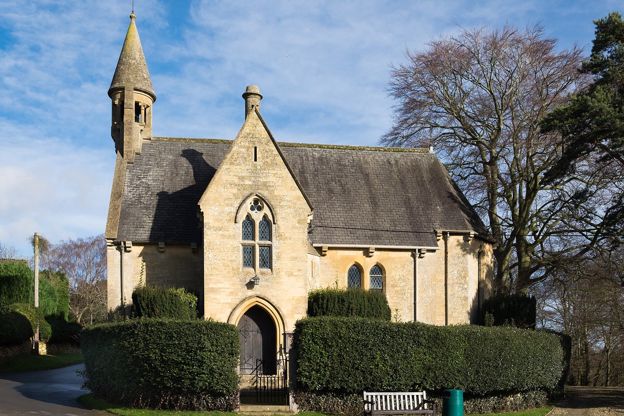
Chipping Campden from Broad Campden
Walk · Starts in Chipping Campden · 1 hr, 15 mins · Circular · Dog-friendly
A 3.3-mile (5.3km) circular walk from St Michael's church in Broad Campden, easy and mostly level, in about an hour and a quarter. It draws a figure of eight over the fields to Lady Juliana's Gateway, along Chipping Campden's High Street, by St James's and back.
-
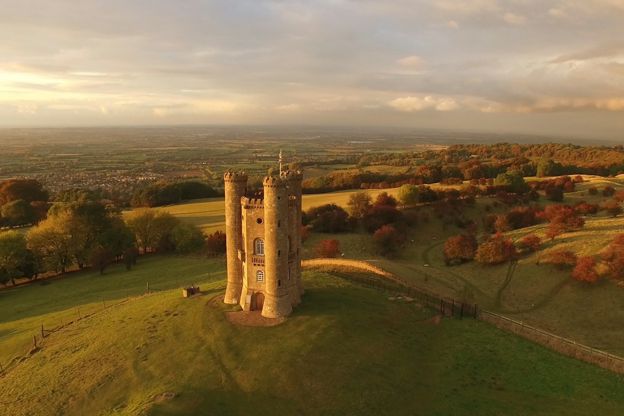
The Cotswold Way
Walk · Dog-friendly
The Cotswold Way is a 102-mile (164km) National Trail walk from Chipping Campden to Bath along the escarpment, in 15 sections; the official guidebook suggests seven to ten days, and its frequent steep climbs make it hard going.
-
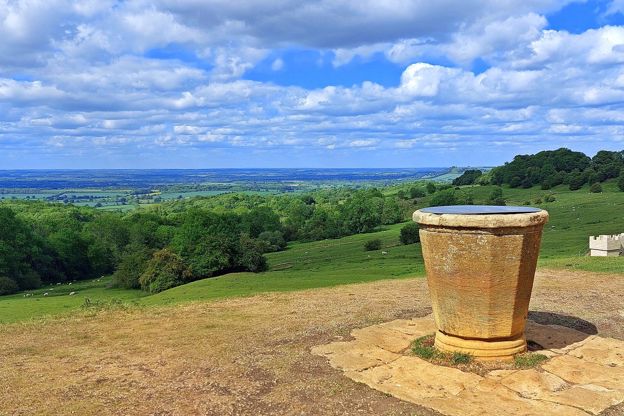
Chipping Campden and Dover's Hill
Walk · Starts in Chipping Campden · 3 hrs, 30 mins · Circular
A 4.5-mile (7.2km) circular walk from the Market Hall in Chipping Campden, two and a half to three and a half hours, moderate with steep sections. It climbs the Cotswold Way to Dover's Hill, home of the Olimpicks, and drops through Lynches Wood; a 3-mile version skips the climbs.
Stay and eat near Almshouses, Chipping Campden
-
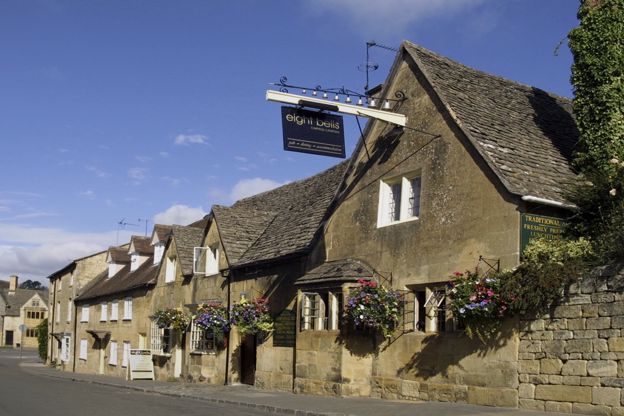
The Eight Bells Inn
Inn · Chipping Campden
A pub with six rooms on Church Street, Chipping Campden, serving lunch and dinner, on Church Street.
Verified Nov 2026
-
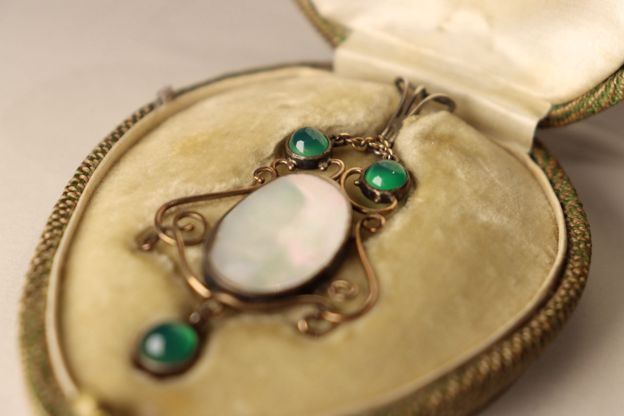
Court Barn Museum
Museums and galleries · Chipping Campden
Chipping Campden's museum of craft and design, telling the story of Ashbee's Guild of Handicraft and the makers who followed, with half price for bus passengers.
Rainy days · Car-free
Verified Oct 2026
-
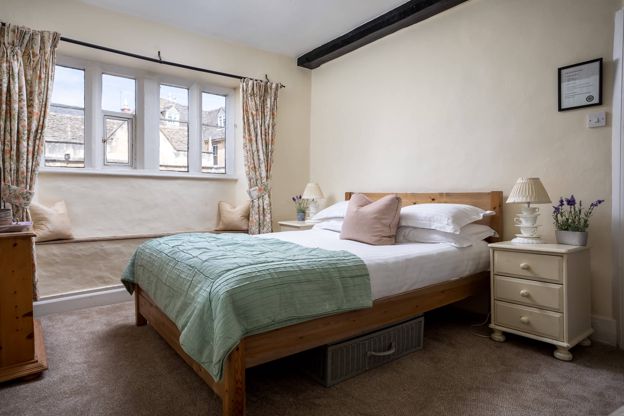
Bantam Tea Rooms
Cafes and tearooms · Chipping Campden
Tea rooms with rooms on the High Street in Chipping Campden, open every day from 9.30am to 5pm.
Verified Oct 2026
More sights to see
-
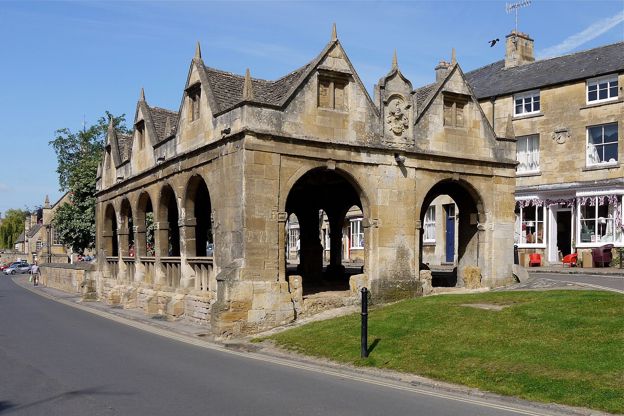
Market Hall, Chipping Campden
Sight · Historic building · Chipping Campden
The open arcade of 1627 in the middle of Chipping Campden's High Street, built by Sir Baptist Hicks as a sheltered market for butter, cheese and poultry, saved from sale to America in the 1940s and now the National Trust's. Grade I; the Cotswold Way starts beside it.
-
Old Campden House, Chipping Campden
Sight · Historic building · Chipping Campden
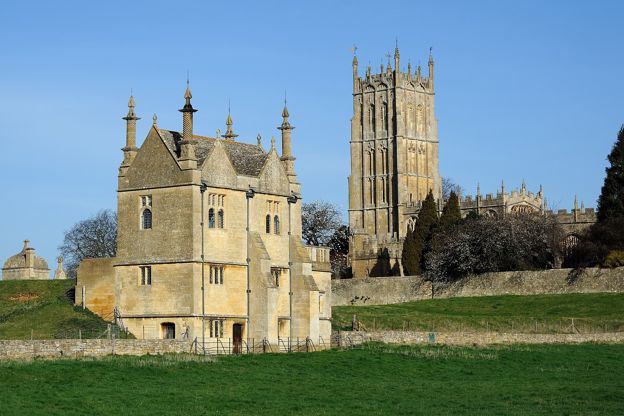
The lodges, gateway and two banqueting houses that survive of Sir Baptist Hicks's great house beside St James's in Chipping Campden, burned by its own Royalist garrison in 1645. The banqueting houses are Landmark Trust holiday lets; the grounds open only on occasional open days.
-
St James's Church, Chipping Campden
Sight · Church · Chipping Campden
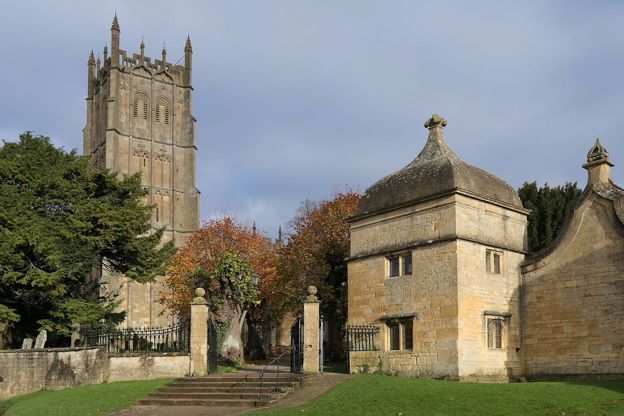
Chipping Campden's wool church at the end of Church Street: a soaring fifteenth-century tower, William Grevel's brass of 1401, Sir Baptist Hicks's marble tomb and a medieval cope and altar hangings. Grade I, open to visitors most days.