Derek Harper, CC BY-SA 2.0, via Wikimedia Commons
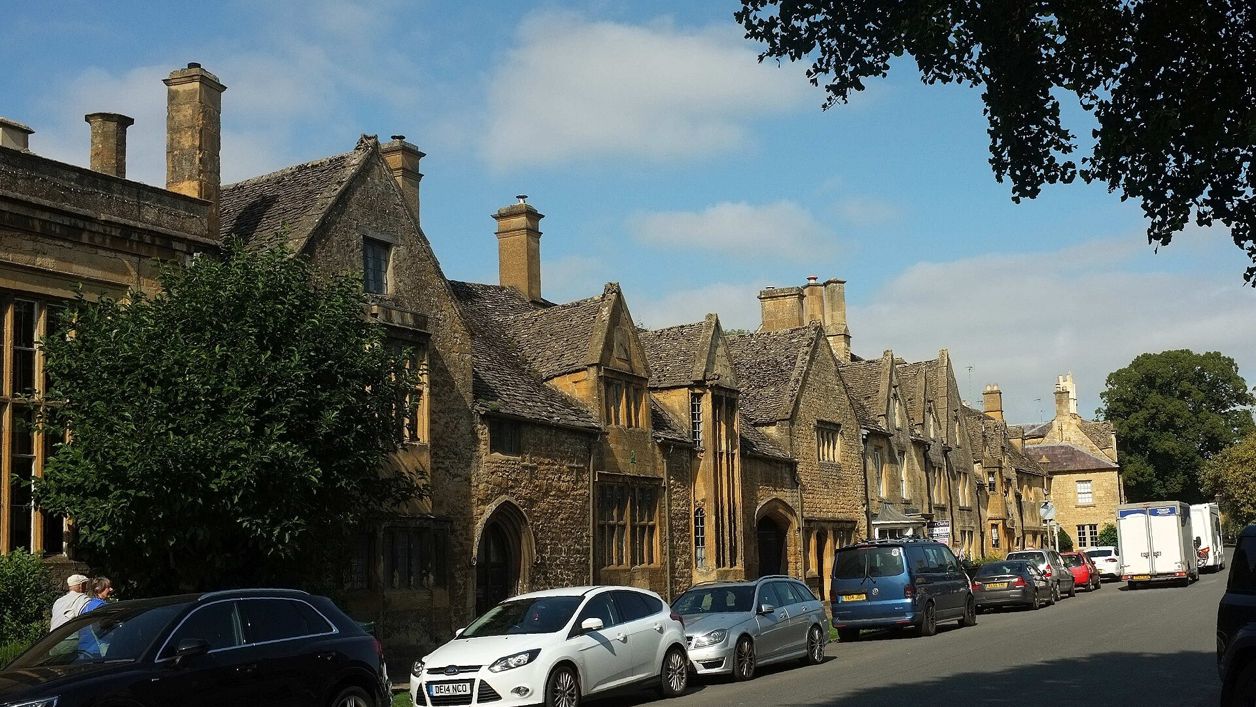
Grevel's House, Chipping Campden
A medieval house on Chipping Campden's High Street with a two-storey Perpendicular bay window under gargoyles, named after William Grevel, perhaps the richest Cotswold wool merchant of his day, who died in 1401. Grade I; a private house seen from the street.
Historic building
Chipping CampdenGrevel's House stands on the north-west side of the High Street in Chipping Campden, with a two-storey Perpendicular bay window that its listing calls exceptionally fine. It is named after William Grevel, the wool merchant who died in 1401 and is buried in St James's. It is listed Grade I and is a private house.
History
The house carries the name of Campden's greatest wool merchant, though how far it was his home is uncertain. The town's history society counts it among his three monuments, with his brass and the church he helped to rebuild, and says he built it; Historic England's listing is more cautious, calling the building complex and enigmatic and not necessarily Grevel's house at all.
William Grevel
Grevel came of a family settled in Campden by 1276. He was perhaps the richest and most influential Cotswold wool merchant of his time, and he put his profits into land: by his death in 1401 he held 14 houses in Campden, and he had bought manors from Lasborough in the south Cotswolds to Milcote near Stratford, where he spent his last years. In August 1397 Richard II acknowledged receiving 300 marks from him. His brass in St James's calls him the flower of the wool merchants of all England, and through his son Ludovic his family led to Sir Fulke Greville, the Elizabethan poet, and the Earls of Warwick.
The building
The listing reads the building as a medieval structure, possibly a fourteenth-century barn, made into a house and remodelled in the late sixteenth century, when the great bay was brought in from elsewhere, with later changes. Inside, the plan of the sixteenth century survives, with a hall and a parlour, and the roof over the hall is still blackened by smoke, a sign that the hall was lived in before the Tudor remodelling.
What to look for
The bay window to the right of centre is the reason to stop. The listing calls it exceptionally fine: two storeys high, six lights wide, with tracery in the windows and in the panels between them, and topped by carved gargoyles. Then look for:
- An altered sixteenth-century bay window to the left
- A seventeenth-century mullioned window
- A sundial on one of the gables
- What appears to be a fourteenth-century doorway
Inside, which is not open, the parlour's bay has a tierceron vault. Woolstaplers' Hall, another merchant's house, stands almost opposite.
Visiting
Grevel's House is a private home, so it is seen only from the pavement. The High Street is level, and the best view of the bay window is from the far side of the street.
Getting there
By car, park in Back Ends, where the National Landscape's walk leaflet and the Chipping Campden Online community website send walkers to park free, or in the Market Square car park (GL55 6AW), which charges from 7am to 7pm by card or phone and takes no cash; the house is about 180m along the High Street from the Market Hall. Stagecoach buses 1, 1A, 2 and 2A stop in the town between Stratford-upon-Avon and Moreton-in-Marsh station.
On foot, Chipping Campden from Broad Campden, a 3.3-mile (5.3km) loop, comes along the High Street past the house.
Nearby
Grevel's brass is in the chancel of St James's Church, at the end of Church Street, past the almshouses. The Market Hall is a short walk west. The Bantam Tea Rooms and the Lygon Arms are about 100m back along the High Street. Our story on the wool churches of the Cotswolds tells how men like Grevel paid for the churches.
Walks past Grevel's House, Chipping Campden
-
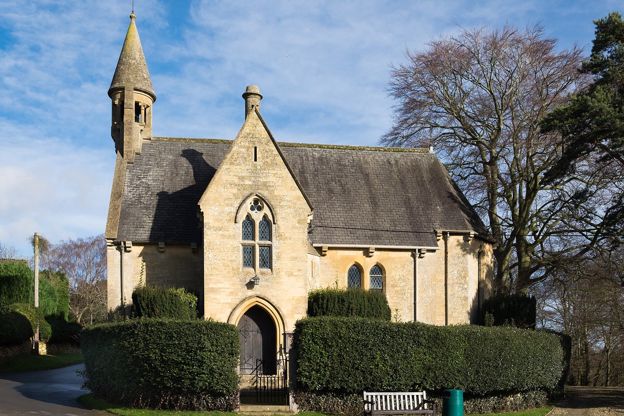
Chipping Campden from Broad Campden
Walk · Starts in Chipping Campden · 1 hr, 15 mins · Circular · Dog-friendly
A 3.3-mile (5.3km) circular walk from St Michael's church in Broad Campden, easy and mostly level, in about an hour and a quarter. It draws a figure of eight over the fields to Lady Juliana's Gateway, along Chipping Campden's High Street, by St James's and back.
-
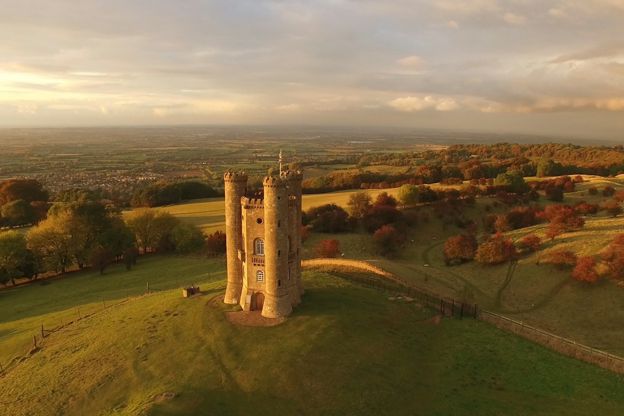
The Cotswold Way
Walk · Dog-friendly
The Cotswold Way is a 102-mile (164km) National Trail walk from Chipping Campden to Bath along the escarpment, in 15 sections; the official guidebook suggests seven to ten days, and its frequent steep climbs make it hard going.
-
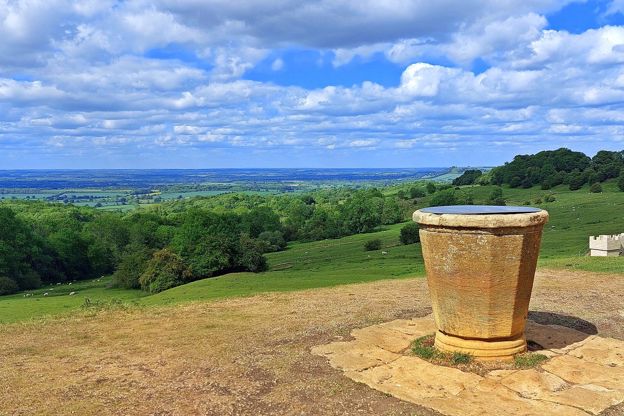
Chipping Campden and Dover's Hill
Walk · Starts in Chipping Campden · 3 hrs, 30 mins · Circular
A 4.5-mile (7.2km) circular walk from the Market Hall in Chipping Campden, two and a half to three and a half hours, moderate with steep sections. It climbs the Cotswold Way to Dover's Hill, home of the Olimpicks, and drops through Lynches Wood; a 3-mile version skips the climbs.
Stay and eat near Grevel's House, Chipping Campden
-
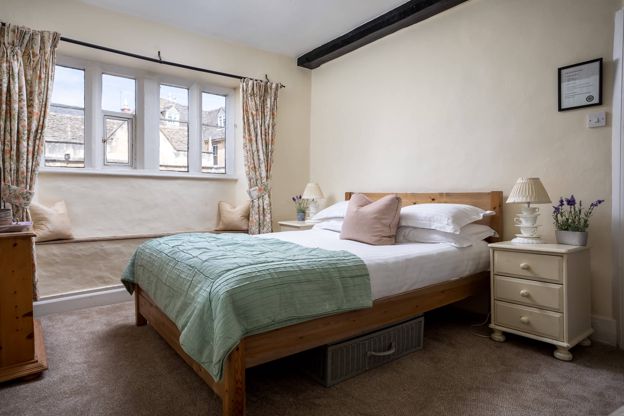
Bantam Tea Rooms
Cafes and tearooms · Chipping Campden
Tea rooms with rooms on the High Street in Chipping Campden, open every day from 9.30am to 5pm.
Verified Oct 2026
-
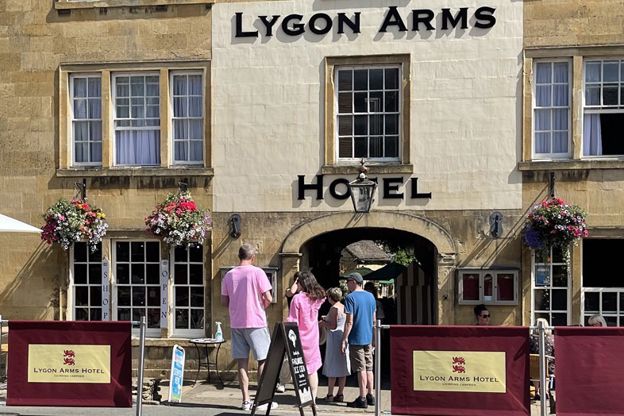
The Lygon Arms, Chipping Campden
Inn · Chipping Campden
A coaching inn with ten rooms on Chipping Campden's High Street, with family rooms, bike storage, free parking at the rear and dogs welcome.
Dog-friendly
Verified Oct 2026
-
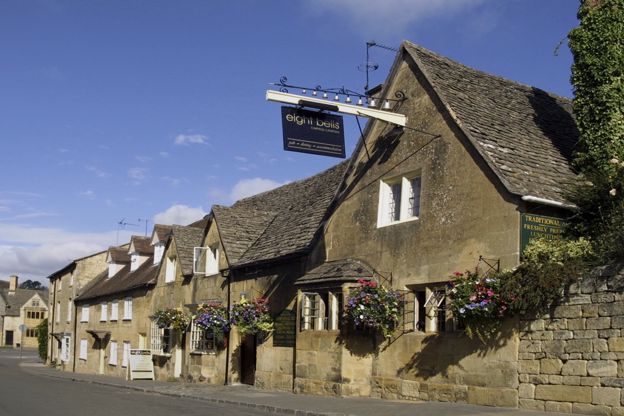
The Eight Bells Inn
Inn · Chipping Campden
A pub with six rooms on Church Street, Chipping Campden, serving lunch and dinner, on Church Street.
Verified Nov 2026
Stories about Grevel's House, Chipping Campden
-
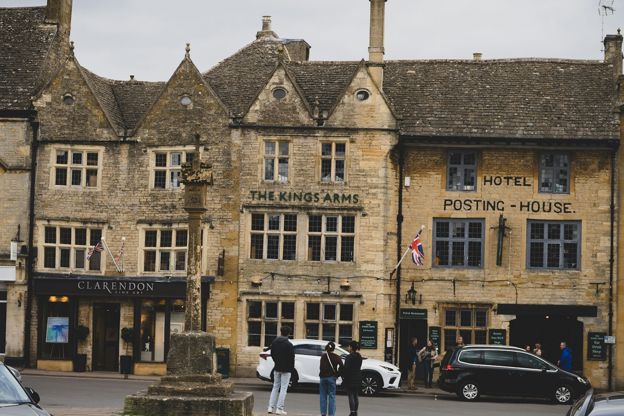
Antiques and shopping in the Cotswolds
Story · Guides · 9 minute read
The antiques towns of Stow, Tetbury, Burford, Broadway and Cirencester, the shopping villages, the makers of Chipping Campden and Stroud, the fairs, the bookshops, Daylesford and Burford Garden Company, and what the Cotswolds are known for buying.
-
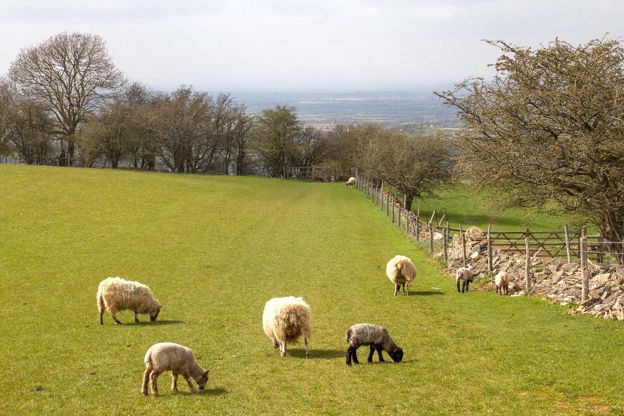
The Cotswold wool trade
Story · History · 9 minute read
How the Cotswold sheep made the hills rich: the medieval export of raw wool through the Staple at Calais, the woolmen of Campden, Northleach and Fairford, the cloth mills of the Stroud valleys, the decline, and where to see it all today.
More sights to see
-
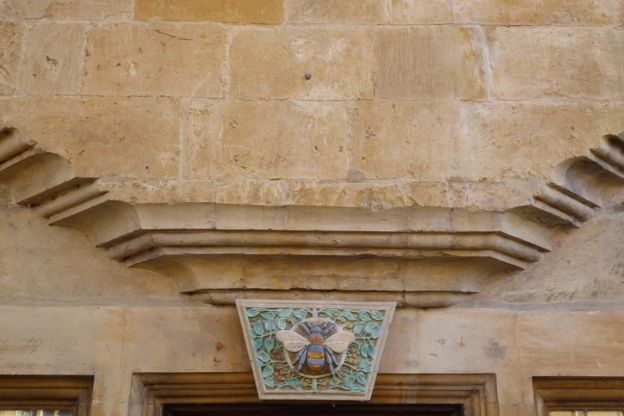
Woolstaplers' Hall, Chipping Campden
Sight · Historic building · Chipping Campden
A fifteenth-century merchants' hall on Chipping Campden's High Street, home of the Calf family of wool merchants and later of C R Ashbee of the Guild of Handicraft, who restored it after 1904. Grade I; seen from the street.
-
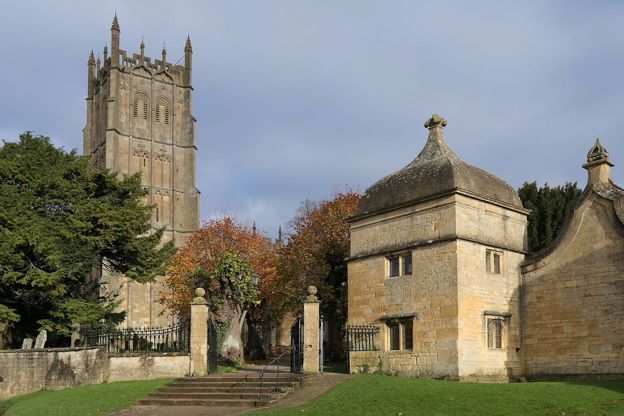
St James's Church, Chipping Campden
Sight · Church · Chipping Campden
Chipping Campden's wool church at the end of Church Street: a soaring fifteenth-century tower, William Grevel's brass of 1401, Sir Baptist Hicks's marble tomb and a medieval cope and altar hangings. Grade I, open to visitors most days.
-
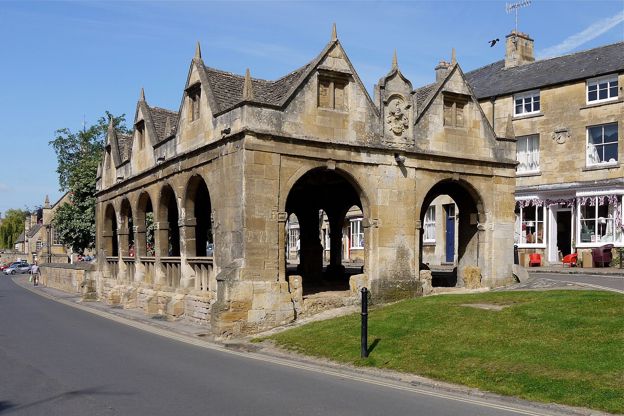
Market Hall, Chipping Campden
Sight · Historic building · Chipping Campden
The open arcade of 1627 in the middle of Chipping Campden's High Street, built by Sir Baptist Hicks as a sheltered market for butter, cheese and poultry, saved from sale to America in the 1940s and now the National Trust's. Grade I; the Cotswold Way starts beside it.