The Cotswold wool trade
For three centuries the fleeces of the high wolds were among the most valuable in Europe, and for three more the valleys below turned them into cloth. Here is how the trade worked, who grew rich on it, and what it left behind.
· 9 minute read
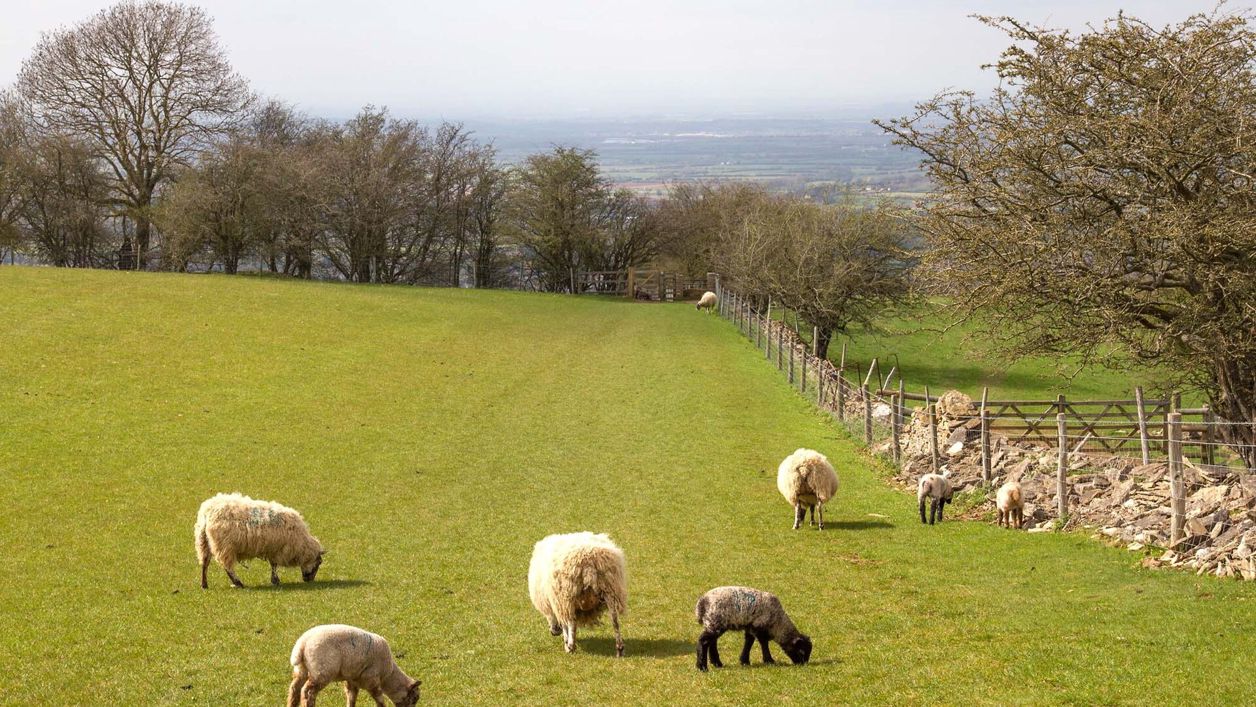
The Cotswold wool trade made these hills rich twice. From the thirteenth century to the fifteenth, merchants bought the fleeces of the high wolds and shipped them raw to the weavers of Flanders and Italy. From the sixteenth century to the nineteenth, the steep valleys round Stroud spun, wove, fulled and dyed the wool themselves and sold finished cloth. The great churches are the famous legacy, and our guide to the wool churches covers them one by one. This is the story of the trade itself: the sheep, the men who sold their wool, and the mills that came after.
Sheep on the high wolds
The trade began with grass. The thin, well-drained soils over the Cotswold limestone suited sheep better than the plough, and the Cotswolds National Landscape Board's history of the landscape traces flocks on the open downs back to the Saxons, whose word dun for hill pasture survives in names like Northleach Down and Blockley Downs.
By the later Middle Ages, the Board records, Cotswold wool was regarded as some of the best in Europe and commanded the highest prices in Italy and the Netherlands. The great landlords were the abbeys. Westminster Abbey summered its sheep on the hill at Bourton-on-the-Hill and wintered them in the valley at Moreton-in-Marsh, a practice it gave up by the end of the fourteenth century in favour of carrying hay to the flocks.
The Black Death of 1348 and 1349 tipped the balance further. With nearly a third of the people dead and too few hands for the plough, much corn land went back to grass, and some villages were abandoned altogether. At Widford, between Burford and Swinbrook, the Board thinks the plague the likeliest cause, and St Oswald's church stands alone in its field with a few grassy humps for company.
The Cotswold Lion
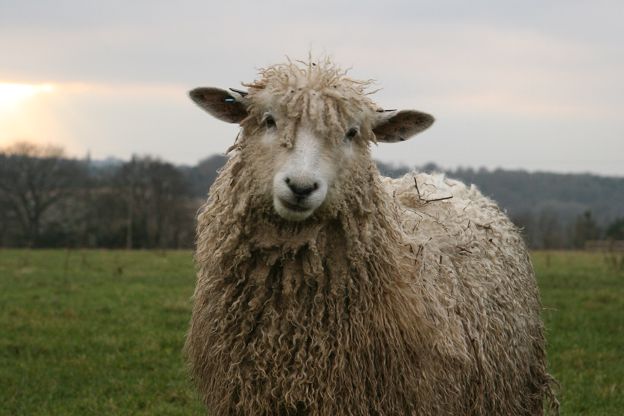
The sheep that paid for it all is the Cotswold, a big longwool breed called the Cotswold Lion for its heavy curling fleece. The idea that the Romans brought it is popular, but the Cotswold Sheep Society (opens in a new tab) calls it unproven and says the breed's origins may never be known for sure.
What the society does record is why the long fleece mattered. Its long locks, the staple, were spun into worsted, a hard-wearing yarn with a shine, and the breed held its value well into the nineteenth century: around 1850 about 5,000 rams were sold or let in Gloucestershire in a single season. Then machinery arrived in the 1840s that could spin worsted from shorter wool, and demand for the longwools fell away.
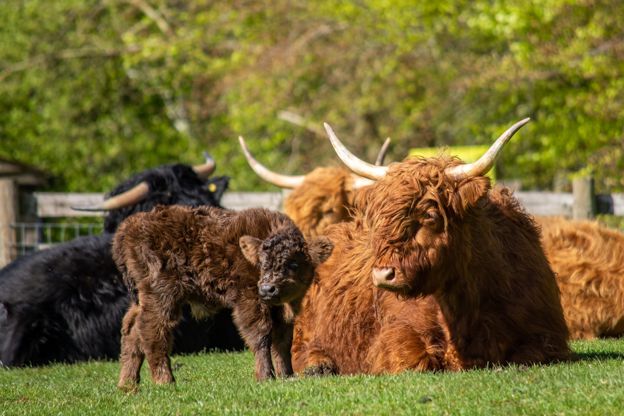
The society was re-formed at Aldsworth in 1966, the Rare Breeds Survival Trust still lists the Cotswold as an at-risk breed, and the easiest place to meet one is Cotswold Farm Park near Guiting Power, which Joe Henson opened in 1971 for rare and native breeds.
The Staple and the woolmen
The wool left England through a single door. Edward III granted the Company of the Merchants of the Staple a monopoly of overseas wool sales in the 1340s. In 1363, by the company's own records, its merchants moved from Bruges to Calais, then an English town, and from there the taxed wool went on to the weavers. Only members could ship wool to Calais, and the Staplers kept their hold on it until the town was lost to France in 1558.
Between the farmer and the Stapler stood the woolman, who bought the clip, graded it and sold it on. The Celys, Staple merchants of Mart Lane in London, bought almost all their wool from Northleach and the country round it, and their letters survive. On 6 November 1479 Richard Cely wrote to his son George that he had bought 60 sacks of Cotswold wool from Will Midwinter of Northleach, a town of fewer than 400 people that the Northleach benefice places at the economic hub of Europe in its day. A Merchant of the Staple is supposed to have summed it up: 'it is the Sheepe hath payed for all'.
Four woolmen and what they left
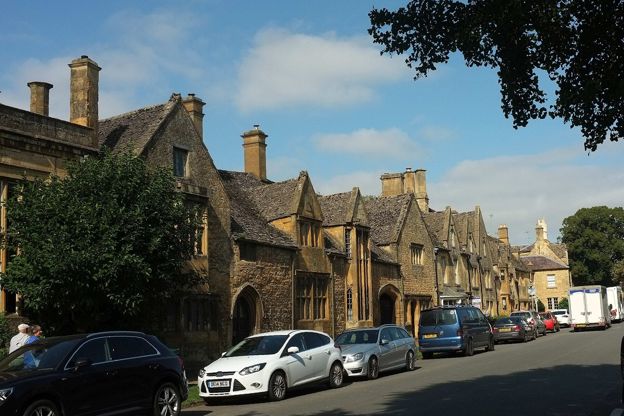
William Grevel of Chipping Campden is the first great name. The town's history society calls him perhaps the richest and most influential of the Cotswold wool merchants of his day. He lent Richard II 300 marks in 1397, held 14 houses in Campden at his death in 1401 and bought manors from Lasborough to Milcote near Stratford. In his will he left 100 marks towards new building at the church. His brass calls him the flower of the wool merchants of all England, and Grevel's House on the High Street carries his name, though Historic England's listing says it was not necessarily his home.
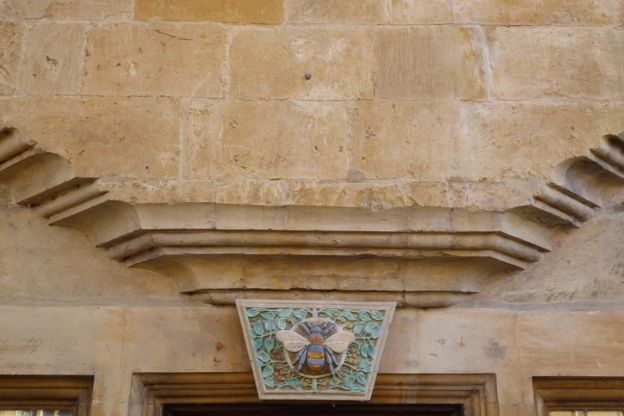
Almost opposite is Woolstaplers' Hall, said to have been a merchants' hall and largely fifteenth-century in its surviving detail, where the Calf family of wool merchants carved their rebus, a picture pun on their name, into a first-floor fireplace.
At Northleach, John Fortey left £300 in his will of 1458 to finish the new work he had begun on the church, to make it, in the benefice's words, 'more lightsome and splendid'. The Midwinters were the Celys' suppliers, and William Midwinter, who died in 1501, left his woolmark, his merchant's sign. Both lie in brass in St Peter and St Paul.
John Tame of Fairford, a wealthy wool merchant and, his church says, a member of the Calais Staple, went furthest. He had leave to pull down all but the tower of his parish church and build a far larger one around it, finished, the church says, in 1497. He died in 1500, and his son Edmund saw St Mary's glazed by 1515.
From fleece to cloth
Cloth making grew alongside the export trade and then took its place. The key process was fulling, pounding woven cloth in water and clay to thicken and felt it, and the clay was on hand: a thin band of fuller's earth runs between the two great limestones of the hills. The Board's history places the first recorded fulling mill in England at Barton near Temple Guiting, in 1185, with others a few years later at Bourton-on-the-Water, Sherborne and Wotton-under-Edge.
At Bibury the trade shows in one row of cottages. Arlington Row was built as a wool store in the late fourteenth century and turned into weavers' cottages about three hundred years later, and the wet meadow in front, Rack Isle, takes its name from the racks where cloth from the mill was hung to dry.
Much Cotswold broadcloth was exported from London undressed and white, and the Stroudwater Textile Trust says broadcloth was a major source of revenue for the Crown. After the Dissolution of the Monasteries, clothiers and merchants bought up abbey lands and built the first great Cotswold manor houses, often from the stones of the abbeys themselves.
The Stroud valleys
The cloth industry settled where the water ran fastest, in the five valleys that meet at Stroud. In 1608 Stroud parish counted 19 clothiers, 76 weavers, 33 fullers and three dyers, and by the start of the eighteenth century, the Victoria County History says, the district was famous for the quality of its cloth and the rich colours of its dyes, some invented by local men. The Stroudwater Textile Trust recalls the old line that the country squire wore blue on Sunday and Stroudwater Scarlet on Monday. In the 1770s Stroud parish alone had 18 cloth mills and about 30 master clothiers, and its cloth was put at £200,000 a year.
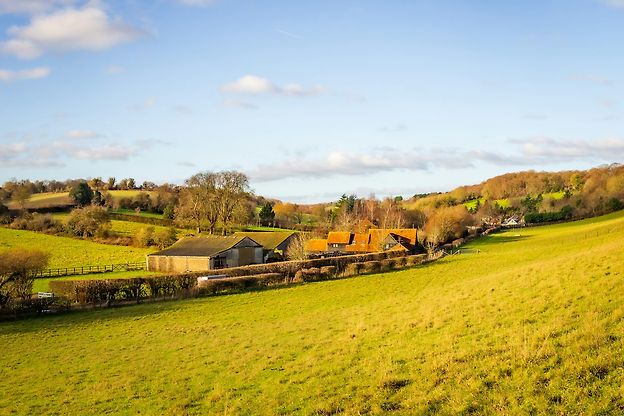
The boom peaked in the early nineteenth century. Between 1790 and 1825, by the Board's count, more than 200 new mills opened in the south Cotswolds, and most of the big stone mills that survive in Stroud parish date from the first 30 years of that century. Weavers still worked at home: at Chalford the cottages climb the hillside on the old rack-hills where the cloth was stretched, and the mills of Uley and Wotton-under-Edge made cloth for army uniforms.
The Cotswolds Info newsletter
Events, new places and the best of the season, about once a month. Unsubscribe at any time.
The decline
The fall came fast. A weavers' strike in 1825 was followed by a financial panic and a deep depression, and 16 firms went bankrupt in 1826. The Stroudwater Textile Trust counts 133 mills at work in 1831 and 77 by 1841, 28 woollen factories by 1870 and 17 cloth mills in a directory of 1900. A factory inspector of the day observed that manufacturers were diminishing in the West and increasing in the North.
The Trust puts it down partly to a trade slow to move from heavy broadcloth to the lighter cloths the market wanted, and partly to high tariffs abroad. Painswick had 25 mills in 1820, 18 of them working cloth, and by the early twentieth century most had stopped. In Stroud parish, smaller mills turned to corn, sawing, wood-turning or shoddy, the cloth reclaimed from rags. Manufacture ended at Longford Mill in 1990, but cloth is still made in Stroud: WSP Textiles, formed in 2011, works across the road from the Clothiers Arms.
Where to see the wool trade today
Start at Northleach, where the woolmen's brasses lie in the church floor and ourwalk to Hampnett and back by the Saltway leaves from the Market Place. In Chipping Campden, the loop from Broad Campden comes along the High Street past Grevel's House and Woolstaplers' Hall, both seen from the pavement only.
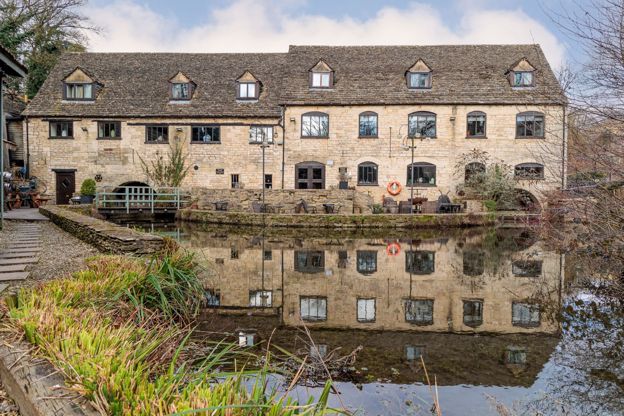
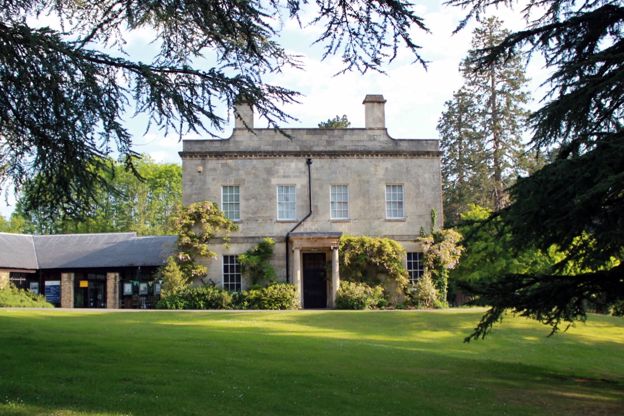
For the cloth, go to the valleys. The Museum in the Park in Stroud is free and tells the story of the district and its mills, closed on Mondays and for a month over Christmas and New Year. Dunkirk Mill near Nailsworth, where an 1855 waterwheel drives the machines that finished the cloth, is closed until the spring, and in the meantime the Stroudwater Textile Trust opens its Gigg Mill weaving shed on set Saturdays through the winter, listed on its open days page. Egypt Mill, which in 1675 had two fulling mills, a gig mill and a dye-house, is now a hotel, and the Toadsmoor valley walk passes an old cloth mill in the beech woods.
Cotswold Woollen Weavers at Filkins, the working mill many guides still send people to, closed to the public in 2026. To see the sheep, the Cotswold Sheep Society lists the shows where its members compete.
Mentioned in this story
The places, sights and walks in this story, each with a page of its own: what it is, when to go and how to get there.
-
Museum in the Park
Museums and galleries · Stroud
-
Cotswold Farm Park
Family days out · Guiting Power
-
Egypt Mill
Inn · Nailsworth
-
Woolstaplers' Hall, Chipping Campden
Sight · Historic building · Chipping Campden
-
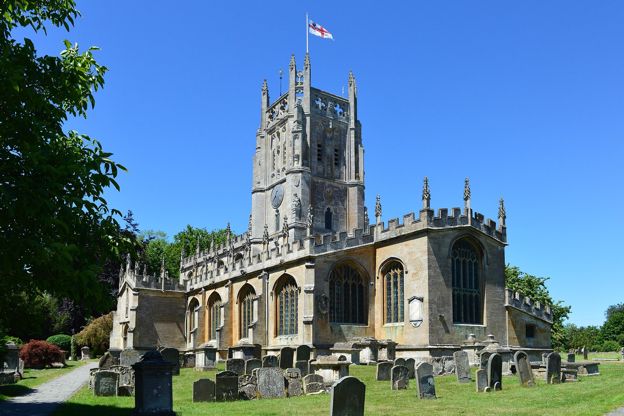
St Mary's Church, Fairford
Sight · Church · Fairford
-
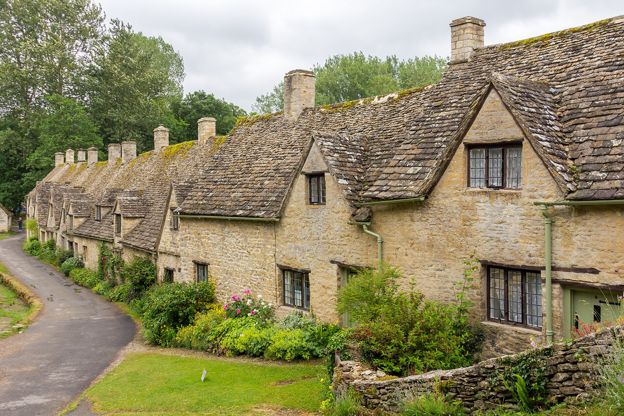
Arlington Row, Bibury
Sight · Historic building · Bibury
-
Toadsmoor Mill
Sight · Historic building · Stroud and the Five Valleys
-
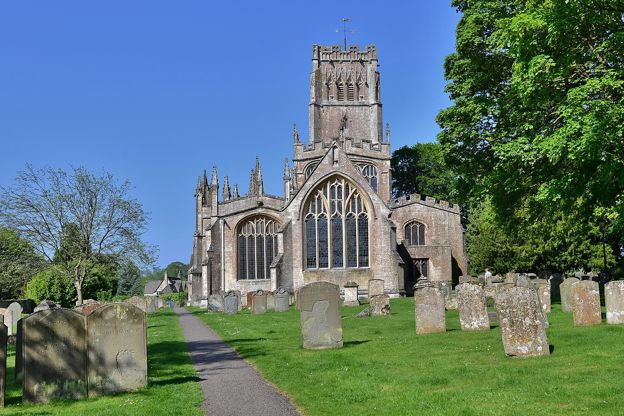
Northleach, Hampnett and the Saltway
Walk · Starts in Northleach · 2 hrs · Circular
-
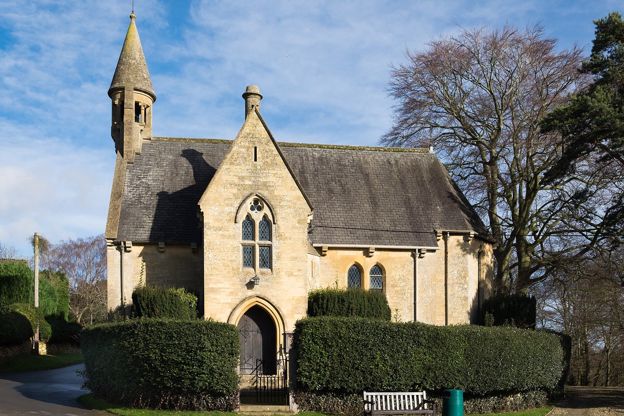
Chipping Campden from Broad Campden
Walk · Starts in Chipping Campden · 1 hr, 15 mins · Circular · Dog-friendly
Places to stay near Northleach
-
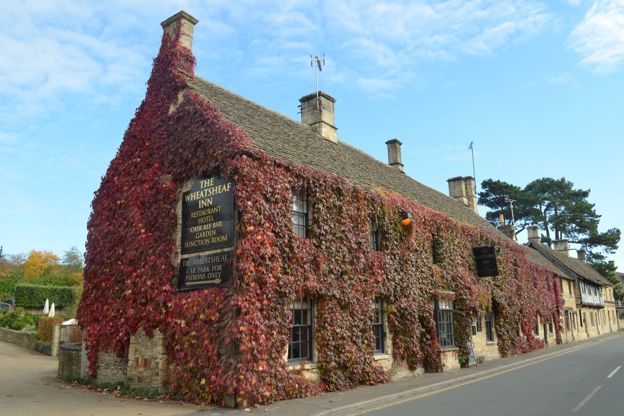
Wheatsheaf Inn
Inn · Northleach
A seventeenth-century coaching inn on West End, Northleach, with 14 bedrooms, a garden and food all day, friendly to families and dogs.
Dog-friendly · Family-friendly · Walker-friendly
Verified Nov 2026
-
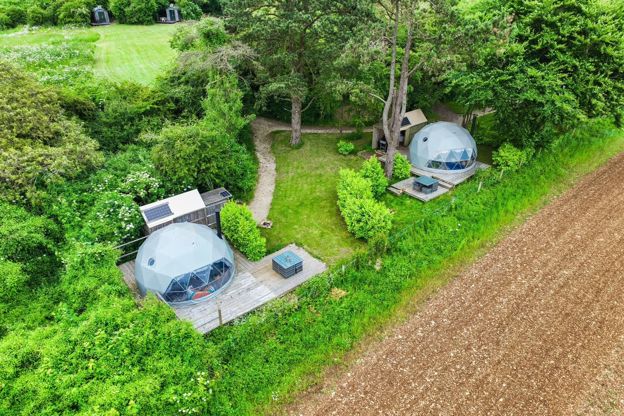
Far Peak Camping
Camping · Northleach
A seasonal campsite with tent and hook-up pitches, tipis, bell tents, shepherd huts and glamping domes beside the Far Peak climbing centre, about a mile from Northleach.
Dog-friendly · Family-friendly
Verified Oct 2026
-
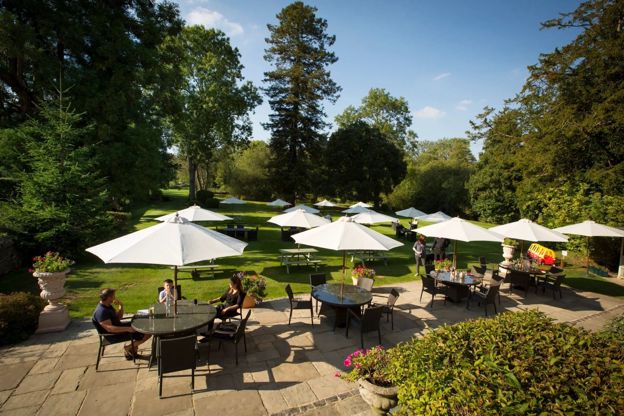
The Inn at Fossebridge
Pubs · Chedworth
An inn, a hostelry since the early seventeenth century by its own account, where the Fosse Way crosses the River Coln, between Cirencester and Northleach, with 4 acres of riverside gardens, log fires and seven rooms.
Dog-friendly · Walker-friendly
Verified Nov 2026
Read next
-
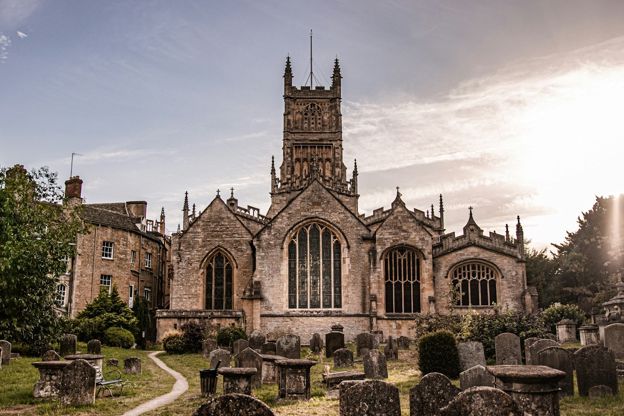
The wool churches of the Cotswolds
Story · Guides · 11 minute read
Northleach, Chipping Campden, Cirencester, Fairford, Burford and the other Cotswold churches rebuilt on medieval wool money: how the trade paid for them, what to look for in each, when they open and a route by car or on foot.
-
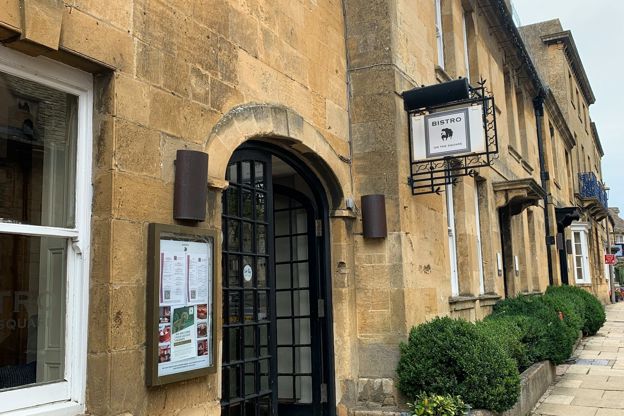
Why Cotswold stone is golden
Story · History · 9 minute read
The Jurassic limestone that built the Cotswolds, the iron that colours it honey in the north and grey in the south, the quarries at Taynton, Barrington, Guiting and Painswick, the stone slate roofs and the dry-stone walls, and where to see each.
-
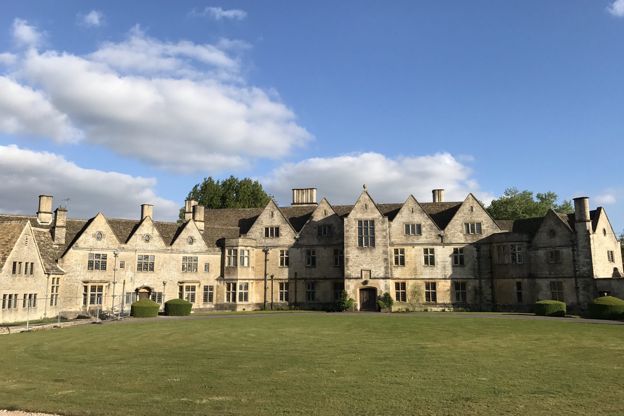
The Arts and Crafts movement in the Cotswolds
Story · History · 10 minute read
How Ashbee's Guild of Handicraft, Gimson and the Barnsleys, Rodmarton Manor, Gordon Russell and the gardens at Hidcote made the Cotswolds a home of Arts and Crafts, and where to see it now.