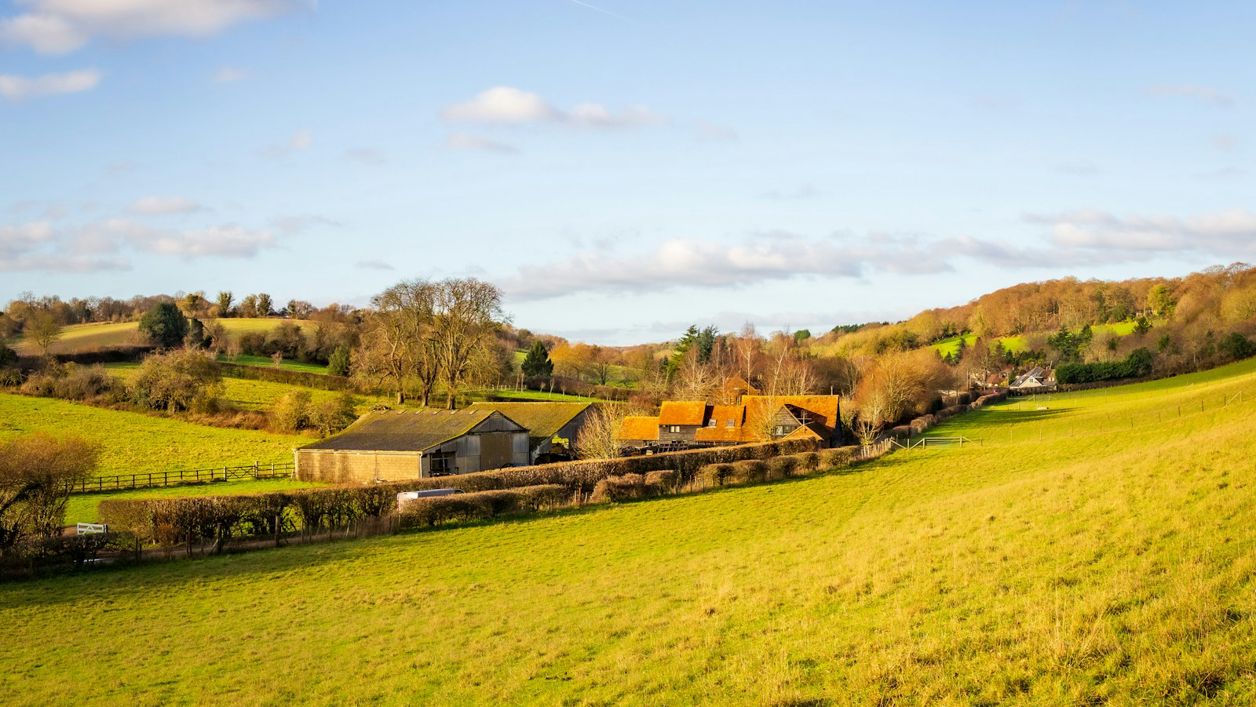
Toadsmoor Mill
Toadsmoor Mill is an early nineteenth-century mill of dressed limestone in the wooded Toadsmoor valley east of Stroud, once a cloth mill known as Upper Toadsmoor Mill, its upper door reached by a timber bridge from the bank. Grade II; now partly a house, seen from the footpath.
Historic building
Stroud and the Five ValleysToadsmoor Mill stands on the floor of the Toadsmoor valley, one of the steep, wooded side valleys that run down to the Frome between Stroud and Chalford, in the Five Valleys. Its listing records an early nineteenth-century cloth mill of coursed and dressed limestone, formerly known as Upper Toadsmoor Mill and now partly a house. It is listed Grade II.
History
Toadsmoor Mill is one of a string of mills that the Toadsmoor brook turned for more than three hundred years, for cloth and corn and later for flock and shoddy. The brook was the western boundary of Bisley parish, and the Victoria County History notes that its mills were usually counted as part of Bisley rather than Stroud. Tradition says the first fulling mill in the district stood on this stream.
Clothiers on the brook
Three mills stood close together at Toadsmoor, probably at Row bridge. The county history traces the uppermost of them, Snow's Mill, probably to 1608, when William Snow held a house, a fulling mill and a grist mill at Row bridge from Bisley manor. Snow's Mill passed to William Hayward in 1690; Hayward was a clothier at Toadsmoor in 1715, and his Upper and Lower Mills were rated by Bisley parish in 1729. In 1813 the mill was held by a Mr Jones, possibly Amos Jones, a woollen manufacturer at Bourne in 1820, and in 1842 Aaron Evans owned and worked it. The listed building, of the early nineteenth century, belongs to this period of the cloth trade, which the valleys around Stroud were known for.
Flock, shoddy and ink
As the cloth trade declined the Toadsmoor mills turned to cheaper work. In 1863 William Dangerfield leased the mills to Charles Freeman and Richard Davis of Bristol, makers of shoddy (cloth reclaimed from rags) and mill-puff; William Selwyn made flock and shoddy there from about 1885 into the 1930s. By 1972 only the lower two-storey range on the west side of the Bussage to Bourne road survived, used by a firm making inks. Further down, a middle mill ground corn, by steam from 1885, until the early twentieth century and was demolished by 1972, and the lowest, a small stone building with a house partly of the late seventeenth or early eighteenth century, still stood in 1972. Which of these buildings the county history's account of the highest mill describes is not entirely clear, but the listing's name, Upper Toadsmoor Mill, points to it.
What to see
The mill is seen from outside only, from the public footpath along the valley.
- Two storeys with an attic and cellar, five windows wide, the windows and doorways under shallow segmental arches.
- At the east end, a doorway at upper-floor level reached by a timber bridge from the bank, and a round window high in the east gable.
- A return wing and a lower addition at the west end.
- The beech woods of the valley sides and, upstream, Toadsmoor Pond on the valley floor.
Visiting
Toadsmoor Mill is private and partly lived in, so look from the footpath and respect the occupants' privacy. There is no parking at the mill and we know of no facilities in the valley; the paths through the woods are steep and can be muddy after rain. Walkers on AllTrails reported forestry felling and path closures in Toadsmoor Woods in the summer of 2026, so follow any diversion signs.
Getting there
The mill is best reached on foot. Our Eastcombe and Toadsmoor valley walk drops from Eastcombe through the beech woods to Toadsmoor Pond and follows the valley side down past the mill towards Bourne in the Golden Valley.
Nearby
The Toadsmoor brook runs down to the River Frome, the river that powered the cloth mills of the Golden Valley; the Painswick Stream north of Stroud is another of the valley streams that worked mills. Across the Golden Valley are Rodborough Common and Minchinhampton, with Holy Trinity Church, and to the north the Slad valley and Swift's Hill.
Walks past Toadsmoor Mill
-
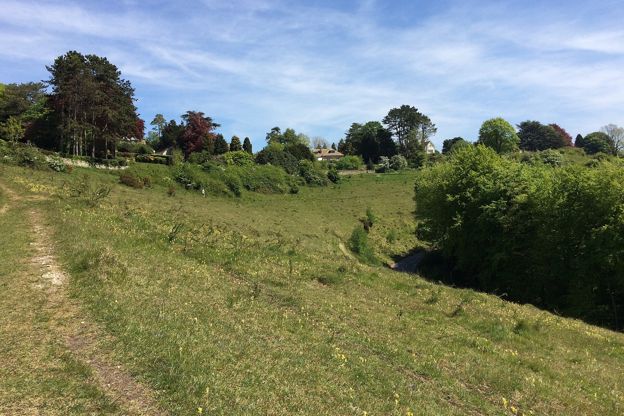
Rodborough Common and the fort
Walk · Starts in Stroud and the Five Valleys · 45 mins · Circular · Dog-friendly
A 2-mile (3.4km) circular walk on Rodborough Common above Stroud, easy, nearly level and about 45 minutes: up to the battlemented folly of Rodborough Fort, down the open western edge, and back past the Bear and an ice-cream stop. Grassy, and grazed by cattle.
Stay and eat near Toadsmoor Mill
-
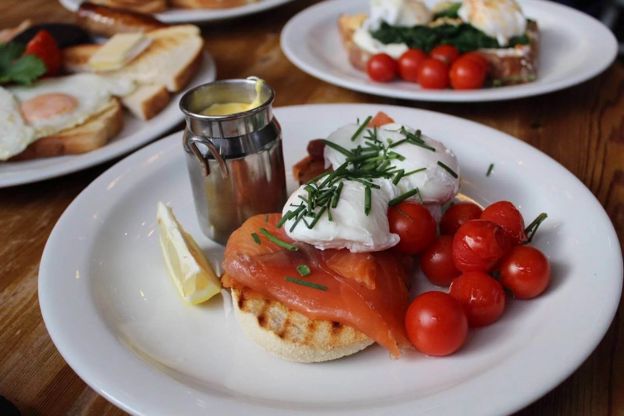
Lavender Bakehouse and Coffee Shop
Cafes and tearooms · Chalford
A café and bakery on London Road, Chalford, by the Thames and Severn canal, open every day from 10am to 4pm for breakfast, lunch, cakes baked on the premises and afternoon tea.
Verified Oct 2026
-
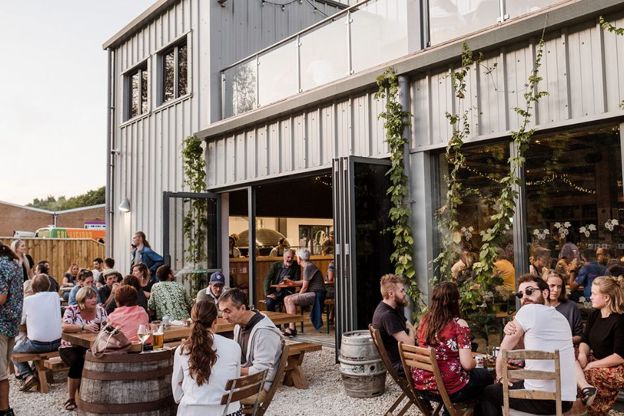
Stroud Brewery
Breweries and distilleries · Stroud
An organic brewery and taproom beside the Thames and Severn Canal at Thrupp, Stroud, founded in 2006, with wood-fired pizza, monthly brewery tours and tasting sessions.
Dog-friendly · Family-friendly
Verified Nov 2026
-
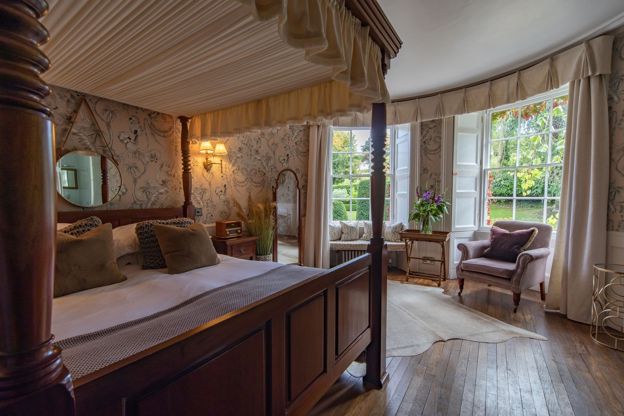
Burleigh Court
Hotel · Minchinhampton
A Grade II listed country house hotel below Minchinhampton Common, above the Golden Valley, with 18 rooms, a two-rosette restaurant and a garden spa with a sauna, hot tub and plunge pool.
Dog-friendly · EV charging · Wedding venues
Verified Oct 2026
Stories about Toadsmoor Mill
-
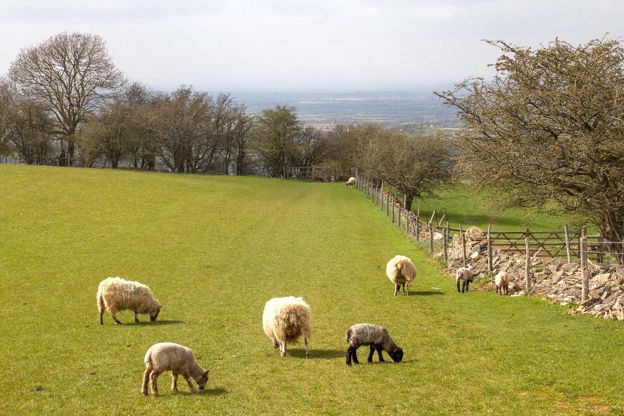
The Cotswold wool trade
Story · History · 9 minute read
How the Cotswold sheep made the hills rich: the medieval export of raw wool through the Staple at Calais, the woolmen of Campden, Northleach and Fairford, the cloth mills of the Stroud valleys, the decline, and where to see it all today.
More sights to see
-
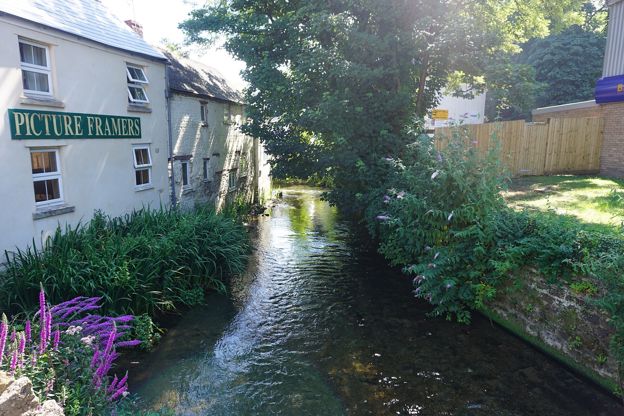
River Frome, Stroud
Sight · River · Stroud
The River Frome runs along the bottom of Stroud, where four streams join it to make the town's five valleys. It drove the mills of the Stroud cloth trade, and today a riverside path through Frome Banks and the canal towpath follow it below the town.
-
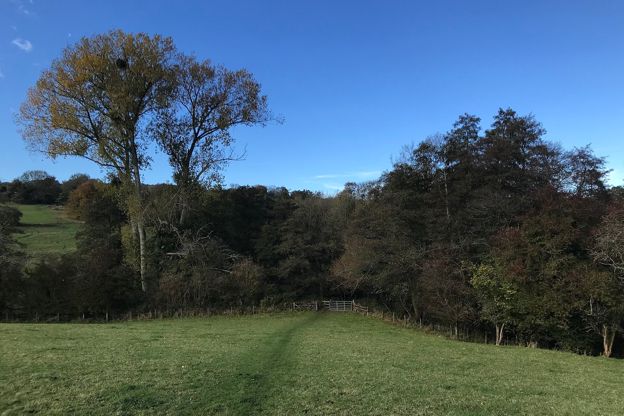
Painswick Stream
Sight · River · Painswick
The Painswick Stream runs south in the valley below Painswick to the River Frome at Stroud. It drove the town's cloth trade: 25 mills stood in the parish in 1820. Footpaths follow it past Loveday's Mill, Skinners Mill and Kingsmill, old mills that are now homes.
-
Rodborough Common
Sight · Common or park · Stroud and the Five Valleys
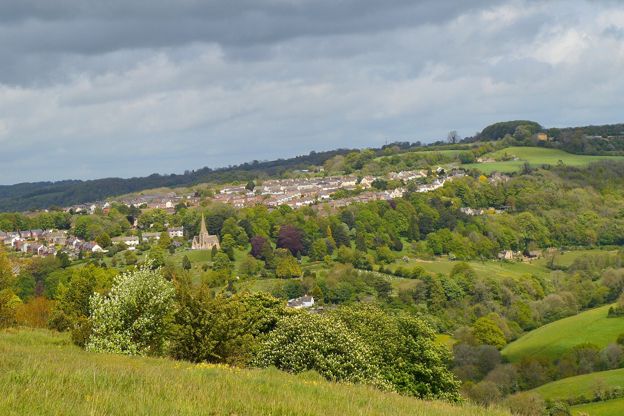
Open limestone grassland on the hill between Stroud and the Golden Valley, owned by the National Trust, known for rare pasqueflowers in spring, early purple orchids in May and over 30 kinds of butterfly, grazed by commoners’ cattle, with Rodborough Fort on its brow.