Things to do · Nailsworth
Dunkirk Mill Museum
The Stroudwater Textile Trust's working mill museum near Nailsworth, where an 1855 waterwheel drives cloth-finishing machinery. Closed until spring 2027; normally open on set afternoons from April to September.
Car-free
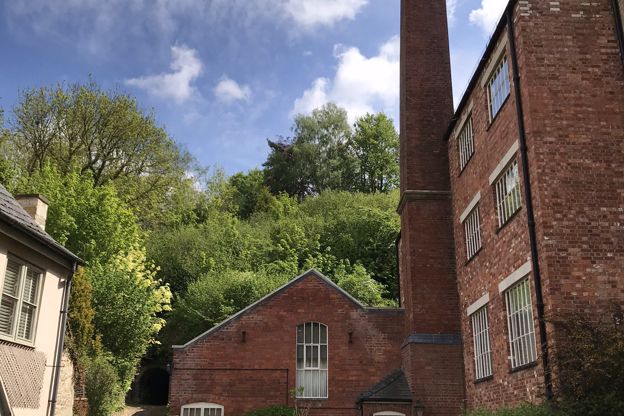
The clearest way to see how the Stroud valleys made their money: a waterwheel 4m across turning the machines that finished the cloth. Closed until spring 2027; when it reopens, book a guided visit.
- Good: Guided 45-minute visits at 2pm and 3pm
- Good: Under-8s free; under-18s and students £2
- Good: Fully accessible for wheelchair users, with an accessible toilet
- Worth knowing: Closed until spring 2027
- Worth knowing: Book ahead: walk-ins can be turned away when full
- Worth knowing: The wheel may not run when rainfall is low
About
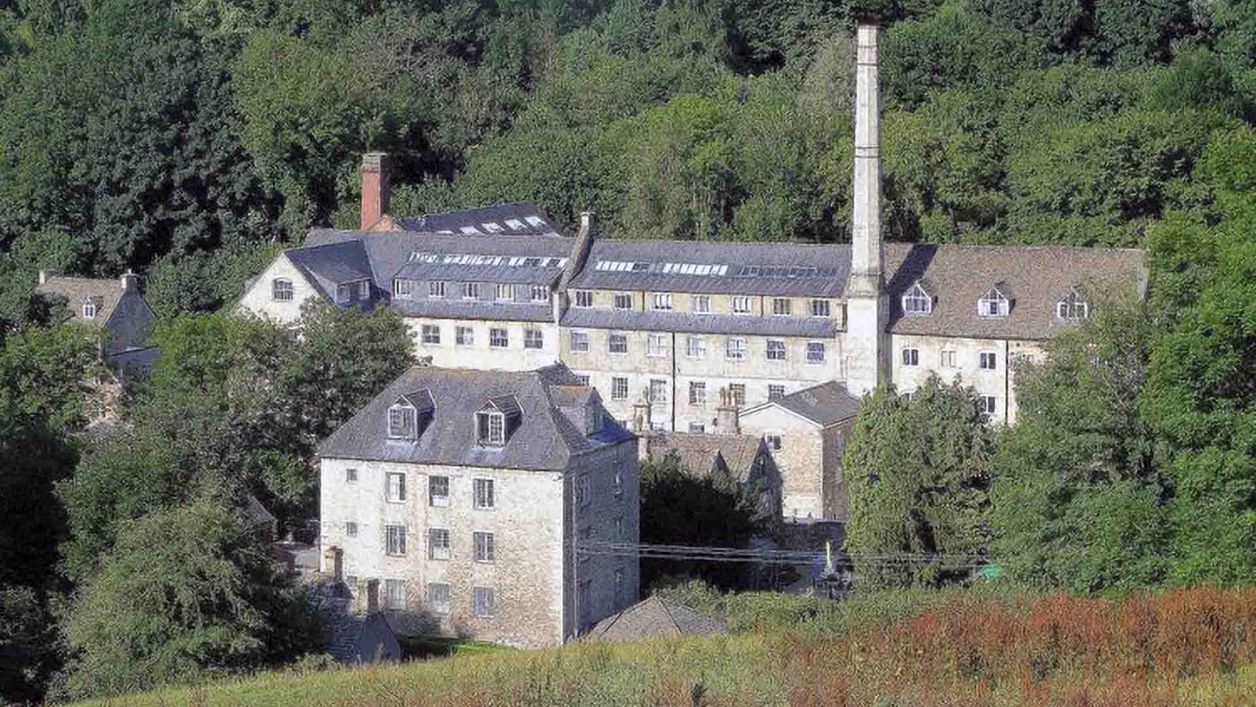
Dunkirk Mill Museum is the Stroudwater Textile Trust's working museum in a corner of the Dunkirk Mills site on the A46 just north of Nailsworth. Its overshot waterwheel, about 4m across and nearly as wide, installed in 1855 by James Ferrabee of Stroud, turns on open days to drive the machines that finished woollen cloth. Arts Council England fully accredits the museum.
Volunteer guides demonstrate the machinery, among it an early nineteenth-century cross-cutter for shearing cloth that once worked at Wallbridge Mill near Stroud, and an exhibition traces the Dunkirk Mills site through the eighteenth and nineteenth centuries. The wheel turns only when there is enough water in the Nailsworth Stream, so in a dry spell it may stand still.
The mill is closed until spring 2027. In a normal season it opens on set days from April to September, with 45-minute guided visits at 2pm and 3pm. Space is limited, so book ahead: walk-ins can be turned away when a visit is full. Adults pay £7, under-18s and students £2, and under-8s go free (2026); children must come with an adult, and Trust members go free but still book a members' ticket.
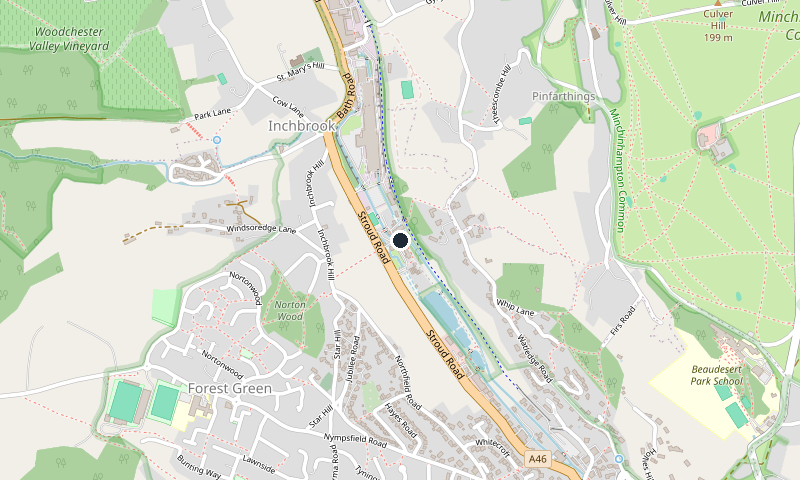
Park at Egypt Mill and walk about 15 minutes along the cycle track on the old railway, with steps down under the old railway tunnel; Blue Badge holders can park beside the museum. Until Dunkirk reopens, the Trust's Gigg Mill weaving shed on the Old Bristol Road, with historic looms including a power loom and a chance to try weaving, opens on set Saturdays: 14 November 2026, then 23 January, 20 February and 20 March 2027, with guided visits at 10am and 11am.
Opening hours and season
Closed until spring 2027. Normally open on set days, April to September; guided visits 2pm and 3pm. Gigg Mill opens on set winter Saturdays (14 November 2026; 23 January, 20 February, 20 March 2027).
Facilities
- Egypt Mill car parkRegister your plate inside, then 15 minutes on the cycle track; Blue Badge parking by the museum
- Accessible toilet
- Wheelchair accessibleThe museum is fully accessible for wheelchair users
- Assistance dogsOther dogs at the lead guide's discretion
The details
- Time to allow
- A 45-minute guided visit
- Features
- Guided tours
- History
- Waterwheel installed in 1855 by James Ferrabee of Stroud
- Parking
- Park at Egypt Mill in Nailsworth and register your number plate inside, then walk about 15 minutes along the cycle track. Blue Badge holders park beside the museum.
- Without a car
- Buses on the A46 stop at Dunkirk Mill; follow the driveway towards visitor parking to reach the museum. Stroud station is about 3 miles (5km) away.
Photos
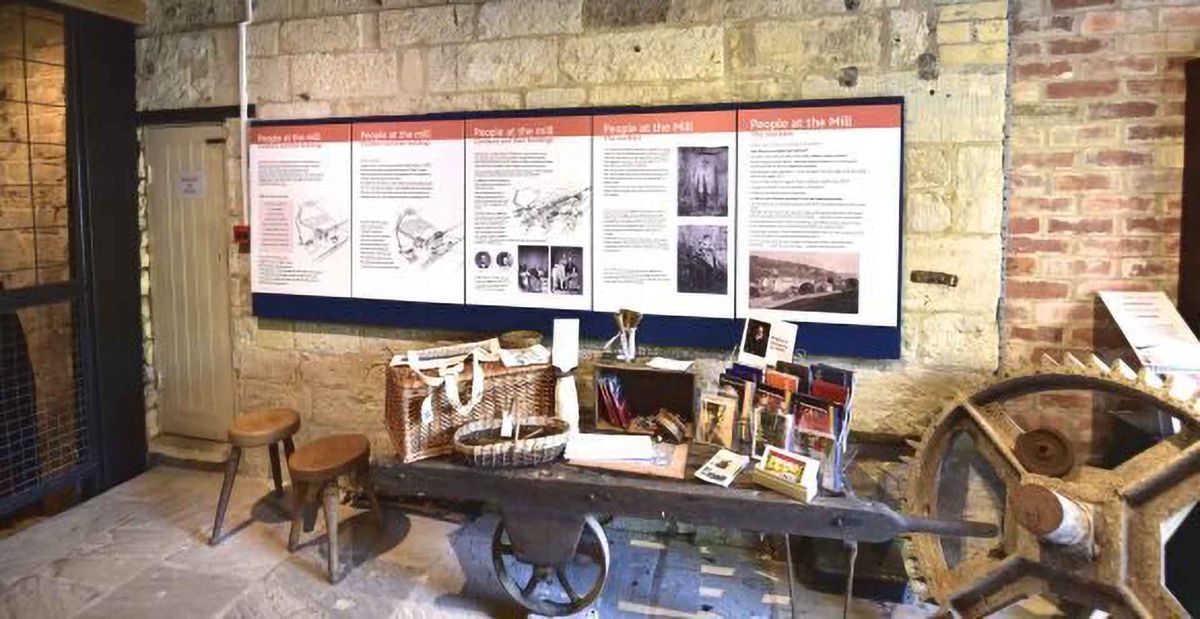
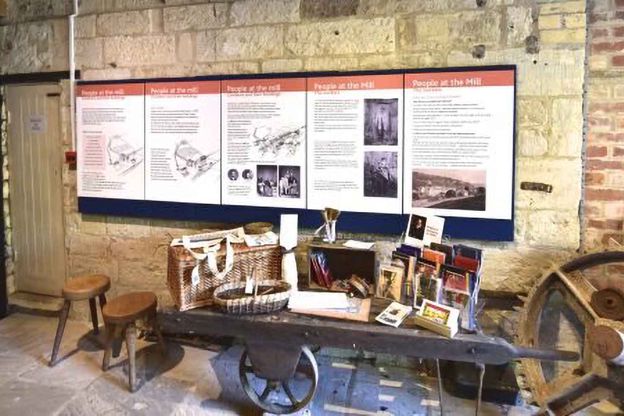
Inside the museum 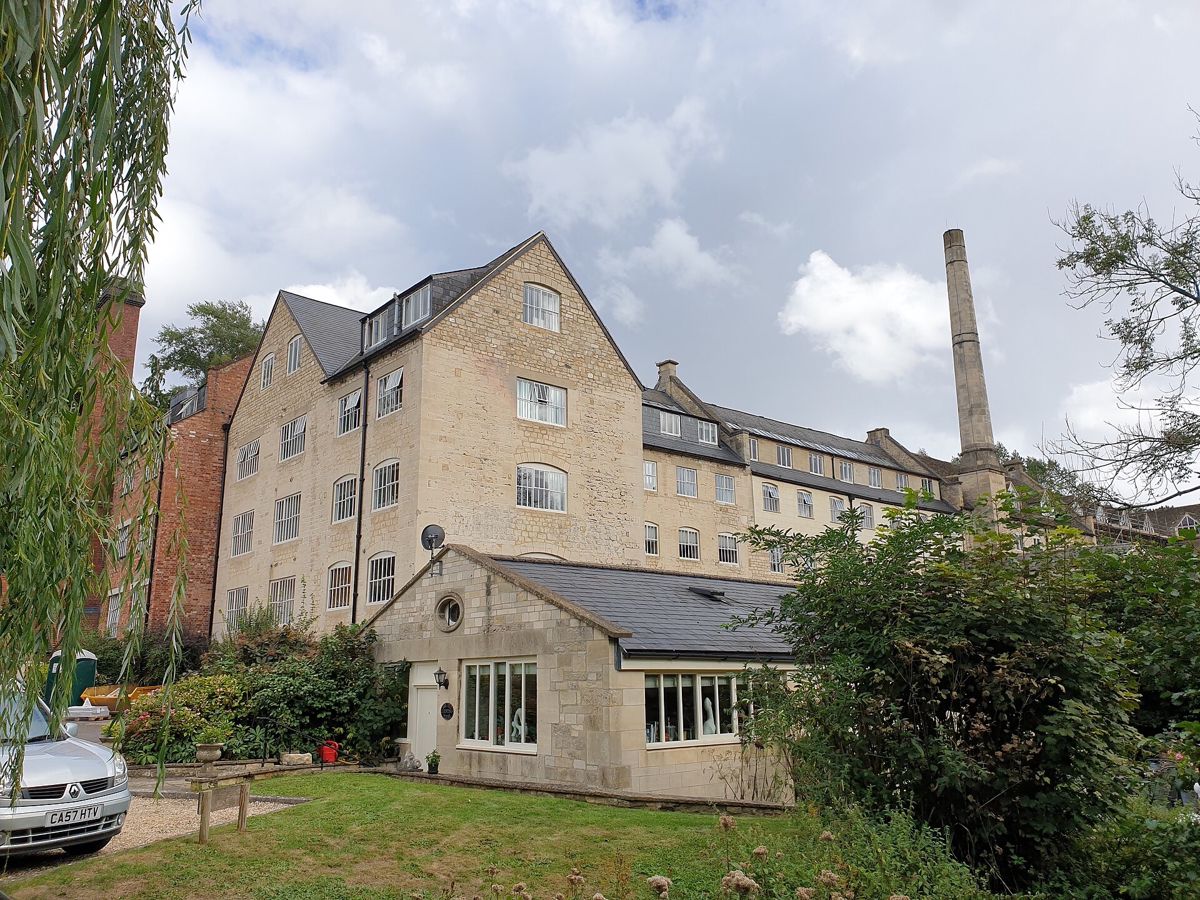
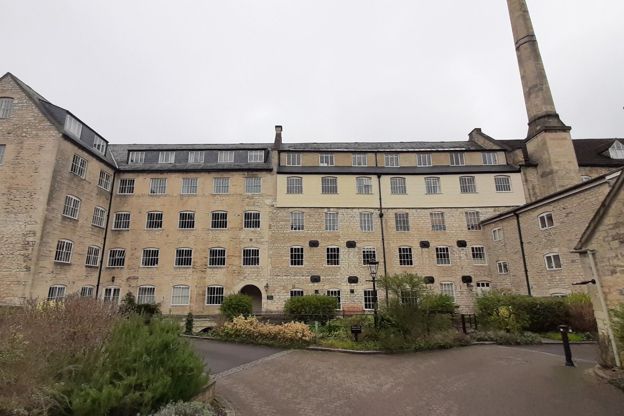
The mill from the courtyard Photo: OrangeStarling1997, CC BY-SA 4.0, via Wikimedia Commons 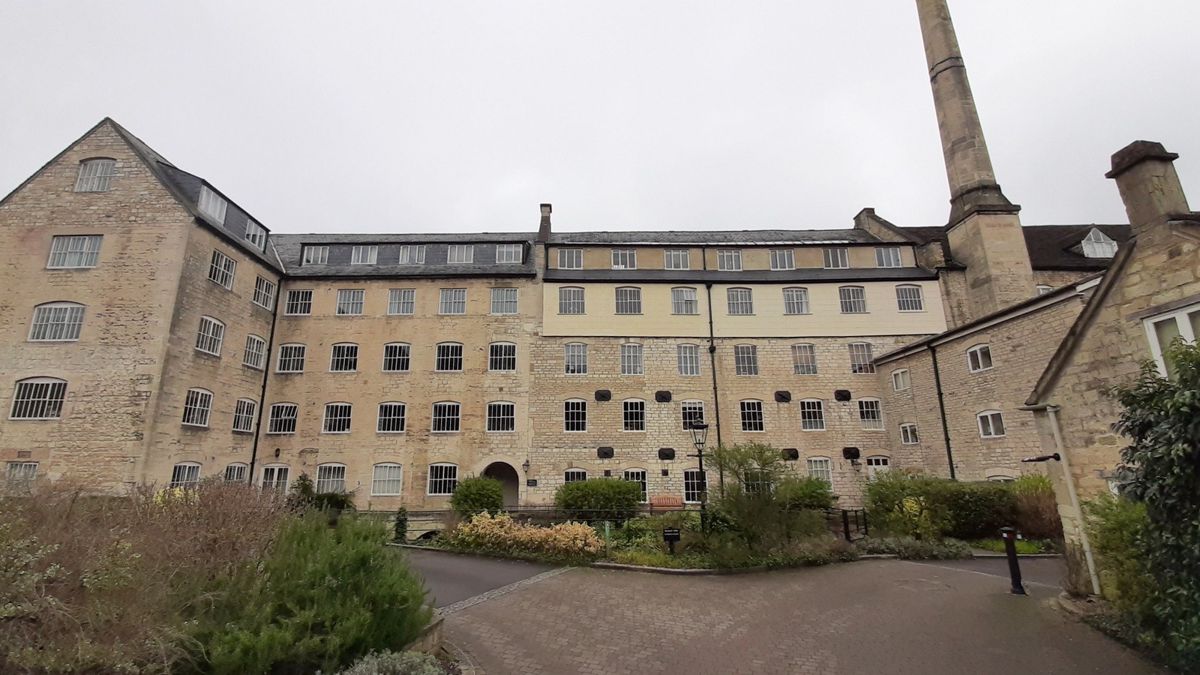
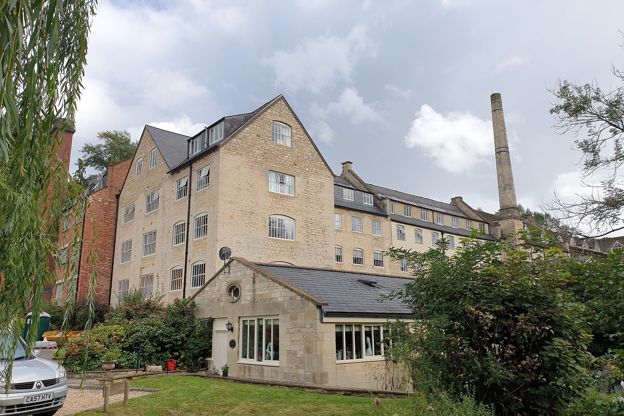
The mill buildings Photo: Jonathan Billinger, CC BY-SA 2.0, via Wikimedia Commons 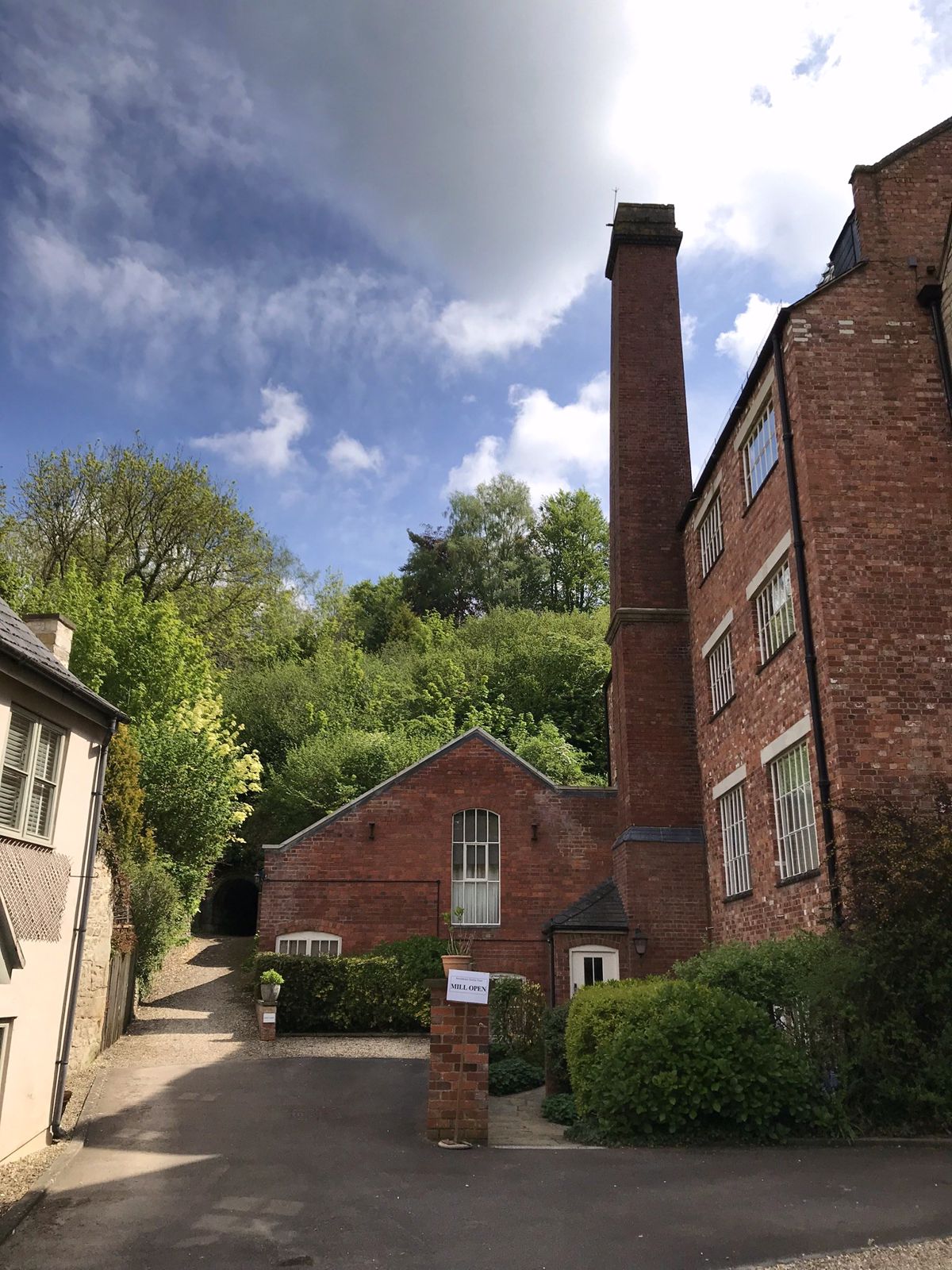
The way in on an open day Photo: don cload, CC BY-SA 2.0, via Wikimedia Commons
Location
Accessibility
- Step-free access
- Accessible toilet
- Assistance dogs welcome
The museum is fully accessible for wheelchair users, with an accessible toilet, and Blue Badge holders can park beside it. The walking route from Egypt Mill has steps down under the old railway tunnel.
Places to stay nearby
-
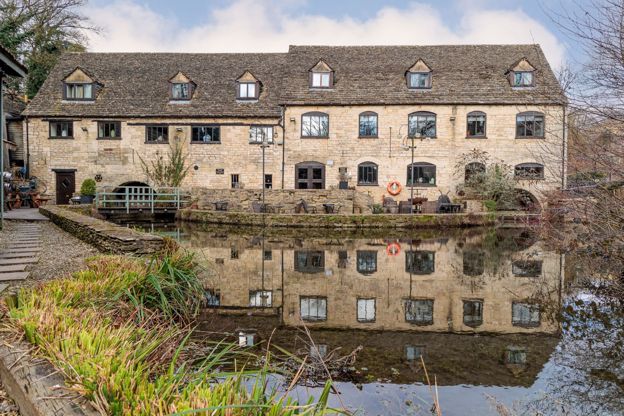
Egypt Mill
Inn · Nailsworth
A Grade II* listed former mill in Nailsworth, with its waterwheel and mill pond, now a hotel, pub and restaurant with 28 bedrooms, open from breakfast every day.
Dog-friendly · Family-friendly · Wedding venues
Verified Nov 2026
-
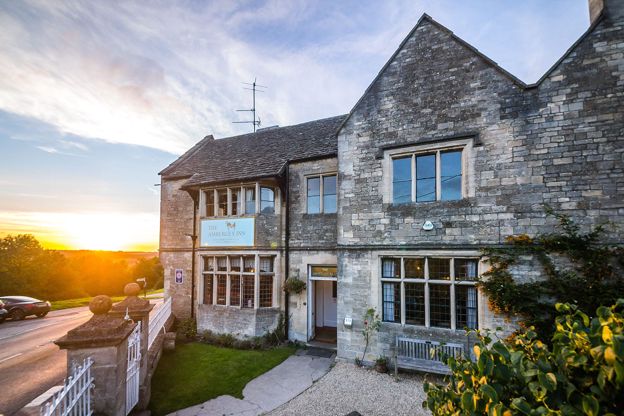
The Amberley Inn
Inn · Nailsworth
An inn with 13 en-suite rooms on the hillside above the Woodchester valley at Amberley, near Nailsworth and Stroud, which describes itself as a restored 16th-century inn.
Dog-friendly · Family-friendly
Verified Nov 2026
-

The Old Lodge
Inn · Nailsworth
An inn with six rooms on Minchinhampton Common, about two miles by road from Nailsworth, breakfast included and food all day.
Walker-friendly
Verified Nov 2026
Nearby walks, places and things to do
- Egypt Mill 0.8 km away
- Waterloo House 1.0 km away
- Hobbs House Bakery, Nailsworth 1.0 km away
- The Olive Tree, Nailsworth 1.0 km away
Sights nearby
-
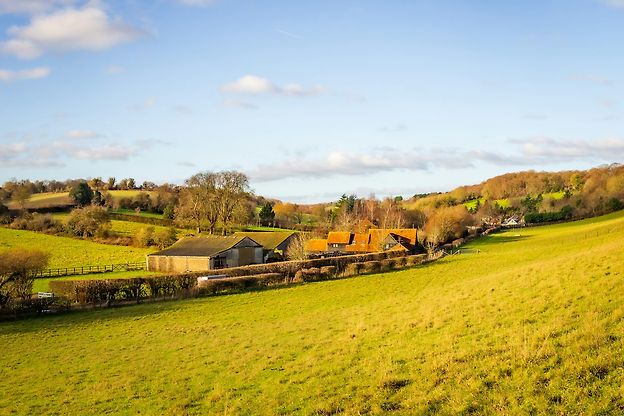
Whitfield's Tump, Minchinhampton Common
Sight · Hill fort or barrow · Minchinhampton
Whitfield's Tump is a Neolithic long barrow on Minchinhampton Common, a low mound 26m long where early farmers buried their dead, named from the tradition that the preacher George Whitefield spoke from it in 1743. A scheduled monument on free National Trust land.
-
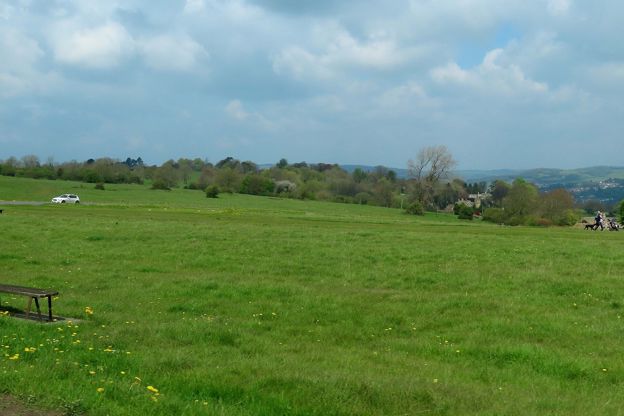
Minchinhampton Common
Sight · Common or park · Minchinhampton
Minchinhampton Common is a wide sweep of limestone grassland above Stroud and Nailsworth, in the care of the National Trust since 1913, where commoners' cattle graze and an Iron Age bank, a long barrow, pillow mounds and wartime trenches lie in the turf. Free to wander.
-
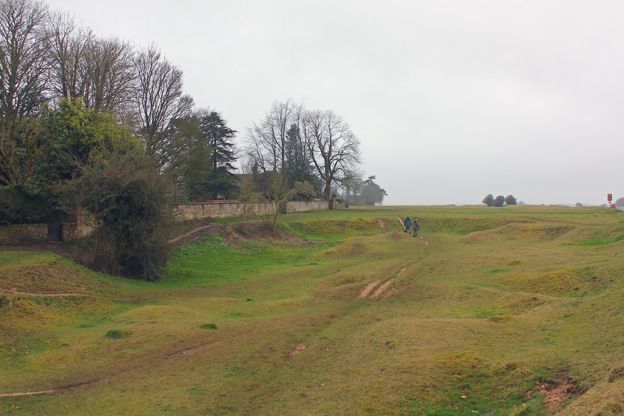
The Bulwarks, Minchinhampton
Sight · Hill fort or barrow · Minchinhampton
The Bulwarks is a Late Iron Age bank and ditch that sweeps across Minchinhampton Common north and north-west of the town: a bank 10m to 12m wide with a stone face, dated by pottery found in the 1937 excavation. It lies on free National Trust common land.
-
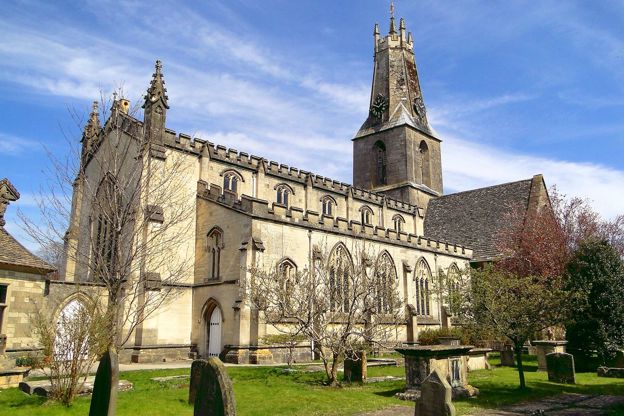
Holy Trinity Church, Minchinhampton
Sight · Church · Minchinhampton
Holy Trinity is Minchinhampton's Grade I parish church, known for its fourteenth-century tower whose spire was cut short in 1563 and crowned with a stone coronet, a south transept lit by a great rose window, and the grave of the astronomer James Bradley.