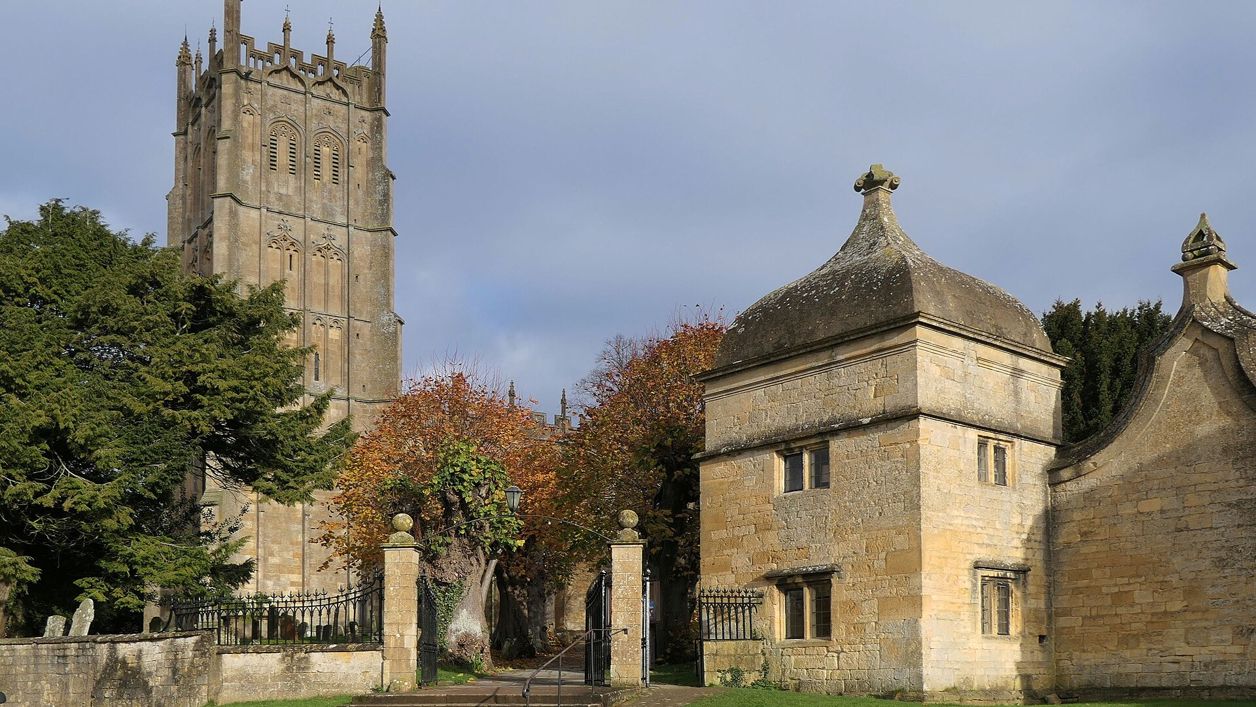
amandabhslater, CC BY-SA 2.0, via Wikimedia Commons
St James's Church, Chipping Campden
Chipping Campden's wool church at the end of Church Street: a soaring fifteenth-century tower, William Grevel's brass of 1401, Sir Baptist Hicks's marble tomb and a medieval cope and altar hangings. Grade I, open to visitors most days.
Church
Chipping CampdenSt James's stands at the end of Church Street in Chipping Campden, its tall Perpendicular tower visible from far along the valley. It is one of the great Cotswold wool churches, mostly rebuilt in the fifteenth century with money from the wool trade, and it holds the brass of William Grevel and the tomb of Sir Baptist Hicks. It is listed Grade I.
History
St James's was rebuilt by wool money on the site of a Norman church. Historic England's listing calls it a magnificent wool church and finds parts of the older building inside the new one: Norman work, a thirteenth-century south doorway, and fourteenth-century chancel walls over a vaulted crypt. The rest is Perpendicular, of the middle and later fifteenth century.
William Grevel and the wool merchants
William Grevel was probably the richest and most influential Cotswold wool merchant of his day. He held houses and land across Campden and bought manors from Lasborough to Milcote, and in 1397 he lent Richard II 300 marks. His will, made at Campden in April 1401, asked for burial in the church and left 100 marks towards new building work and £200 to pay four chaplains to say masses for ten years. His money, and that of the merchants who came after him, paid for the church you see.
Sir Baptist Hicks
Two centuries later the church gained a second patron. Sir Baptist Hicks, the London mercer who had bought the manor by 1610 and built Campden House beside the church, gave the pulpit in 1612, and is buried in the south chapel. His heir was his daughter Juliana, widow of Edward Noel, second Viscount Campden.
Saving the church
In 1911 the Campden artist F L Griggs helped to save the church from what the town's history society calls an absurd restoration. The glass in the eastern clerestory window is by Hardman.
What to look for
Start outside with the west tower, five stages high, with thin pilaster strips running its full height and joined by ogee arches at the parapet; the listing calls it the epitome of the Perpendicular style. Inside, the nave arcade is tall and light, its concave octagonal piers possibly the work of Henrie Winchcombe, who may also have worked at Northleach. Then look for:
- The brass of William Grevel and his first wife Mariona in the chancel floor, about 1.6m long, calling him the flower of the wool merchants of all England
- Sir Baptist Hicks's tomb under a marble canopied monument in the south chapel, possibly by Nicholas Stone
- Juliana Noel's monument of 1664 by Joshua Marshall, with standing effigies at the doors of heaven
- An Elizabethan strapwork monument to Thomas Smythe, who died in 1593
- The pulpit of 1612 and the brass eagle lectern
- The medieval embroidered cope and the set of altar hangings shown under the tower, which the church says are thought to be the oldest complete set in the country still in their original church
Outside, the path from Church Street to the porch runs between seventeenth and eighteenth-century headstones, and the ogee-capped gate lodges of Old Campden House stand beside the churchyard.
Visiting
St James's is open to visitors most days, with entry free and donations welcome. When we checked, the church's home page gave 11am to 4pm from Monday to Saturday in spring and summer and 11am to 3pm in autumn and winter, with Sunday opening from 12.30pm; its other pages give slightly different times. Funerals, concerts and Saturday weddings can limit visiting, so check with the church office before a special trip.
A Church Near You lists a ramp in the porch that can be used at any time, a hearing loop, large print and toilets. Guided tours can be arranged, and leaders of organised groups are asked to contact the office before they come. The church holds concerts through the year and a music festival in May.
Getting there
By car, park in Back Ends, where the Cotswolds National Landscape asks walkers to park, or in the Market Square car park on the High Street (GL55 6AW), free for 20 minutes and then charged from 7am to 7pm by card or phone, then walk down Church Street, about 600m from the Market Hall. Stagecoach buses 1, 1A, 2 and 2A run between Stratford-upon-Avon and Moreton-in-Marsh station through the town, about every one to two hours from Monday to Saturday, with a few on Sundays.
On foot, Chipping Campden from Broad Campden, a 3.3-mile (5.3km) loop, comes into the town by the church and the gateway of Old Campden House. The Cotswold Way starts at the Market Hall at the other end of the High Street.
Nearby
Next door are the lodges and gateway of Old Campden House, and Court Barn, the museum of the Arts and Crafts makers in Campden. The almshouses line Church Street on the way back to the High Street, past the Eight Bells inn, a few steps from the almshouses. On the High Street are Grevel's House, Woolstaplers' Hall and the Market Hall, and the Bantam Tea Rooms for tea. Our story on the wool churches of the Cotswolds puts St James's beside Northleach, Cirencester and Fairford, and the Campden Wonder tells the town's strangest story.
Walks past St James's Church, Chipping Campden
-
Chipping Campden from Broad Campden
Walk · Starts in Chipping Campden · 1 hr, 15 mins · Circular · Dog-friendly
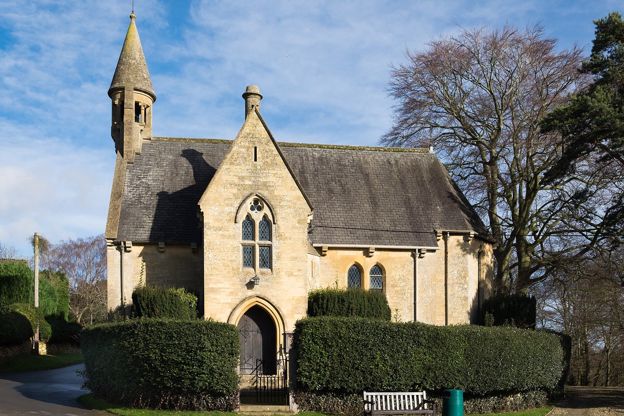
A 3.3-mile (5.3km) circular walk from St Michael's church in Broad Campden, easy and mostly level, in about an hour and a quarter. It draws a figure of eight over the fields to Lady Juliana's Gateway, along Chipping Campden's High Street, by St James's and back.
-
The Cotswold Way
Walk · Dog-friendly
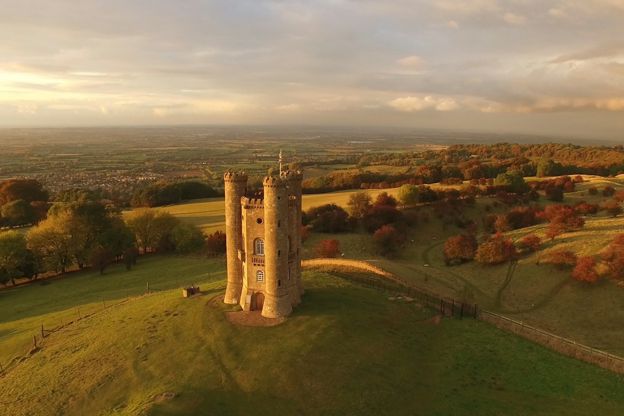
The Cotswold Way is a 102-mile (164km) National Trail walk from Chipping Campden to Bath along the escarpment, in 15 sections; the official guidebook suggests seven to ten days, and its frequent steep climbs make it hard going.
-
Chipping Campden and Dover's Hill
Walk · Starts in Chipping Campden · 3 hrs, 30 mins · Circular
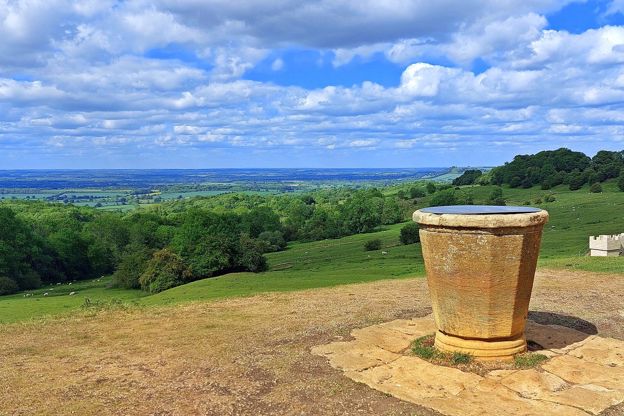
A 4.5-mile (7.2km) circular walk from the Market Hall in Chipping Campden, two and a half to three and a half hours, moderate with steep sections. It climbs the Cotswold Way to Dover's Hill, home of the Olimpicks, and drops through Lynches Wood; a 3-mile version skips the climbs.
Stay and eat near St James's Church, Chipping Campden
-
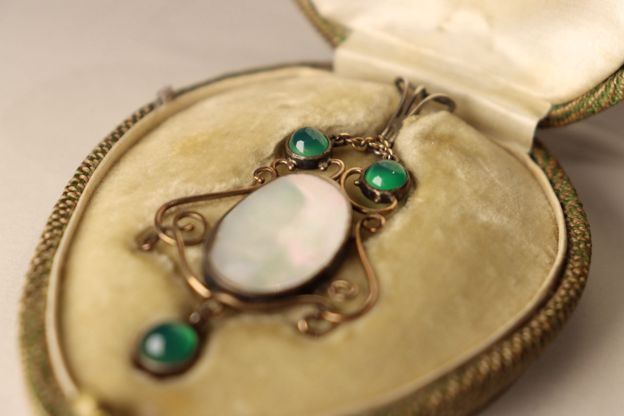
Court Barn Museum
Museums and galleries · Chipping Campden
Chipping Campden's museum of craft and design, telling the story of Ashbee's Guild of Handicraft and the makers who followed, with half price for bus passengers.
Rainy days · Car-free
Verified Oct 2026
-
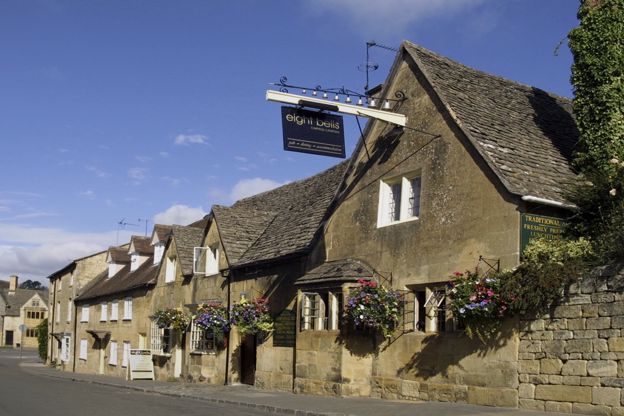
The Eight Bells Inn
Inn · Chipping Campden
A pub with six rooms on Church Street, Chipping Campden, serving lunch and dinner, on Church Street.
Verified Nov 2026
-
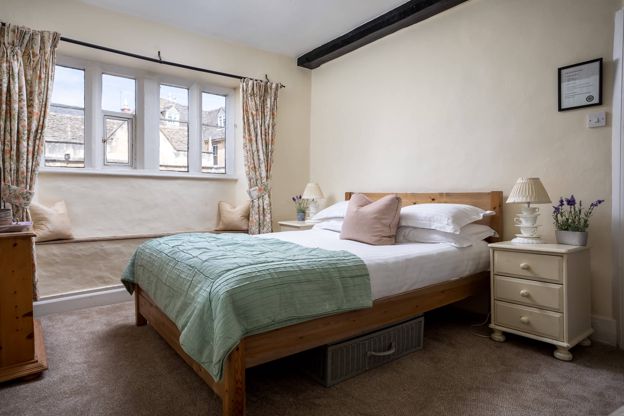
Bantam Tea Rooms
Cafes and tearooms · Chipping Campden
Tea rooms with rooms on the High Street in Chipping Campden, open every day from 9.30am to 5pm.
Verified Oct 2026
Stories about St James's Church, Chipping Campden
-
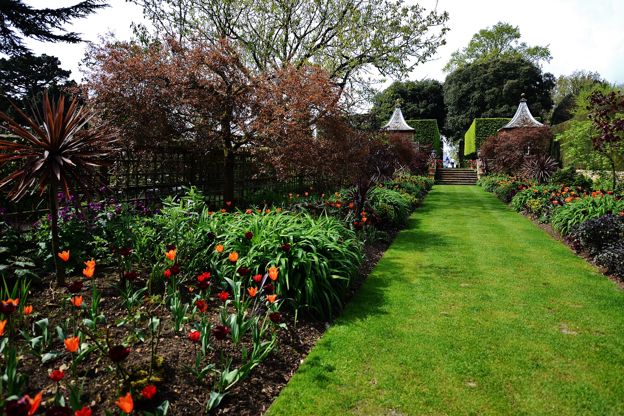
The Cotswolds in May
Story · Guides · 9 minute read
Things to do in the Cotswolds in May: the month of customs, from Badminton and the jazz festival to the Woolsack Races, cheese rolling and the Olimpicks, the last bluebells, gardens in full flower, two bank holidays and half term, and four walks.
-
The Cotswolds on a rainy day
Story · Guides · 10 minute read
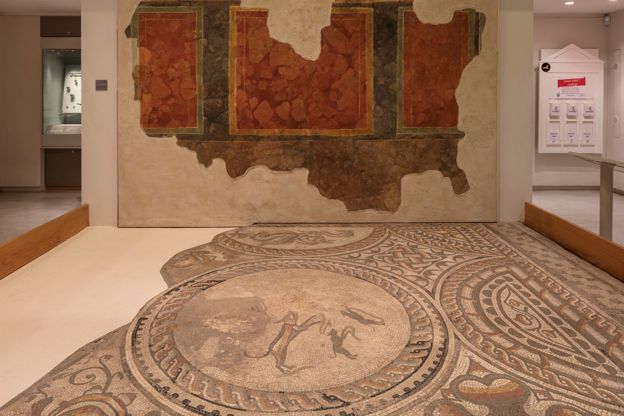
Museums, houses, a steam railway, spas with day passes, cinemas, theatres and pubs with fires: the Cotswolds when it rains, by region, with the free museums, what suits children and the honest bit about the rivers.
-
The wool churches of the Cotswolds
Story · Guides · 11 minute read
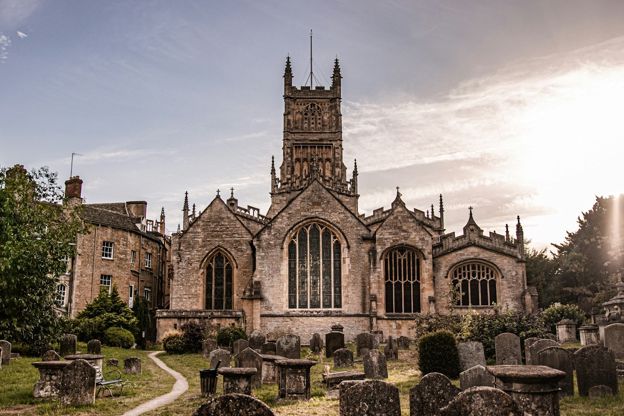
Northleach, Chipping Campden, Cirencester, Fairford, Burford and the other Cotswold churches rebuilt on medieval wool money: how the trade paid for them, what to look for in each, when they open and a route by car or on foot.
More sights to see
-
Old Campden House, Chipping Campden
Sight · Historic building · Chipping Campden
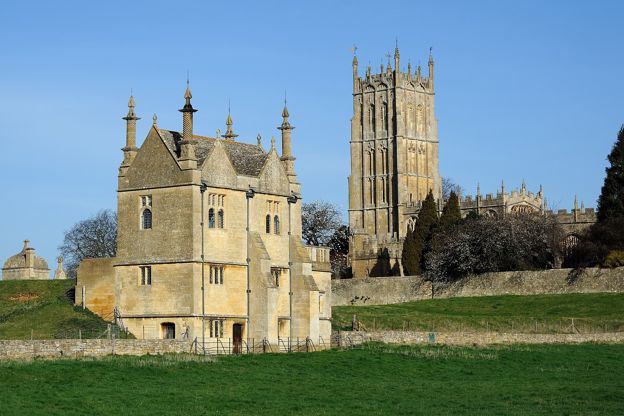
The lodges, gateway and two banqueting houses that survive of Sir Baptist Hicks's great house beside St James's in Chipping Campden, burned by its own Royalist garrison in 1645. The banqueting houses are Landmark Trust holiday lets; the grounds open only on occasional open days.
-
Almshouses, Chipping Campden
Sight · Historic building · Chipping Campden
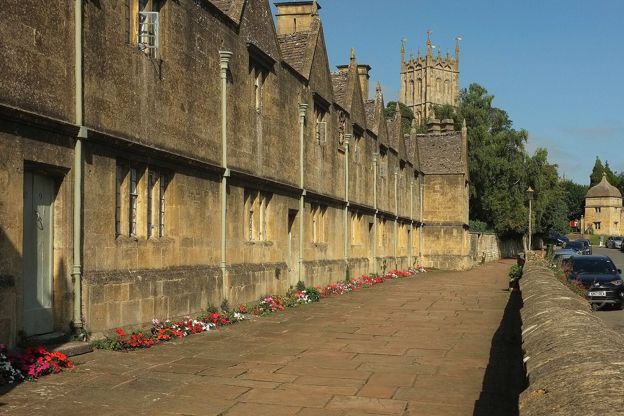
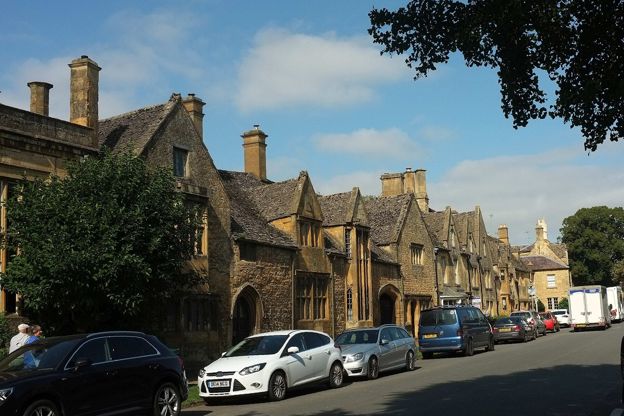
Twelve almshouses on Church Street in Chipping Campden, built in 1612 for Sir Baptist Hicks at a cost of £1,000 on an I-shaped plan said to honour James I, and still homes for older people. Grade I; seen from the street.
-
Grevel's House, Chipping Campden
Sight · Historic building · Chipping Campden
A medieval house on Chipping Campden's High Street with a two-storey Perpendicular bay window under gargoyles, named after William Grevel, perhaps the richest Cotswold wool merchant of his day, who died in 1401. Grade I; a private house seen from the street.