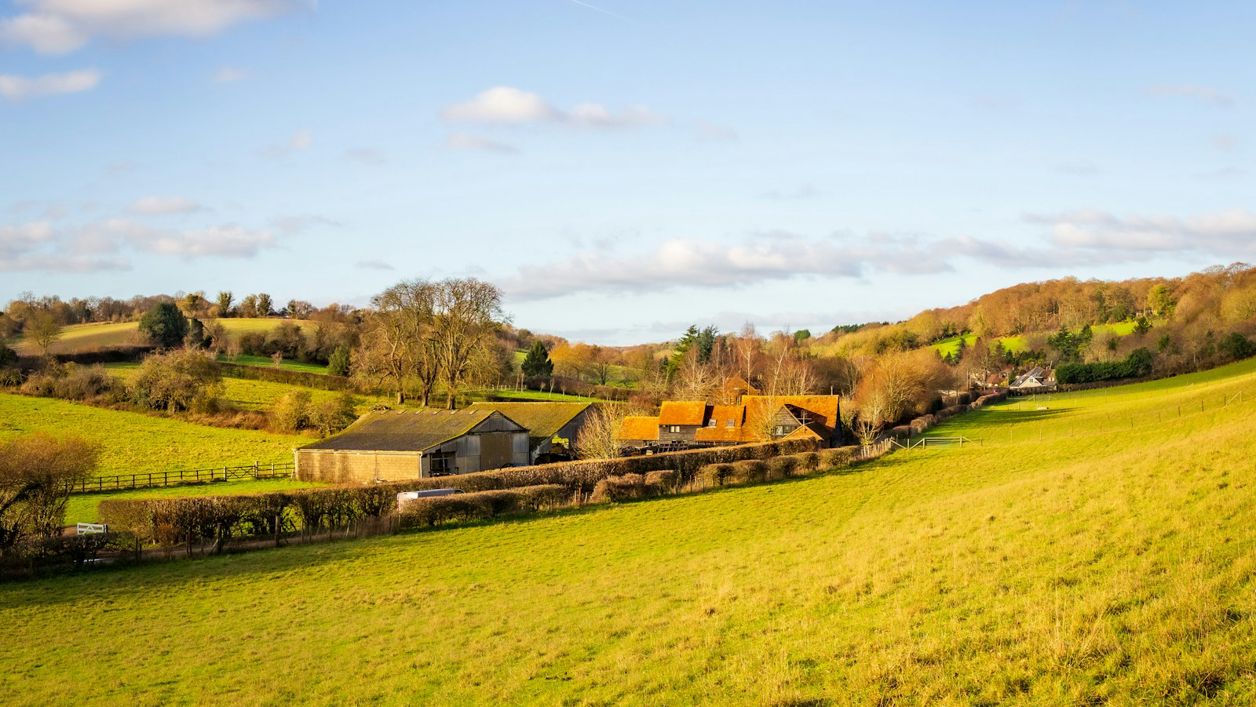
Vineyard Bridge, Winchcombe
Vineyard Bridge is the single stone arch of 1891 that carries Vineyard Street over the River Isbourne in Winchcombe, the last work in the town of the architect J. Drayton Wyatt and the way to Sudeley Castle. Listed Grade II.
Bridge
WinchcombeVineyard Bridge carries Vineyard Street over the River Isbourne at the bottom of Winchcombe. It is a single stone arch built in 1891, the last work in the town of the architect J. Drayton Wyatt, and it is the way from the main street to the gates of Sudeley Castle. It is listed Grade II.
History
The bridge was built in 1891 to give Vineyard Street, the road from Winchcombe to one of Sudeley's principal gatehouses, a proper crossing of the Isbourne. Its listing names two men. John Drayton Wyatt was the architect who had already rebuilt the top of the chancel of St Peter's Church in 1872 and had worked with George Gilbert Scott on the almshouses of Dent's Terrace on Abbey Terrace in 1865; he died in 1891, so the bridge was his last building in the town. The mason was John Oakey, who worked for Emma Dent of Sudeley Castle, for whom and her husband John Coucher Dent those almshouses had been built.
The street is older than the bridge. The walk leaflets for the town say that Vineyard Street was once also known as Duck Street, and that a stump of the town's ducking stool was found when the ground was dug for the new bridge.
What to look for
Vineyard Bridge is a single segmental span of about 6.5m. Look for:
- the mix of stone: ashlar and rock-faced limestone on the face, though the listing says the main arch itself is built of brick;
- the dropped keystone at the crown of the arch;
- the deep moulded parapet and the piers at each end with pyramid caps;
- the walls, which run for about 25m in all, splaying out on both banks.
The verge at either end of the bridge is the safest place to stop and look at the parapet and piers.
Visiting
Vineyard Bridge is a public road bridge, free and open at all times. Vineyard Street is a surfaced road sloping down from the town, so the bridge can be reached with a pushchair or wheelchair, though the road is narrow and carries cars. Stand on the verge rather than in the road to look at it.
Getting there
Vineyard Bridge is at the bottom of Vineyard Street, which turns off Abbey Terrace beside St Peter's. Back Lane car park (GL54 5PZ) is a short walk away, and the 606 bus from Cheltenham stops in the town roughly hourly from Monday to Saturday, as does Stagecoach's W from Cheltenham; neither lists a Sunday service.
On foot, the Cotswold Way crosses the bridge, and so does its section from Winchcombe to Cleeve Hill. The Winchcombe and Belas Knap walk and the loop by Belas Knap and Cleeve Common both leave the town over it.
Nearby
Dent's Terrace and St Peter's Church are a few minutes' walk away on Abbey Terrace, and Sudeley Castle is beyond the bridge; the castle's own holiday homes, Sudeley Castle Cottages, are on the estate. Upstream, the Isbourne comes down from Cleeve Common past St James' Chapel and the tithe barn at Postlip. In the town, the White Hart and the Lion Inn serve food.
Walks past Vineyard Bridge, Winchcombe
-
Cotswold Way: Winchcombe to Cleeve Hill
Walk · Starts in Winchcombe · 2 hrs, 45 mins · Dog-friendly
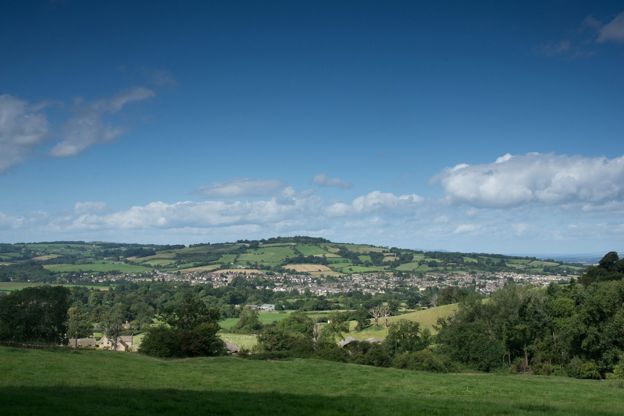
A 5.6-mile (9km) one-way walk on the fourth section of the Cotswold Way, moderate and two and a half to three hours: from Winchcombe by Sudeley up to Belas Knap, down through Breakheart Plantation to Postlip's Norman chapel, then up to the golf club on Cleeve Hill.
-
Winchcombe and Belas Knap
Walk · Starts in Winchcombe · 2 hrs, 45 mins · Circular
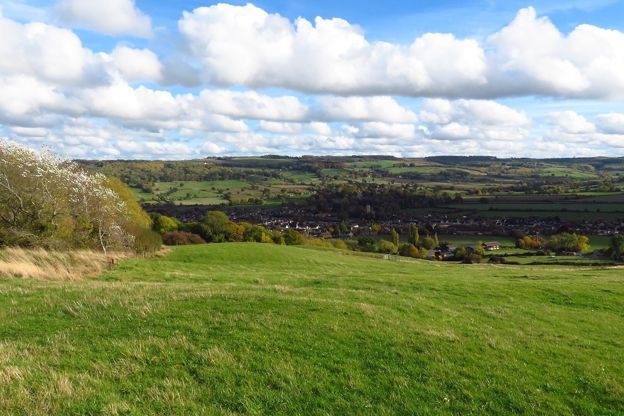
A 5.5-mile (8.8km) moderate loop of two to two and three quarter hours from Winchcombe, up the Cotswold Way and through the woods to Belas Knap, the Neolithic long barrow, then home on the Winchcombe Way by Wadfield Farm and Sudeley, with two stiles and a narrow road.
-
Winchcombe and Sudeley Castle
Walk · Starts in Winchcombe · 1 hr · Circular
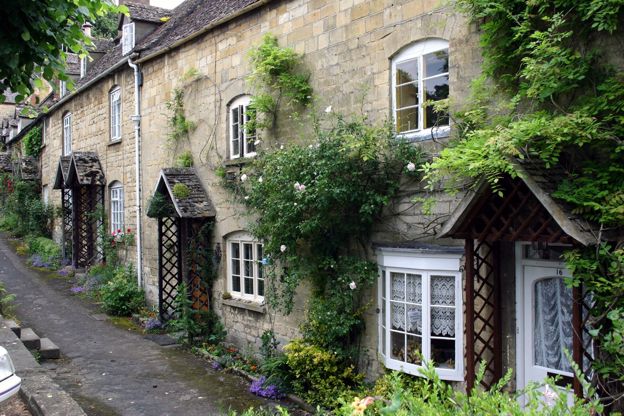
A 2-mile (3.2km) easy circular walk of about an hour from Winchcombe, with no stiles: down Vineyard Street, along the Sudeley Castle drive by the lime avenue and the lake, and back by Rushley Lane and beside the River Isbourne or along Broadway Road.
Stay and eat near Vineyard Bridge, Winchcombe
-
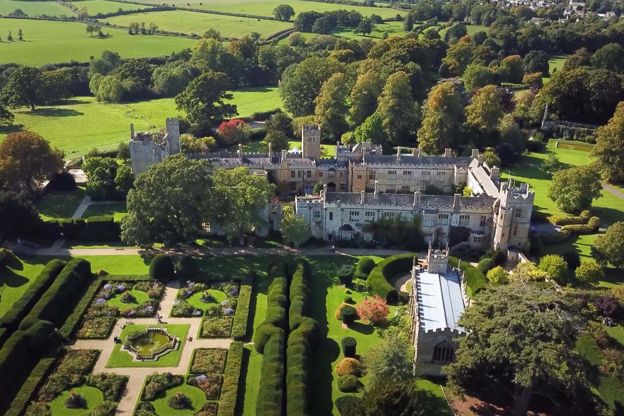
Sudeley Castle and Gardens
Historic houses and heritage · Winchcombe
A castle on the edge of Winchcombe where Katherine Parr, Henry VIII's last queen, is buried, with gardens, a Tudor history and the Dent family's home.
Family-friendly · Walker-friendly
Verified Nov 2026
-
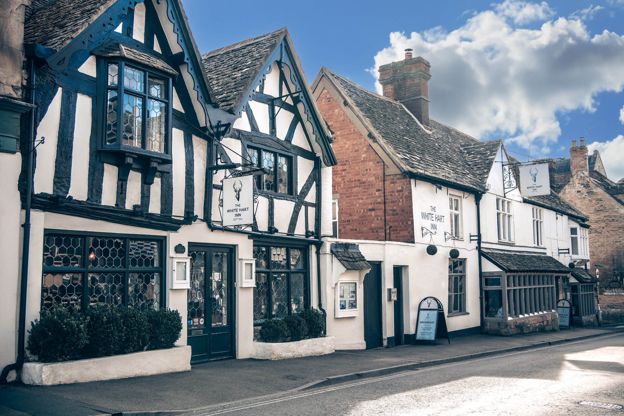
The White Hart Inn
Inn · Winchcombe
An inn with sixteen rooms on Winchcombe's High Street, with dog-friendly rooms and a restaurant and bar open all day to non-residents.
Dog-friendly · Wedding venues · Walker-friendly
Verified Nov 2026
-
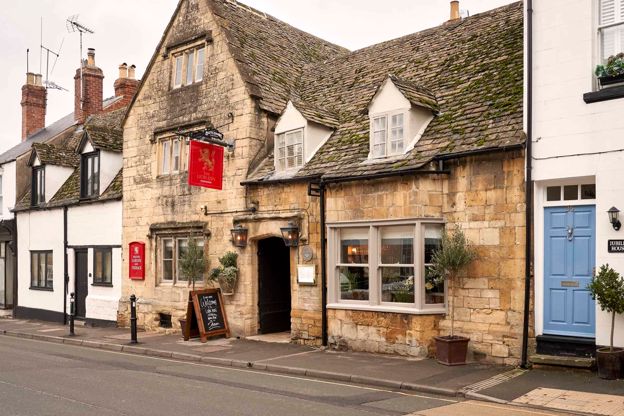
The Lion Inn
Inn · Winchcombe
A restored fifteenth-century coaching inn on North Street, Winchcombe, with nine rooms, run by Butcombe.
Dog-friendly · Walker-friendly
Verified Oct 2026
More sights to see
-
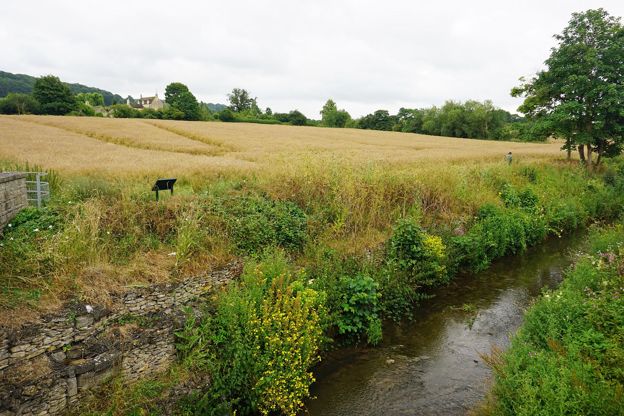
River Isbourne
Sight · River · Winchcombe
The River Isbourne rises at a spring on Cleeve Hill above Winchcombe and runs north past Postlip, Winchcombe, Toddington and Sedgeberrow to join the Avon at Evesham. A waymarked path of some 14 miles, the Isbourne Way, follows it.
-
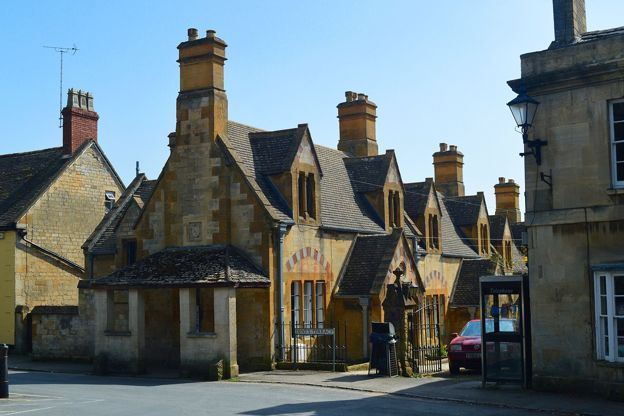
Dent's Terrace, Winchcombe
Sight · Historic building · Winchcombe
A row of ten almshouses of 1865 on Abbey Terrace, Winchcombe, by Sir George Gilbert Scott and J Drayton Wyatt for John and Emma Dent of Sudeley Castle: cream, yellow and pink stone under stepped gables. Grade II.
-
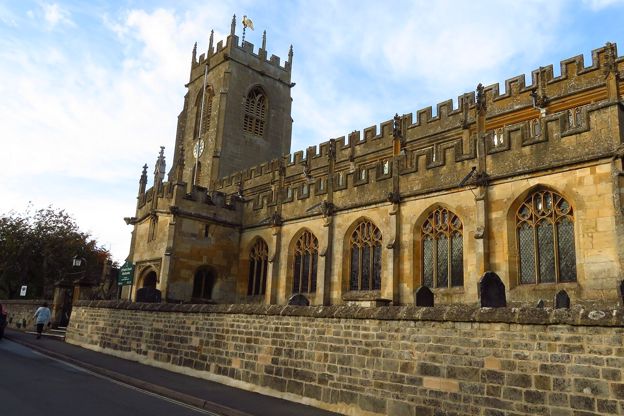
St Peter's Church, Winchcombe
Sight · Church · Winchcombe
St Peter's is Winchcombe's Grade I parish church, built in one campaign in about 1458 to 1468, with some 40 carved grotesques round its walls, a fan-vaulted tower and two stone coffins tied to the St Kenelm story. Usually open daily.