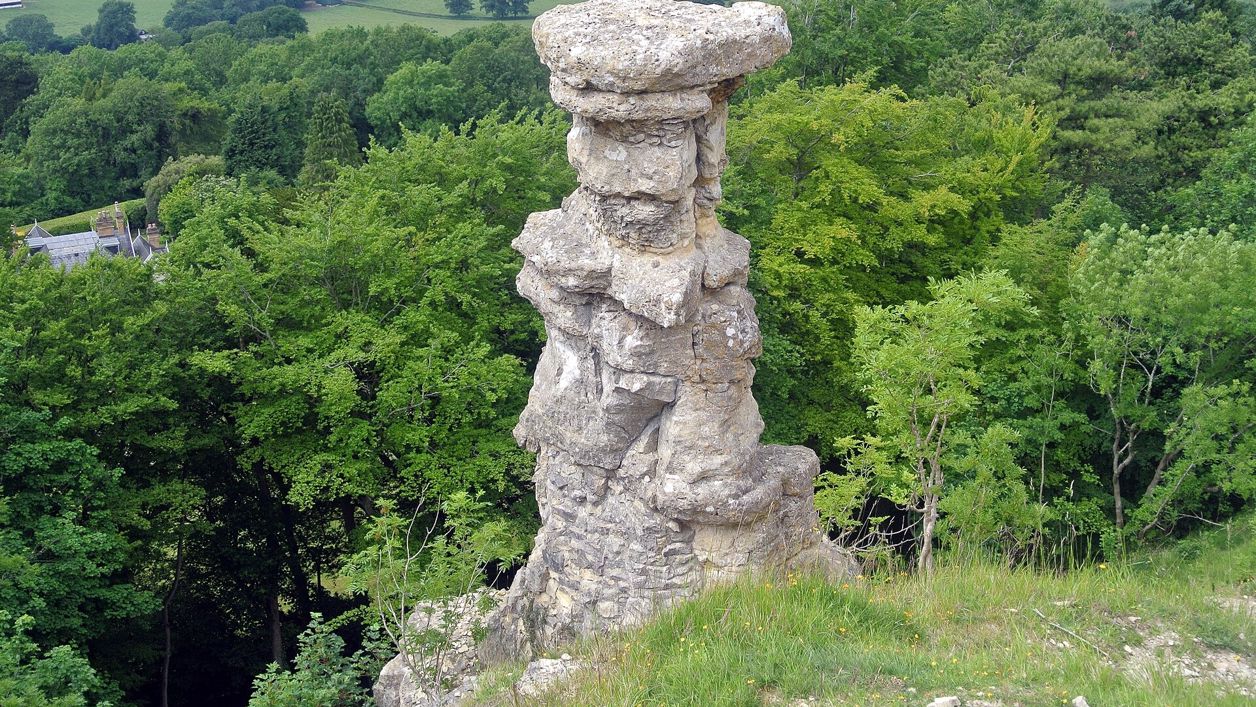
The Devil's Chimney, Leckhampton
The Devil's Chimney is a pillar of limestone standing below the scarp edge of Leckhampton Hill above Cheltenham, most likely left isolated when quarrymen cut an incline to the top and shaped by the weather since. Folklore says the Devil built it. Climbing it is forbidden.
Monument
The Cotswold EdgeThe Devil's Chimney is a tall pillar of limestone standing just below the edge of Leckhampton Hill, on the Cotswold Edge above Cheltenham. It is the best-known landmark of the hill, seen from the Cotswold Way along the top, and almost certainly the work of quarrymen rather than nature alone.
History
The Devil's Chimney is a leftover of the quarries that worked Leckhampton Hill from the late eighteenth century to the 1920s. The Friends of Leckhampton Hill give the likeliest explanation: when the quarrymen cut an incline up to the top of the hill, this section of rock was left standing on its own, and the weather has worn it into shape since, perhaps with some help from the quarrymen themselves. No date for its making is recorded.
The legends
Stories grew up around it all the same. The best known, retold when the hill became a National Nature Reserve in 2026, has the Devil building it so that he could throw stones at people on their way to church.
The quarries around it
The Chimney stands among the old workings that give the hill its cliffs. Around 1875 the quarries were producing about 8,000 tons of stone a year, mostly for roads, gravel and lime, and tramways and inclines carried it off the hill. The industry ended in the 1920s, and after the access riots of 1902 and 1906 and the town council's purchase of the hill in 1927, it was opened to everyone in 1929.
What to see
The pillar is best seen from the path along the scarp edge just west of the hillfort, looking down and across to it, with Cheltenham spread out behind.
- The layered Jurassic limestone in the pillar and the quarry faces around it, laid down in a shallow sea about 170 million years ago.
- The old inclines that brought stone down the hill, now the main paths from Daisy Bank Road.
- The ruins of the four limekilns of the early 1920s part way down, with an information board beside them.
- On the summit, the ramparts of Leckhampton Camp and the trig point.
Visiting
The Devil's Chimney is on registered common land owned by Cheltenham Borough Council, free and open at all times. Climbing on the pillar is strictly forbidden, and the quarry edge above it is steep and the rock loose, so keep back from the brink, and keep children and dogs close. The hill is grazed by Belted Galloway cattle in autumn and winter: dogs on a short lead near them, and on open access land from 1 March to 31 July.
Getting there
From the top, park at Salterley Quarry or Brownstones Quarry, reached from the east end of Hartley Lane, and walk west along the edge. From Cheltenham, the Daisy Bank and Bridge car parks on Daisy Bank Road give a steep climb up the old inclines. On foot, the Cotswold Way passes along the edge above it; our Leckhampton Hill and Devil's Chimney walk is built around it, and the Seven Springs and Leckhampton Hill walk passes it.
Nearby
Leckhampton Camp is on the summit a few minutes away, and the rest of Leckhampton Hill and Charlton Kings Common is a National Nature Reserve of quarries and grassland. About 3km along the scarp, Crickley Hill has a café, toilets and its own hillfort. Below the hill, the Wheatsheaf in Leckhampton has a large garden and Sunday roasts.
Walks past The Devil's Chimney, Leckhampton
-
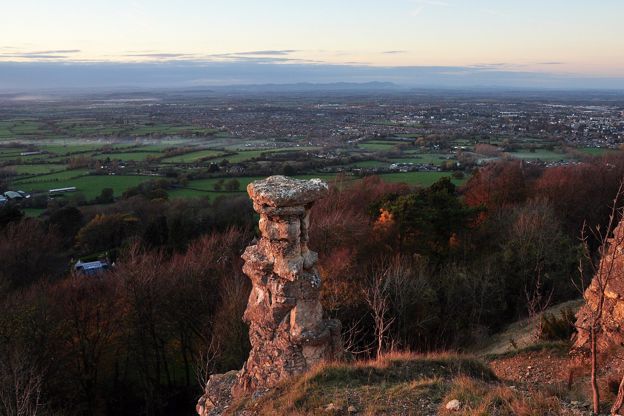
Leckhampton Hill and the Devil's Chimney
Walk · Starts in the Cotswold Edge · 2 hrs · Circular · Dog-friendly
A 4-mile (6.3km) circular walk from the Daisy Bank Road car parks above Cheltenham, about two hours and moderate, with one steep climb: round Charlton Kings Common, up onto the escarpment past the hillfort to the Devil's Chimney, and down the old quarry incline.
-
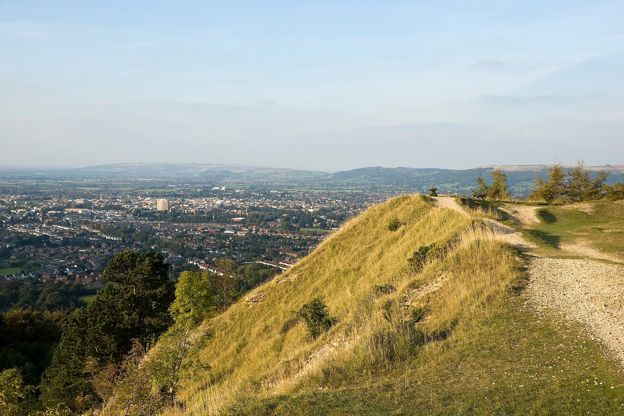
Seven Springs and Leckhampton Hill
Walk · Starts in the Cotswold Edge · 2 hrs, 30 mins · Circular · Dog-friendly
A 5.4-mile (8.7km) circular walk from Seven Springs, about two and a half hours and moderate, with steep slopes: along the Cotswold Way over Charlton Kings Common to the hillfort on Leckhampton Hill and the Devil's Chimney, and back along the foot of the common.
-
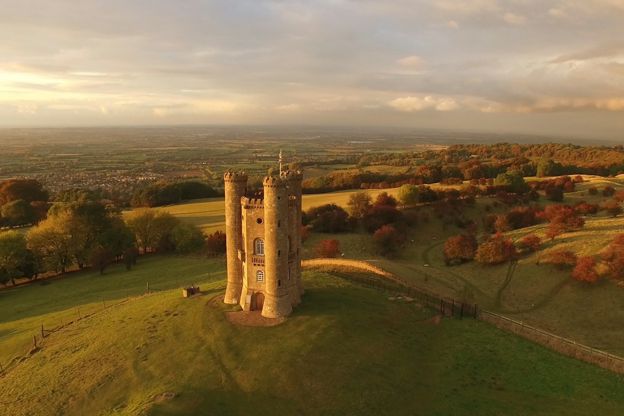
The Cotswold Way
Walk · Dog-friendly
The Cotswold Way is a 102-mile (164km) National Trail walk from Chipping Campden to Bath along the escarpment, in 15 sections; the official guidebook suggests seven to ten days, and its frequent steep climbs make it hard going.
Stay and eat near The Devil's Chimney, Leckhampton
-
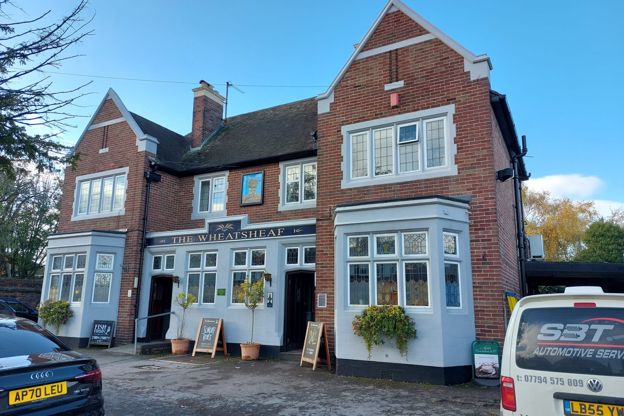
The Wheatsheaf, Leckhampton
Pubs · The Cotswold Edge
A family-run Wadworth pub on Old Bath Road in Leckhampton, below Leckhampton Hill, which Wadworth lists with a large garden, a heated patio, Sunday roasts and jazz and blues nights.
Dog-friendly · Family-friendly
Verified Nov 2026
-

StarBistro
Cafes and tearooms · The Cotswold Edge
The restaurant at National Star college in Ullenwood, above Cheltenham, where students with disabilities serve breakfast, lunch and afternoon tea on weekdays, on the line of the Cotswold Way's 2026 diversion.
Walker-friendly · Family-friendly
Verified Oct 2026
-
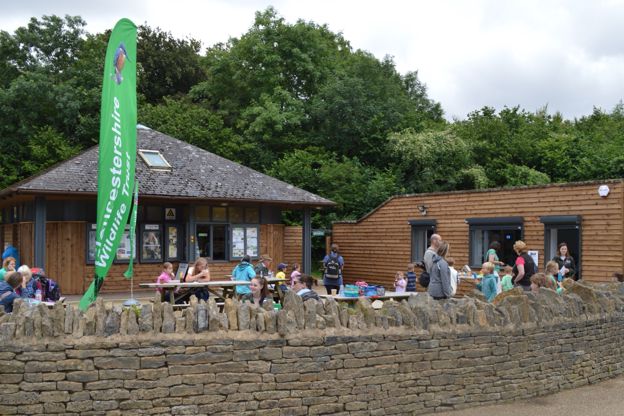
Crickley Hill café
Cafes and tearooms · The Cotswold Edge
Gloucestershire Wildlife Trust's café by the top car park at Crickley Hill Country Park, near Birdlip, on the Cotswold Way: breakfast, lunch and cakes, dogs welcome.
Dog-friendly · Walker-friendly · Family-friendly
Verified Nov 2026
Stories about The Devil's Chimney, Leckhampton
-
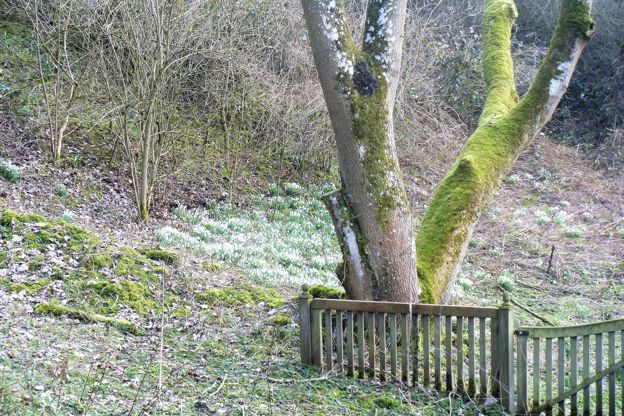
The Cotswolds in February
Story · Guides · 8 minute read
The Cotswolds in February: snowdrop month, with Colesbourne's weekends, Painswick's booked valley and Batsford, the Stroud Wassail, the first lambs, half term's one busy week, what is open, and three walks for the mud.
-
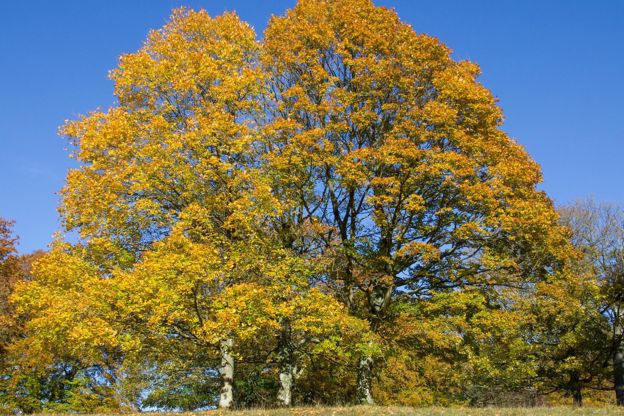
The Cotswolds in November
Story · Guides · 8 minute read
The Cotswolds in November: the wettest month and one of the quietest, the last of the beech colour, the November Meeting at Cheltenham, the light trails and late-night shopping that start Christmas, what stays open in winter, firm walks for wet weather and inns with fires.
-
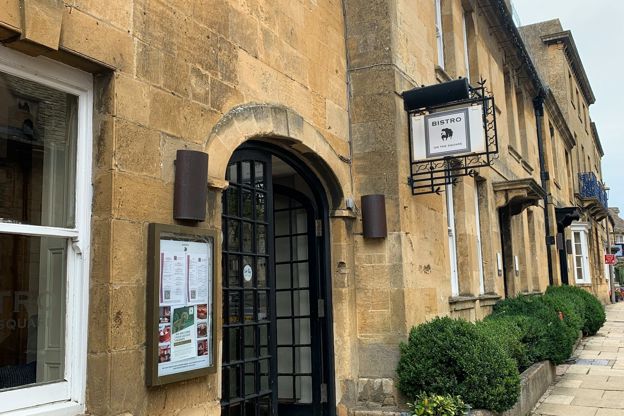
Why Cotswold stone is golden
Story · History · 9 minute read
The Jurassic limestone that built the Cotswolds, the iron that colours it honey in the north and grey in the south, the quarries at Taynton, Barrington, Guiting and Painswick, the stone slate roofs and the dry-stone walls, and where to see each.
More sights to see
-
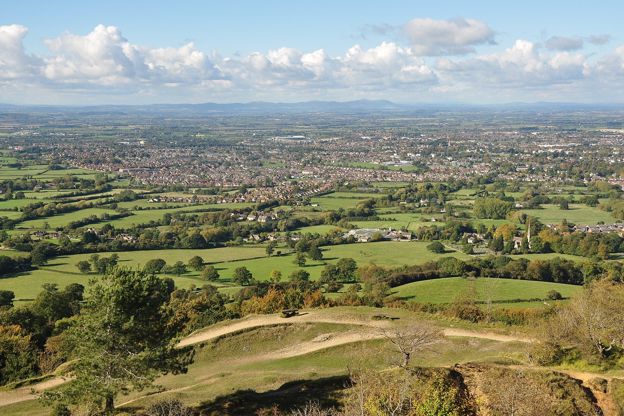
Leckhampton Hill and Charlton Kings Common
Sight · Nature reserve · The Cotswold Edge
Leckhampton Hill and Charlton Kings Common: 60 hectares of old quarries, limestone grassland on the Cotswold Edge above Cheltenham, with an Iron Age hillfort and the Devil's Chimney. Opened to the public in 1929 after the riots of 1902; a National Nature Reserve from 2026.
-
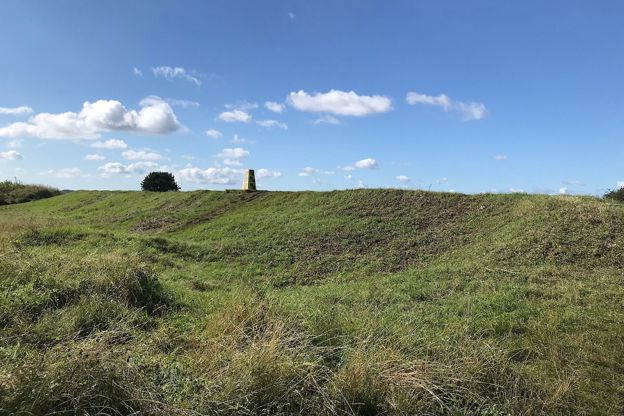
Leckhampton Camp
Sight · Hill fort or barrow · The Cotswold Edge
Leckhampton Camp is the Iron Age hillfort on the summit of Leckhampton Hill above Cheltenham: one rampart and a rock-cut ditch, an inturned entrance with two guard chambers and, to the east, a rare round barrow inside a square enclosure. Scheduled; the trig point is on its bank.
-
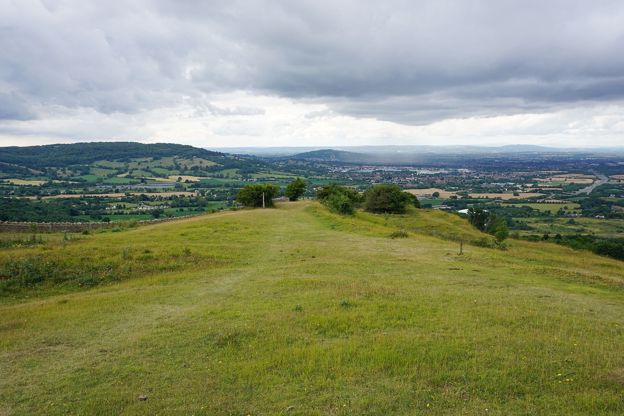
Crickley Hill
Sight · Common or park · The Cotswold Edge
Crickley Hill is a Cotswold Edge promontory near Birdlip, cared for by Gloucestershire Wildlife Trust and the National Trust, where 25 years of digging found a Neolithic settlement destroyed in battle and an Iron Age hillfort. Grassland, beech wood, a café and views to Wales.