Well dressing at Bisley
Well dressing belongs to the Peak District, but one Cotswold village has kept it up for more than 160 years.
· 4 minute read
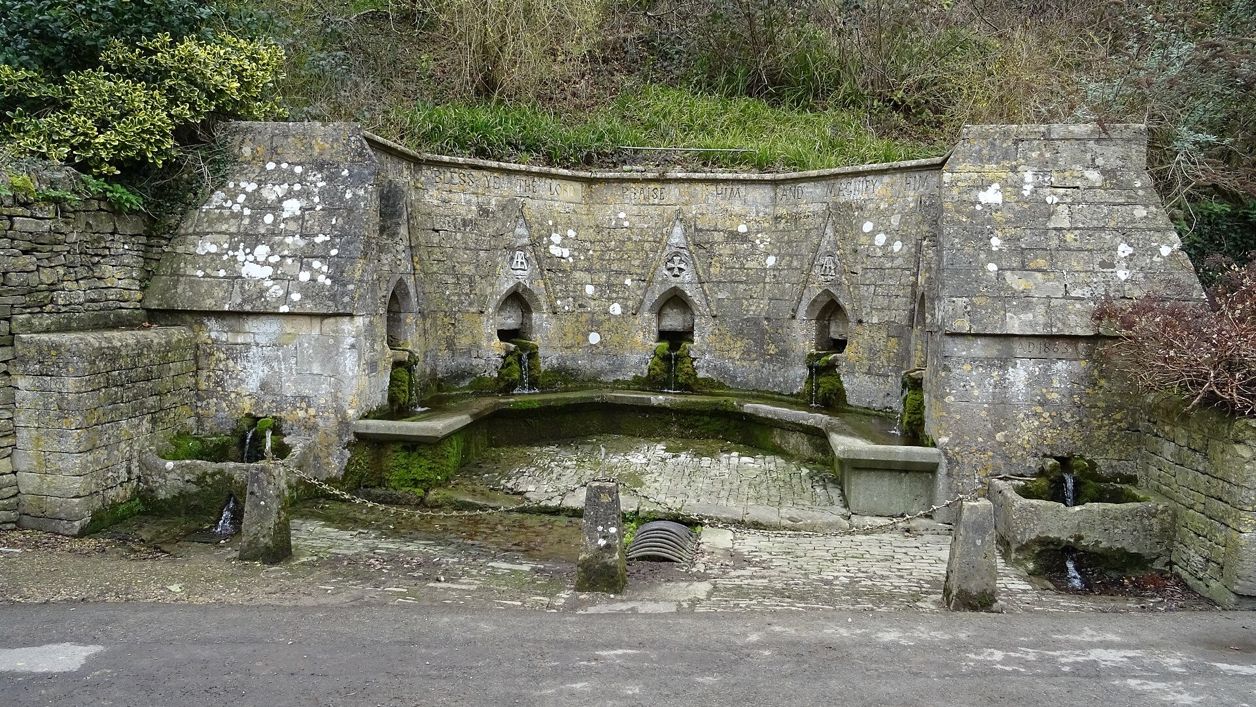
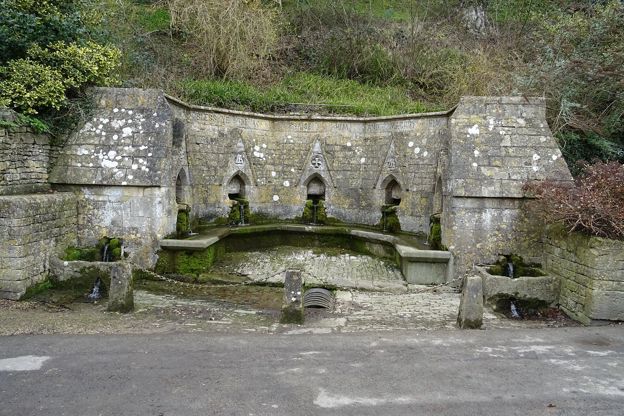
Bisley is a village near Stroud. On Wells Road its wells pour from stone spouts set in a Gothic stone screen, carved with the words "O ye wells, bless ye the Lord, praise him and magnify him for ever". Every Ascension Day they are dressed with flowers.
Thomas Keble's wells
Thomas Keble, the younger brother of the poet John Keble, became vicar of Bisley in 1827 (opens in a new tab). In 1863 he gave the wells their new stone head, and he began the dressing as thanksgiving for the village's clean water. Generations of the village's schoolchildren have kept it up since. The wells were restored again in 1958 and are listed Grade II (opens in a new tab).
Well dressing is best known as a Peak District custom, which makes Bisley's a rare example far from home.
The day
The day begins with a service in All Saints church in the early afternoon (1.15pm in 2026). Then the pupils of Bisley Blue Coat Church of England Primary School, the oldest in the school's historic Blue Coat uniform, process with the vicar and head teacher through the village to the wells, carrying flower-covered stars, numbers and letters spelling ASCENSION and the year. The parish describes it as a procession of clergy and children in period costume, with the senior pupils dressing the wells in thanksgiving for their restoration in 1863. A short service follows at the wells with a silver band, and the afternoon ends with a community tea in the WI village hall, which in 2026 was open to the public.
The Cotswolds Info newsletter
Events, new places and the best of the season, about once a month. Unsubscribe at any time.
When to go
Ascension Day falls 39 days after Easter Sunday, always on a Thursday, so it moves between late April and early June. Our page for Bisley Well Dressing has the next date.
The Bisley Boy
Bisley has another story, the Bisley Boy: the legend that the infant Elizabeth I died here and a local boy was put in her place. The Victoria County History (opens in a new tab) notes that a local history ascribes its invention to the younger Thomas Keble, the vicar's son.
Places to stay near Stroud
-
Premier Inn Stroud
Hotel · Stroud
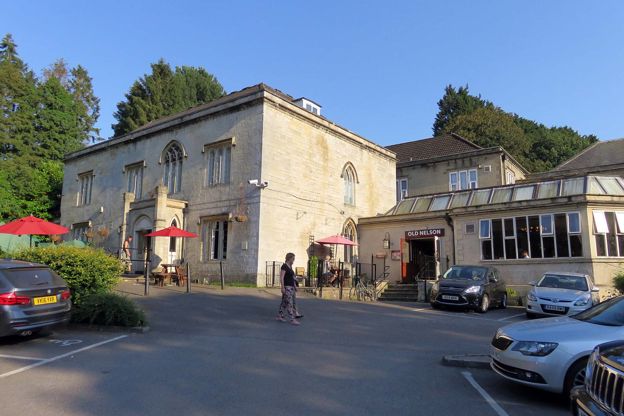
A Premier Inn in the Grade II-listed Stratford Lodge, opposite Stratford Park in Stroud, with free parking and a pub next door for meals.
Verified Oct 2026
-
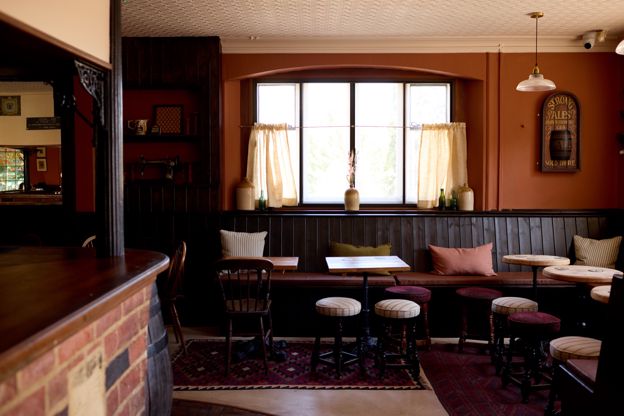
The Clothiers Arms
Inn · Stroud
A pub with seven rooms at the bottom of Rodborough Hill in Stroud, a pub since 1891, with a beer garden, an adventure play area next door and a family suite.
Family-friendly · Car-free
Verified Nov 2026
-
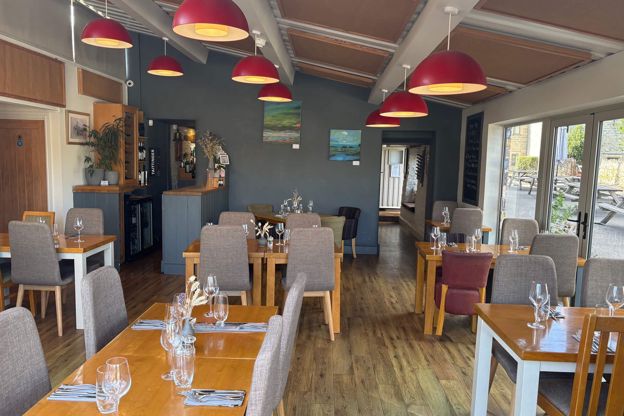
The Bell Inn, Selsley
Inn · Stroud
A chef-owned 17th-century inn, listed Grade II, with two bedrooms at Selsley, two miles from Stroud, with two AA Rosettes and dogs welcome throughout.
Dog-friendly
Verified Nov 2026
Read next
-
Pagan Cotswolds? What the record says about old customs
Story · Strange Things · 4 minute read
Maypoles, wassails, well dressing and cheese rolling are often called pagan fertility rites. Here is what historians have actually found, and what is a modern myth.
-
Pig Face Day at Avening
Story · Strange Things · 4 minute read
Every other September, Avening carries a pig's head in procession, a feast its legend ties to Queen Matilda, a spurned Saxon lord and the founding of its church.
-
Wassailing in Gloucestershire and the Cotswolds
Story · Strange Things · 5 minute read
The midwinter custom of wassailing: the Gloucestershire Wassail carol, a song collected at Buckland in 1909, and where to join a wassail near the Cotswolds today.