Pagan Cotswolds? What the record says about old customs
It is often said that Cotswold customs go back to pagan fertility rites. The evidence tells a more interesting story.
· 4 minute read
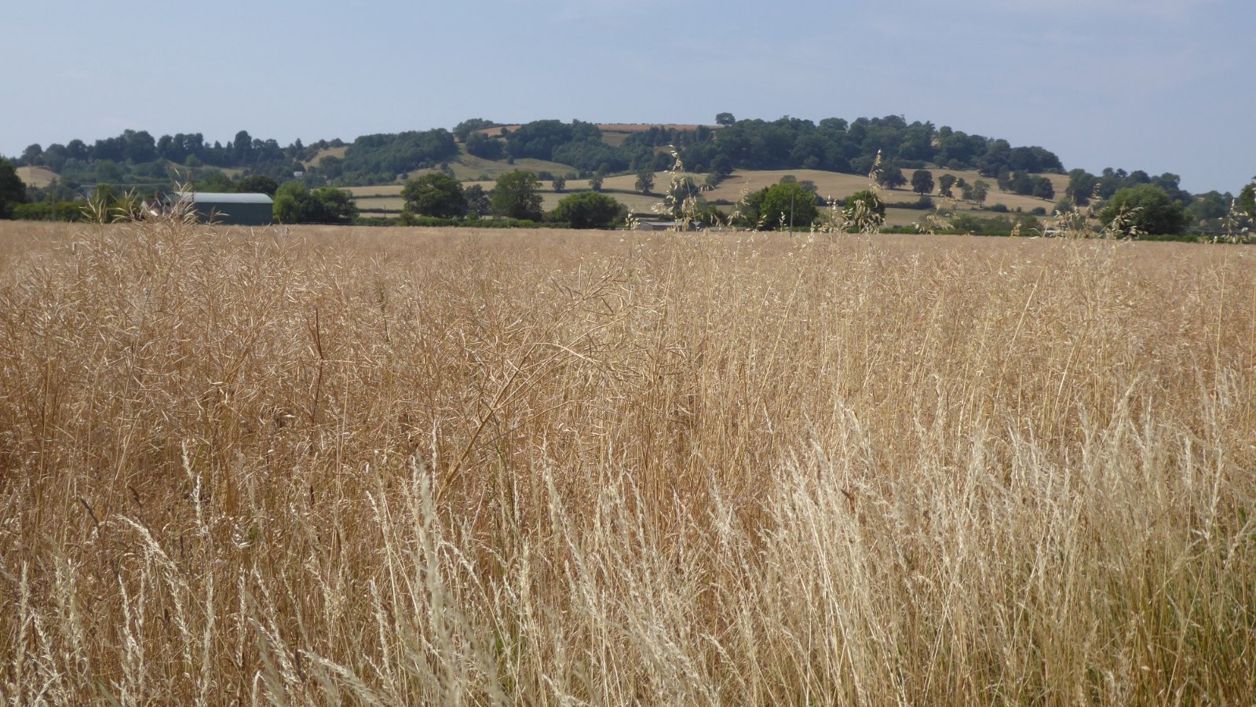
Read about almost any Cotswold custom and you will be told it is a pagan fertility rite, thousands of years old. It makes a good story. The record is usually more recent, and often more surprising.
Maypoles
Maypoles were banned by the Long Parliament’s ordinance of 8 April 1644, which called them "a Heathenish vanity, generally abused to superstition and wickedness", and they came back after the Restoration in 1660. Calling them heathen was the Puritans’ charge against them, and so, says the historian Ronald Hutton, was the idea that the pole was a phallic symbol. Writing in the Idler in 2020, Hutton suggests maypoles probably were survivals of an older paganism that honoured the spring growth, the pole itself best thought of as an enormous garland. The ribbon dance most people picture is much newer: he traces it to a Sicilian custom brought to England in a London stage play in 1836.
Wassailing, well dressing and cheese rolling
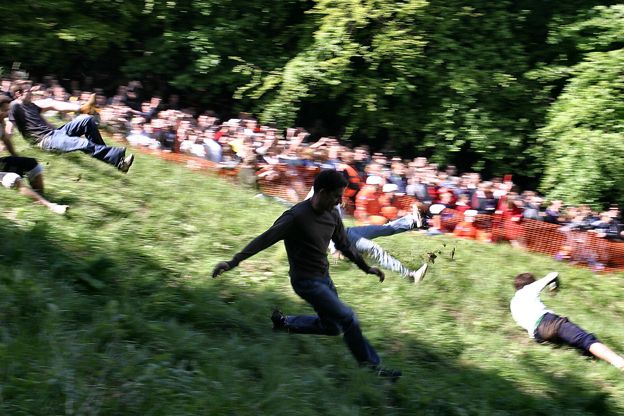
Gloucestershire's wassailing was mostly the house-visiting kind, with a carol printed from 1838; the orchard wassails held now are modern revivals. Bisley's well dressing began in 1863, when the village wells were restored. The Cooper's Hill cheese rolling is first written about in the early nineteenth century. None has a documented pagan origin.
The Meon Hill murder
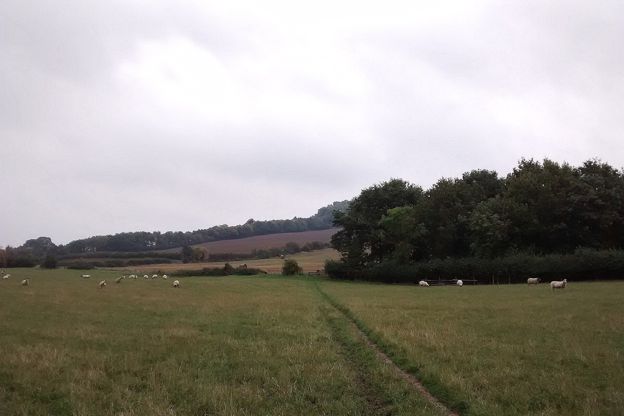
The darkest version of the pagan story concerns Charles Walton, found murdered on Meon Hill near Lower Quinton, on the northern edge of the Cotswolds, on 14 February 1945. The case was never solved and nobody was charged. It is often called a witchcraft killing, but that is a theory that grew up afterwards, not a finding of the investigation. M J Trow, who went through the original police files for his 2023 book on the case, says they contain nothing about witchcraft.
The Cotswolds Info newsletter
Events, new places and the best of the season, about once a month. Unsubscribe at any time.
What is real
The customs are real, and many are old. What is usually missing is the pagan prehistory. For the stories that are on record, read about wassailing, the mummers and Pig Face Day.
Read next
-
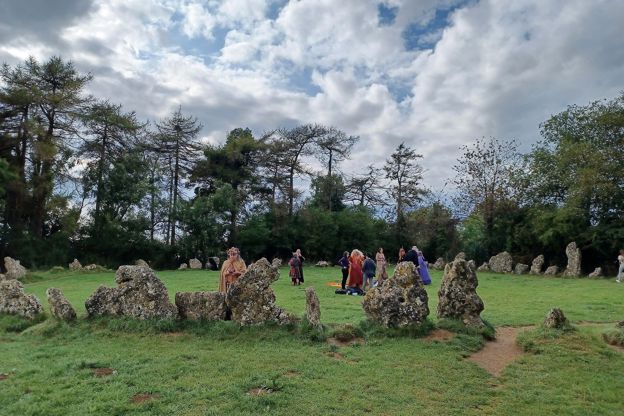
Ley lines and the Rollright Stones
Story · Strange Things · 5 minute read
Alfred Watkins saw straight old tracks across the English landscape in 1921. Later writers made them lines of mystic energy. Here is what is actually known.
-
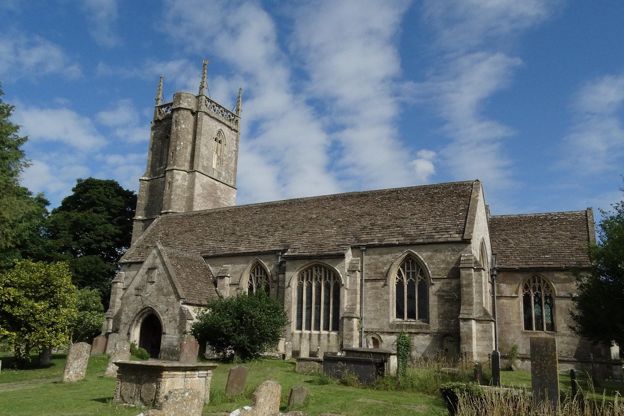
Mummers' plays in the Cotswolds
Story · Strange Things · 4 minute read
The Christmas mummers' plays of the Cotswolds: Marshfield's Paper Boys on Boxing Day, the Chipping Campden mummers, and the Gloucester play revived in 1969.
-
Cheese rolling at Cooper's Hill
Story · Strange Things · 4 minute read
Every spring bank holiday people hurl themselves down Cooper's Hill near Gloucester after a Double Gloucester cheese. The race is old, unofficial and dangerous.