Burnt Norton: a fire and a poem
A baronet who burnt down his own house, and a poet who walked in its garden two hundred years later: the story of Burnt Norton.
· 3 minute read
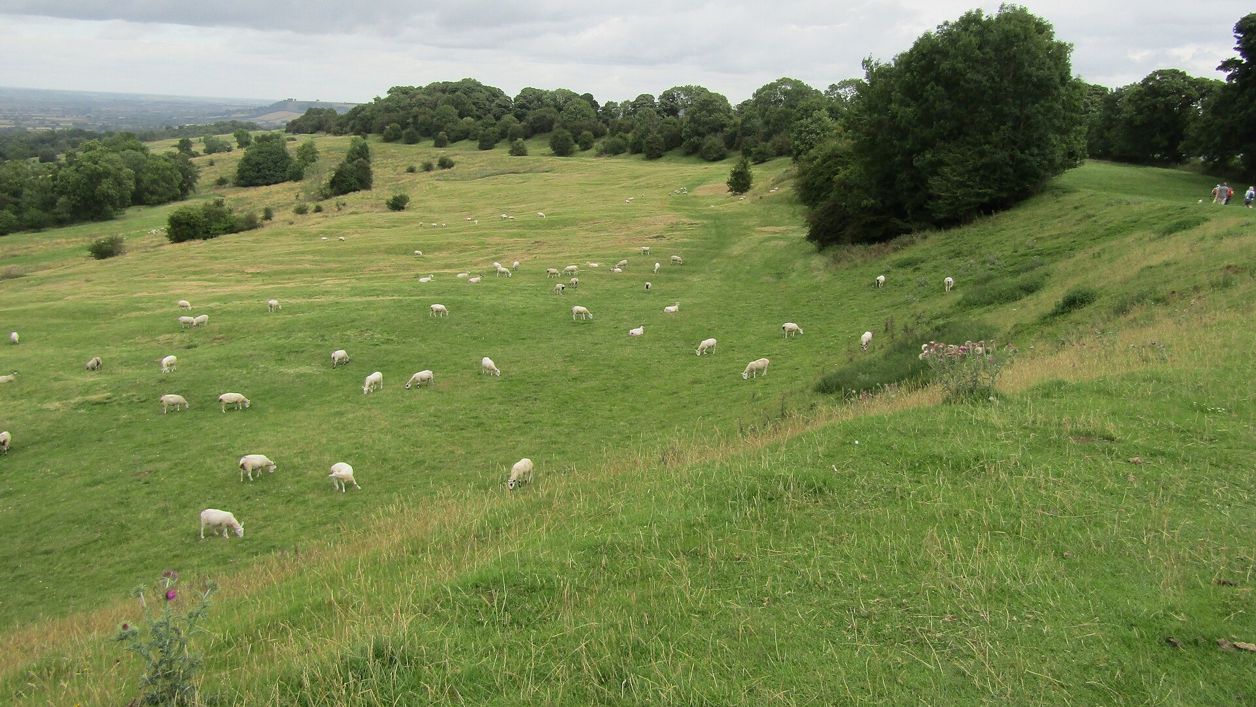
Sir William Keyt, third baronet, of Ebrington, was born in 1688, married Ann Tracy in 1710 and, as a Tory, won Warwick at the elections of 1722 and 1727. In 1716 the Keyts bought Norton House, near Chipping Campden, from Lord Saye and Sele, and Sir William later built a new mansion beside the old house there.
The fire
On the evening of 4 September 1741 Keyt set fire to a pile of linen upstairs, then shut himself in the next bedroom while the servants fought the flames. The fire burnt through the house that night and he died in it. The Campden history society's account of the family says he had been drinking himself into a frenzy for a week. From then on the place was known as Burnt Norton.
The poem
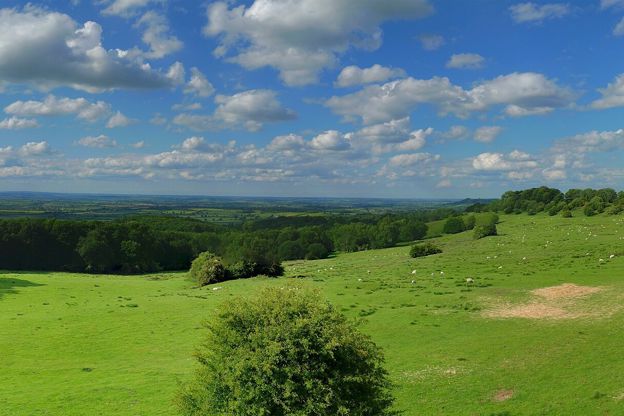
T. S. Eliot spent several summers of the 1930s near Campden with Emily Hale. On one of his visits, Hale wrote in her account of their friendship for Princeton University Library in 1957, the two of them walked to Burnt Norton, which she remembered as the ruin of an eighteenth-century house and garden. Historic England and the Campden history society date his visit to 1934; Hale dated his Campden summers from 1935. The garden gave him the poem "Burnt Norton", first printed in his Collected Poems 1909 to 1935 in 1936 and later the first of his Four Quartets.

The Cotswolds Info newsletter
Events, new places and the best of the season, about once a month. Unsubscribe at any time.
Visiting
Burnt Norton is a private house above Weston Subedge, near Aston Subedge, and is not open to visitors.
Places to stay near Chipping Campden
-
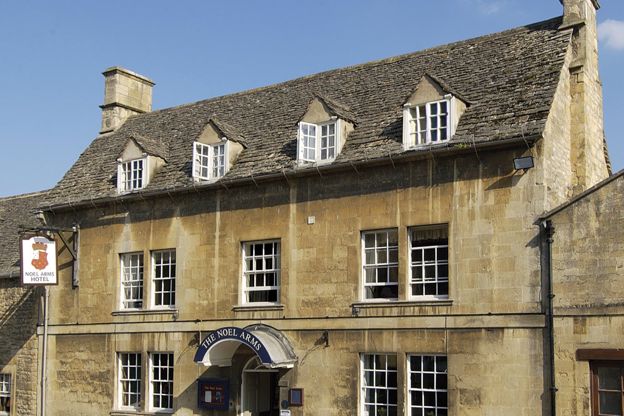
The Noel Arms Hotel
Inn · Chipping Campden
A Grade II listed inn with 27 rooms on Chipping Campden's High Street, with a restaurant, parking, accessible rooms and dogs by arrangement.
Dog-friendly
Verified Oct 2026
-
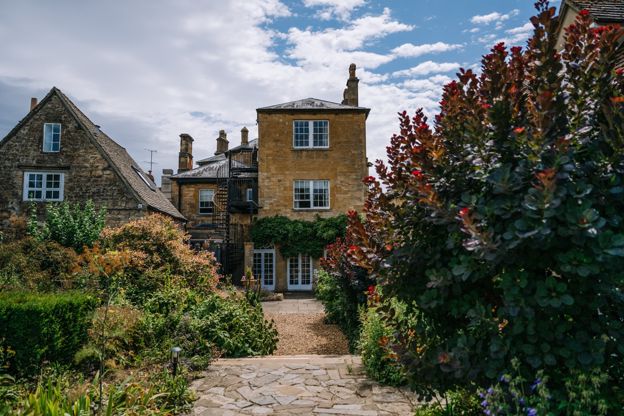
Cotswold House Hotel and Spa
Hotel · Chipping Campden
A Grade II listed Regency town house on Chipping Campden's Upper High Street, now a hotel and spa with the Hidcote restaurant.
Hot tubs · Wedding venues
Verified Nov 2026
-
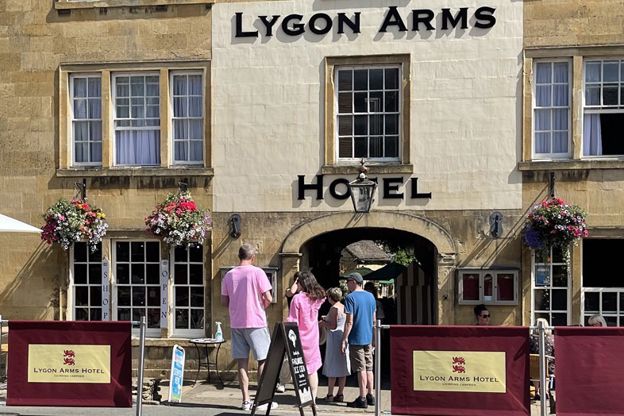
The Lygon Arms, Chipping Campden
Inn · Chipping Campden
A coaching inn with ten rooms on Chipping Campden's High Street, with family rooms, bike storage, free parking at the rear and dogs welcome.
Dog-friendly
Verified Oct 2026
Read next
-
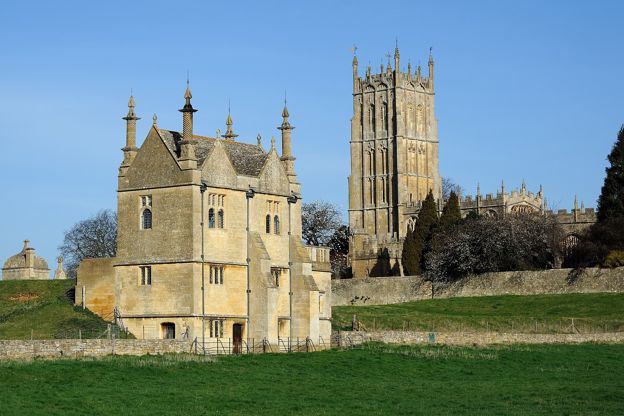
The Campden Wonder
Story · Strange Things · 4 minute read
In 1660 a Chipping Campden steward vanished and three people were hanged for his murder. Two years later he came home, with a tale of Turkish slavery.
-
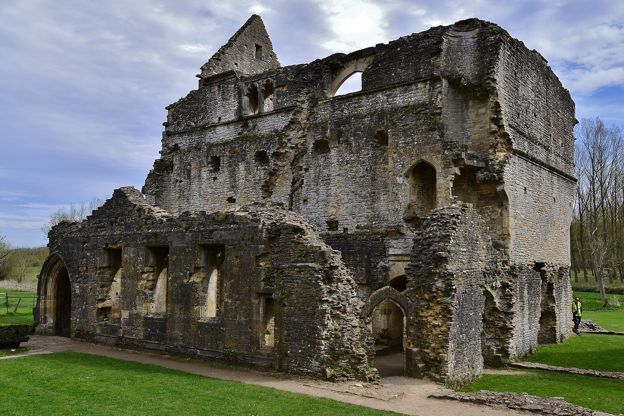
Three dooms at Minster Lovell Hall
Story · Strange Things · 5 minute read
The ruined hall on the Windrush at Minster Lovell, the lord who vanished after the battle of Stoke, a skeleton said to sit at a table, and a bride in a chest.
-
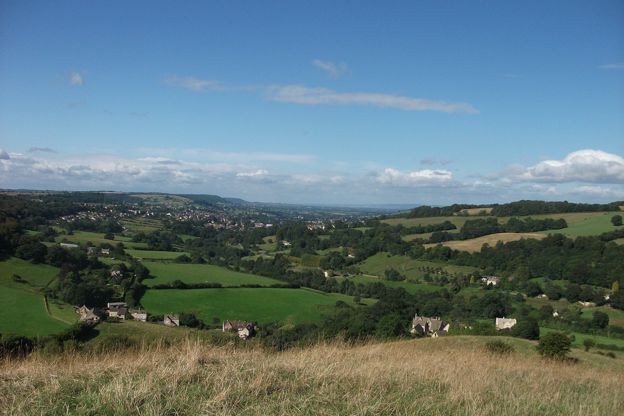
Famous people with Cotswold connections
Story · History · 10 minute read
The writers, composers, scientists, queens and prime ministers whose lives are tied to Cotswold places, from Tyndale and Katherine Parr to Laurie Lee, Holst and Edward Thomas, and where to find their traces.