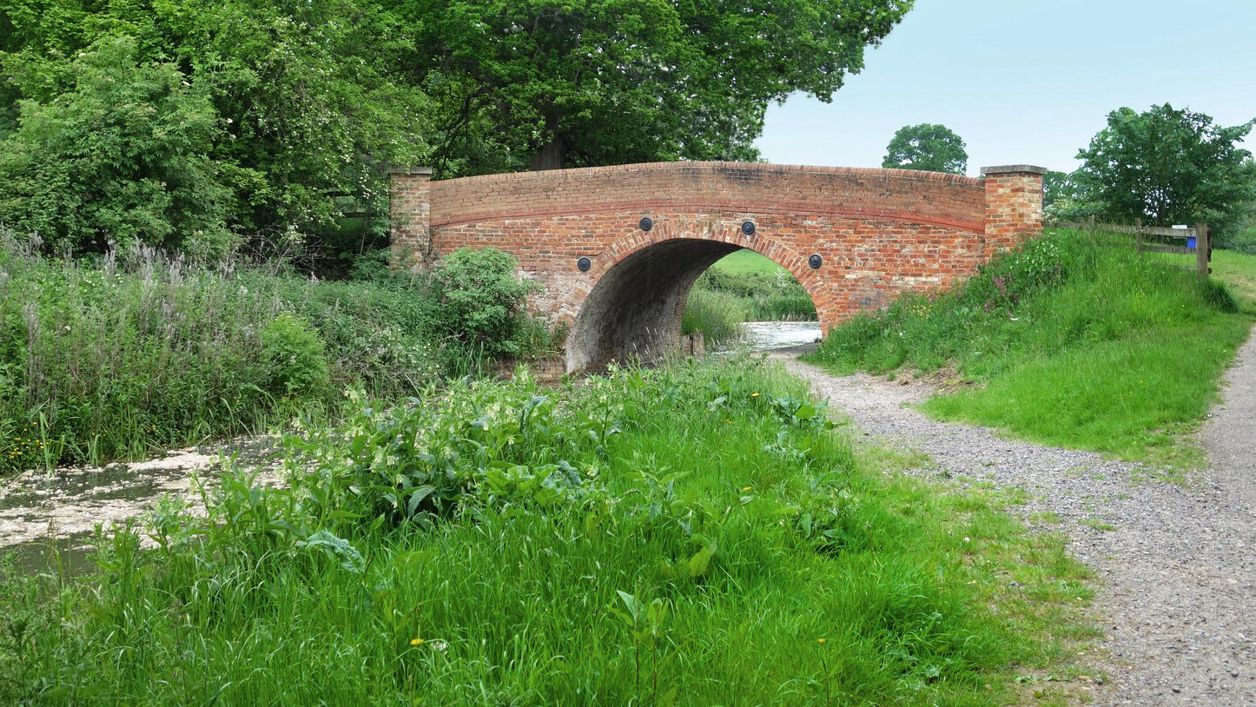
Des Blenkinsopp, CC BY-SA 2.0, via Wikimedia Commons
Wilts & Berks Canal at Lacock
A restored, watered stretch of the Wilts & Berks Canal north-east of Lacock, from Pewsham Locks to Double Bridge below Naish Hill, on a narrow canal of 1795 to 1810 that carried Somerset coal. Free on the towpath.
River
LacockNorth-east of Lacock, between Pewsham Locks and Double Bridge below Naish Hill, a stretch of the Wilts & Berks Canal holds water again. The canal was authorised in 1795 and opened throughout in 1810, built mainly to carry Somerset coal to the towns of Wiltshire and Berkshire. It was abandoned in 1914, and here volunteers of the Wilts & Berks Canal Trust have put it back in water.
History
The Wilts & Berks was a narrow canal linking the Kennet & Avon Canal at Semington with the Thames at Abingdon. The canal's Act received the royal assent on 30 April 1795, and work began at Semington, the Wilts & Berks Canal Trust records. The Canal & River Trust's archive gives William Whitworth as engineer, and says the line from Semington to the Calne branch opened in 1802 and reached Swindon by 1804; the canal opened throughout in September 1810, with a ceremony at Abingdon on 14 September. The archive gives its length as 51 miles with 42 locks (the canal trust says 52 miles), and a branch of about two miles ran to Chippenham.
Coal and decline
Coal from the Somerset coalfield made up about two-thirds of the trade, and most of the traffic came from the west. The Great Western Railway, completed from London to Bristol in 1841, took traffic away, and the coal trade tailed off from the end of the 1860s. In 1875 traders and shareholders bought the canal as the New Wilts & Berks Canal Company, but Parliament allowed it to be abandoned in 1914.
Restoration
The Wilts & Berks Canal Trust aims to restore the whole waterway. Near Lacock, its volunteers have restored the stretch from Pewsham Locks to Double Bridge, with a bridge, a wharf and benches along the towpath; Melksham News put the rewatered length at 1.25km in 2018. The CPRE Wiltshire walk leaflet says the rewatered stretch was opened in May 2009 by the Duchess of Cornwall, now Queen Camilla, who became the trust's patron in 2006. The Pewsham Locks site holds three locks, a dry dock, a saw pit, a carpenters' workshop and a lime kiln; Melksham News reported in November 2025 that the workshop and dry dock were nearly complete and a new bridge across the top lock almost finished. In 2022 the trust signed a lease with Wiltshire Council for a further 500m from Double Bridge towards Lacock, and that length was still unrestored when Towpath Talk reported in May 2023.
What to see
The restored stretch is the closest you can get to the canal as it was: a still, reed-fringed channel with the towpath alongside, Double Bridge at its southern end and benches on the way. The trust's volunteers monitor nearly 100 bird boxes along the canal at Pewsham and nearby, and the CPRE Wiltshire leaflet suggests the towpath for birds and butterflies.
Towards Reybridge, the canal was still a derelict, unrestored cutting beside the path when last reported in 2023, a reminder of how much of the canal is yet to be restored.
Visiting
The towpath is free and open at all times. The restored section is popular with walkers, runners and cyclists. Beyond the restored stretch towards Reybridge, the public path runs beside the unrestored canal over a stile; Towpath Talk reported in May 2023 that it was often muddy and slippery in wet weather, and that the trust's volunteers had drained and resurfaced more than 100m of it and repaired the stile. Wear boots between autumn and spring. The trust runs boat trips on its boat Mary Archard at Pewsham, which has a ramp for wheelchair users; its event calendar gives the dates.
Getting there
From Lacock, walk north to Rey Bridge, cross the Avon to Reybridge and follow the field paths east to the canal. For the Pewsham end, near Chippenham, the trust suggests parking on the A4 verge just south of Pewsham, about 200m east of Forest Lane, and walking the Avon Valley Walk to the locks. There is no car park at the canal; from Lacock, use the National Trust car park on Hither Way (satnav SN15 2RQ). Chippenham has the nearest railway station.
Nearby
Above the canal to the south is Bowden Park, James Wyatt's house of 1796, and the road back into the village crosses the Avon on the medieval Lacock Bridge. In Lacock, The Red Lion and The George Inn serve food, and Lacock Abbey is the place to finish.
Stay and eat near Wilts & Berks Canal at Lacock
-
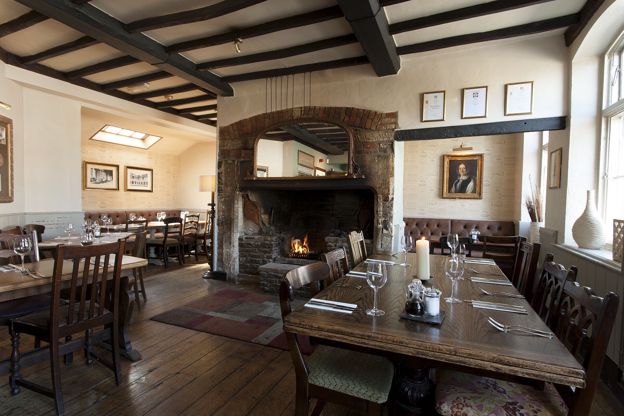
The Red Lion, Lacock
Inn · Lacock
A Wadworth pub in a Georgian building on Lacock's High Street, with five double rooms upstairs and dogs welcome in the bar and the bedrooms.
Dog-friendly
Verified Oct 2026
-
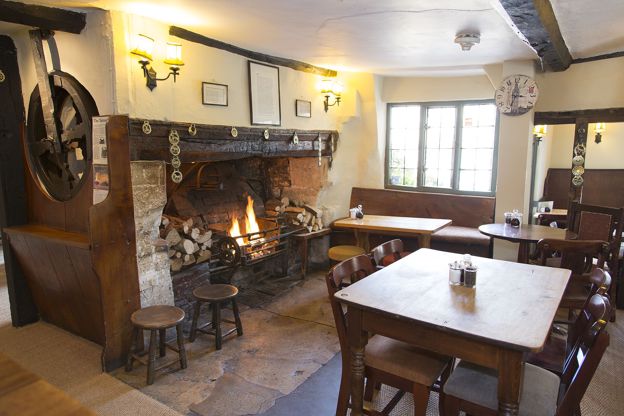
The George Inn
Pubs · Lacock
A Wadworth pub on West Street, Lacock, which says it dates to around 1361, serving food from midday to 8pm, with dogs welcome.
Dog-friendly · Family-friendly
Verified Oct 2026
-
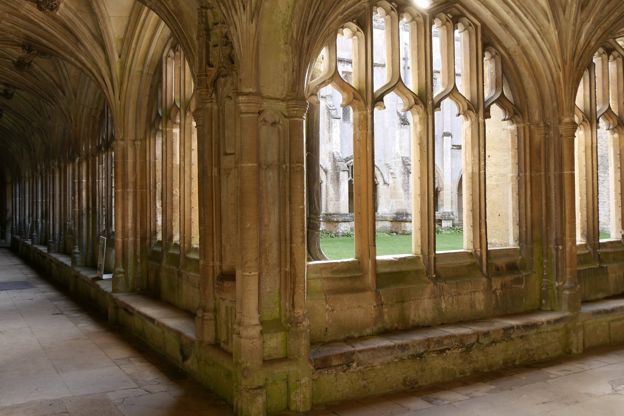
Lacock Abbey, Fox Talbot Museum and Village
Historic houses and heritage · Lacock
The National Trust's abbey made from a medieval nunnery, where Fox Talbot made the earliest surviving photographic negative in 1835, with its museum and village.
Car-free · Dog-friendly · EV charging
Verified Oct 2026
More sights to see
-
Rey Bridge, Lacock
Sight · Bridge · Lacock
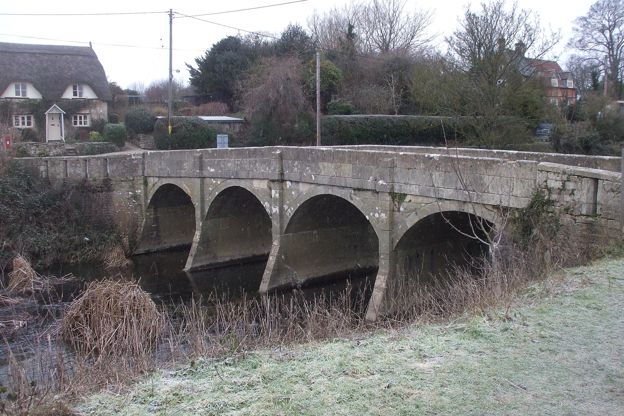
The four-arched stone bridge that carries the lane through Reybridge over the River Avon, just north of Lacock: early to mid eighteenth century, with WW 1745 cut on one pier and 1691 apparently carved under an arch. Grade II.
-
Bowden Park, Lacock
Sight · Historic building · Lacock
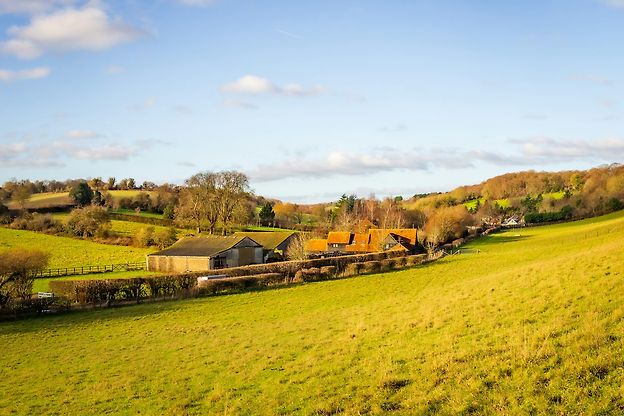
James Wyatt's neoclassical house of 1796 on Bowden Hill above Lacock, with a full-height bow behind massive Ionic columns, later bought by the brother of W. E. Gladstone. Private; Grade I, seen from the public path across the park.
-
Lacock Bridge
Sight · Bridge · Lacock
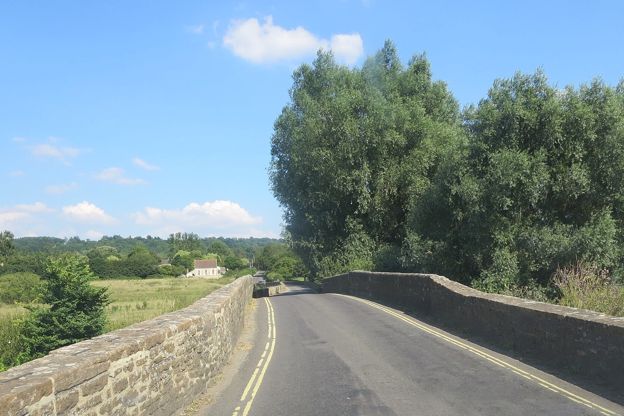
Two stone bridges and a causeway carrying the road east out of Lacock over the Avon and its water meadows, medieval to seventeenth century in origin and repaired in 1809, when G. Banks cut his name in the parapet. Grade II*.