Father Brown in the Cotswolds: Blockley as Kembleford
Since 2013 a parish church in a north Cotswold silk village has played a Catholic priest's church on BBC One. Blockley is Kembleford, and the steam railway, Guiting Power and Broadway Tower have all had their turn. Where to find them, and the ones nobody has confirmed.
· 6 minute read
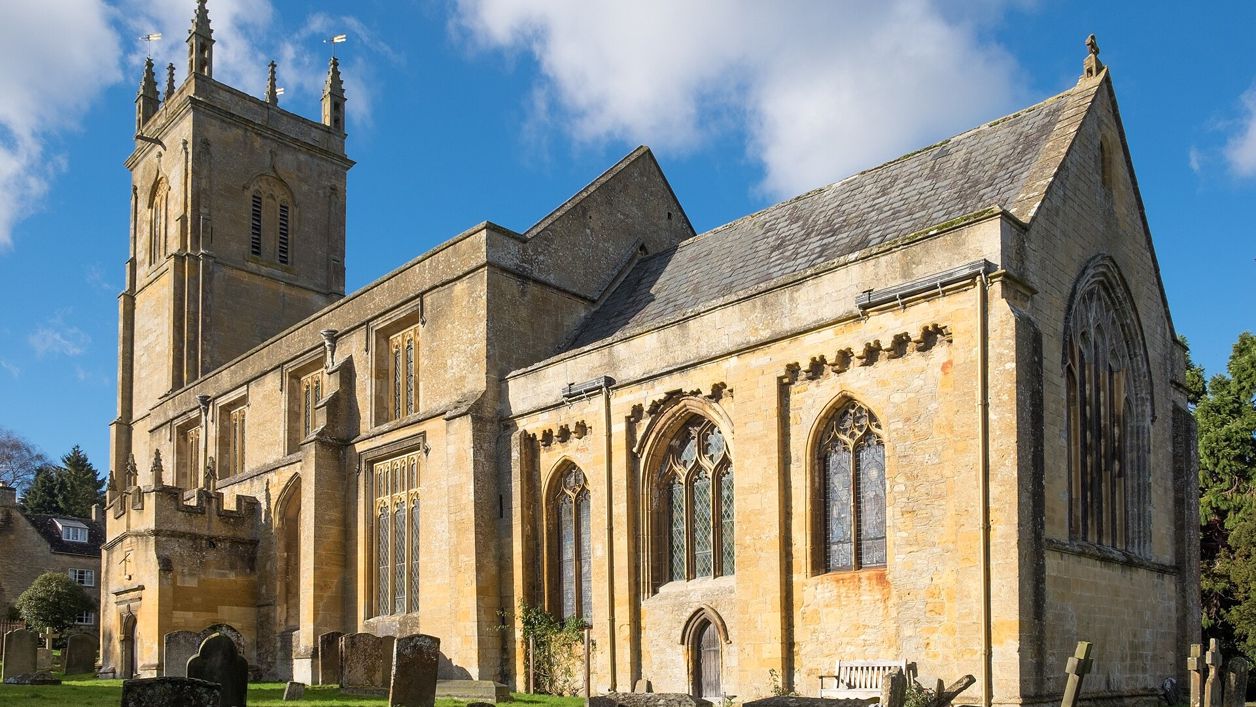
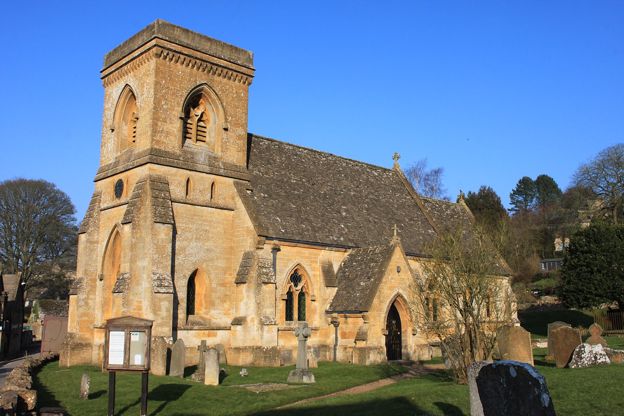
The BBC's Father Brown is filmed in the north Cotswolds, and its village of Kembleford is Blockley, near Moreton-in-Marsh. The church of St Peter and St Paul plays Father Brown's St Mary's and the old vicarage beside it his presbytery. Guiting Power, Upper Slaughter, Winchcombe station on the steam railway, Stanway House and Broadway Tower have also appeared, and the crew has come back for a new series almost every year since the first went out in 2013.
The locations here come from the BBC's own announcements of each new series, from Countryfile magazine's guide to the filming, and from the places themselves where they say so; the Gloucestershire Warwickshire Railway, for one, lists the series among its productions (opens in a new tab). The places you will see claimed on fan and tour pages but nobody responsible has confirmed are in the section on myths.
A long run on BBC One
Father Brown first went out in BBC One's daytime schedule in 2013, with Mark Williams as G. K. Chesterton's crime-solving priest, and it has run ever since: the BBC counted 140 episodes when it announced two more series in April 2026. BBC Studios Drama Productions makes it, with what its executive producer has called its Midlands crew, and it is set in and around the fictional Kembleford.
The cast has changed around Williams. Tom Chambers plays Inspector Sullivan, John Burton Sergeant Goodfellow, Nancy Carroll Lady Felicia and Claudie Blakley Mrs Sullivan, and Hannah Bristow joins for series 14 as Rita Flint, the new housekeeper. The thirteenth series went out early in 2026 and was, the BBC said, the number one daytime drama of the year so far by April; filming for the fourteenth began in the Cotswolds in the first week of April 2026. If you visit Blockley between spring and late summer, you may meet a film unit.
Blockley: Kembleford
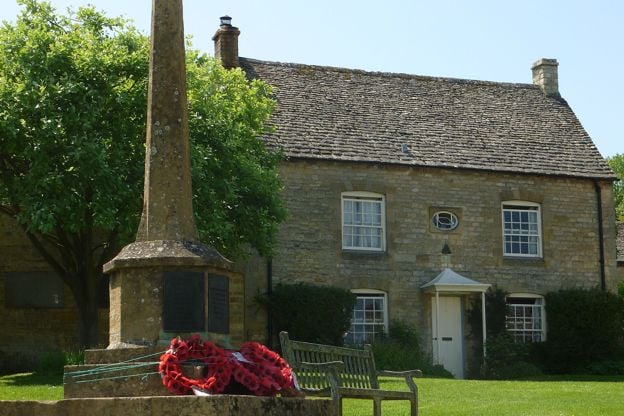
Blockley is a working village of stone houses along a brook in a steep valley, about 4 miles (7km) north-west of Moreton-in-Marsh, and it built its living on silk mills rather than wool. It is a working village rather than a show one, with no council car park, which is part of why it works on screen: there is little modern clutter to hide.
St Peter and St Paul stands by the square at the top of the lower slope. It is the village's Church of England parish church, Norman in the chancel and Georgian in its tower of 1725, and Countryfile records (opens in a new tab) that it becomes Father Brown's Roman Catholic church of St Mary on screen, with the vicarage used as his presbytery. The church is open every day from about 8.30am to 5.30pm. Inside, look for the Norman chancel, two medieval priests' brasses and the Rushout monuments; outside, the sundial of 1630 above the south porch. The vicarage is a private house, so look from the churchyard.
Countryfile adds that the interiors of Father Brown's kitchen and study, and Kembleford's police station, are filmed in the former hospital at Moreton-in-Marsh, and the convent of St Vincent, Sister Boniface's home, at Princethorpe College near Rugby. Neither is open to visitors.
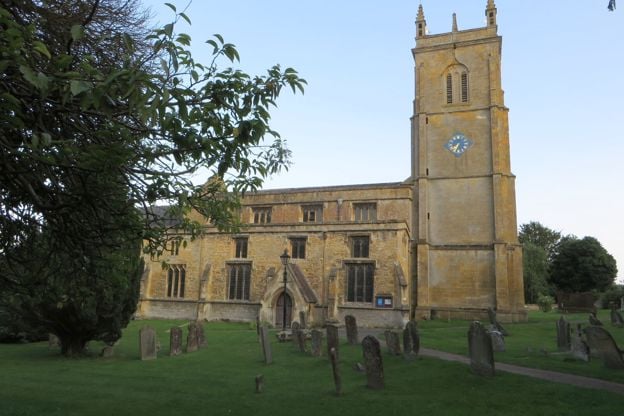
Visiting Blockley
There is no council car park. Park on the street near the church, within about 250m of it, which is tight on busy weekends; the Great Western Arms on Station Road, a Hook Norton pub with a courtyard patio, has its own car park; ask at the bar before you leave the car there for a walk. Stagecoach buses 1 and 2 between Stratford-upon-Avon, Chipping Campden and Moreton-in-Marsh stop in the village only about four times a day each way, so check the times before you rely on them.
For lunch, Blockley Café on Bell Lane opens from 9am to 5pm every day, with dogs allowed downstairs. The Great Western Arms opens from midday from Friday to Sunday and from 5pm on other days, with no food on Mondays and Tuesdays, so check before you plan a pub lunch. Walk down the High Street on the raised pavement to the Russell Spring, a stone niche with a spout, and on to the brook below the old mills.
Blockley has three walks of its own. The loop over Pasture Lane to Batsford Park is 4.9 miles (7.9km) with two climbs, the walk up through Norcombe Wood is 3 miles, and the path from Chipping Campden to Blockley makes a day of it with lunch at either end. Our two-day drive through the Cotswold film locations stops in Blockley on its first day.
Winchcombe station and the steam railway
The Gloucestershire Warwickshire Railway lists the BBC's Father Brown among the productions filmed on its line, and Countryfile names Winchcombe station as a location. The railway runs steam and diesel trains for 14 miles between Cheltenham Race Course and Broadway by Winchcombe and Toddington, on set days from spring to late autumn and over Christmas into the first days of January. Winchcombe station has limited free parking and is about 20 minutes' walk from the town, and dogs ride for £5.
A day rover lets you ride the whole line and get off where you like, which suits a Father Brown day. Get off for Winchcombe, a walkers' town below the escarpment with Sudeley Castle on its edge, or ride on to Toddington, where the engine shed is.
Guiting Power, Upper Slaughter, Stanway and Broadway Tower
Countryfile's list of other locations takes in Guiting Power, a small stone village round a green with a twelfth-century church, and Upper Slaughter, a village round a ford on the River Eye with almost nothing to buy. Guiting Power has a small car park at the village hall, signed from the green, with an honesty box; Upper Slaughter has no public car park, so walk in from Lower Slaughter or Bourton-on-the-Water.
Stanway House, the Jacobean house of the Tracys and their descendants the Earls of Wemyss, below the escarpment near Winchcombe, is on the list too. It opens only on Tuesday and Thursday afternoons, 2pm to 5pm, in June, July and August, when its fountain plays. Broadway Tower, James Wyatt's folly of 1798 on Beacon Hill, stood in for Helmsley Tower in the episode The Tower of Lost Souls, Countryfile says, and the model village at Bourton-on-the-Water, a one-ninth scale copy of the village as it was in the 1930s, had an episode of its own. Countryfile also names Broughton Castle, near Banbury, which our sister site Banburyshire covers.
Beyond the Cotswolds
The production has travelled further in recent series. Countryfile lists locations for series thirteen as far apart as Chateau Impney at Droitwich, the Theatre in Chipping Norton, the Crown Court at Warwick, a former convent in Great Malvern, the Fleece Inn at Bretforton and St Michael and All Angels at Great Witley, and Weston-super-Mare. Blockley is still Kembleford, and still the place to start.
The Cotswolds Info newsletter
Events, new places and the best of the season, about once a month. Unsubscribe at any time.
Myths and half-truths
Kembleford is a real village. It is not. Kembleford is invented, and despite its name it is not Kemble, near Cirencester; on screen it is Blockley.
St Mary's is a Catholic church. Only on television. St Peter and St Paul is Blockley's Church of England parish church, and it plays a Catholic church in the series.
Sudeley Castle, Snowshill and Chastleton were in the series. They are often listed, Sudeley's chapel especially, but we have found them only on IMDb, which anyone can edit, and on tour operators' pages. We have not seen the BBC, the production or the houses themselves confirm them, so they stay unconfirmed here.
You can watch filming in the church. Do not plan on it. The production does not publish its days, the church is a parish church in use, and a crew on location will ask you to stand back.
Mentioned in this story
The places, sights and walks in this story, each with a page of its own: what it is, when to go and how to get there.
-
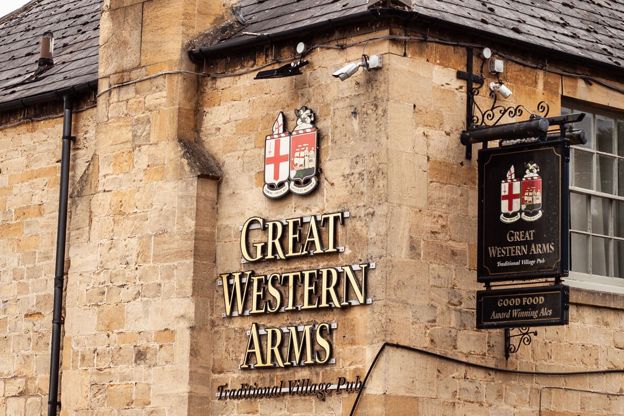
Great Western Arms
Pubs · Blockley
-
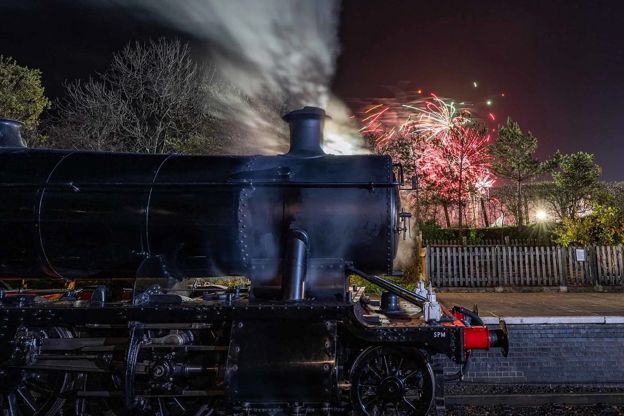
Gloucestershire Warwickshire Steam Railway
Family days out · Winchcombe
-
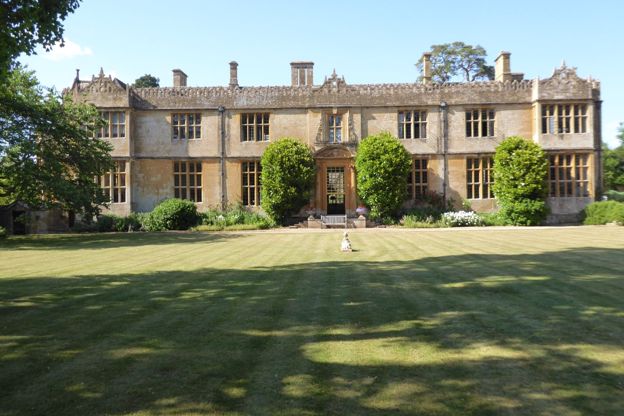
Stanway House and Fountain
Historic houses and heritage · Stanway
-
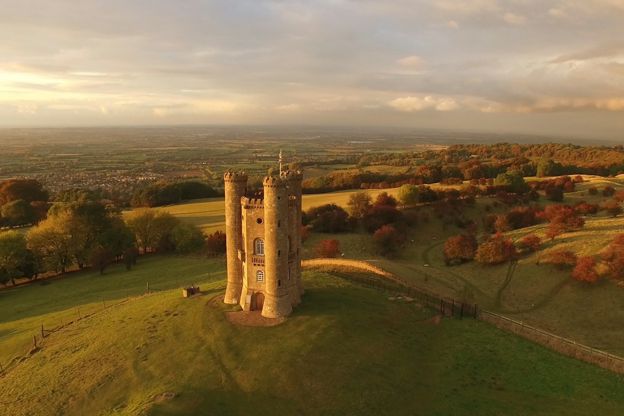
Broadway Tower
Historic houses and heritage · Broadway
-
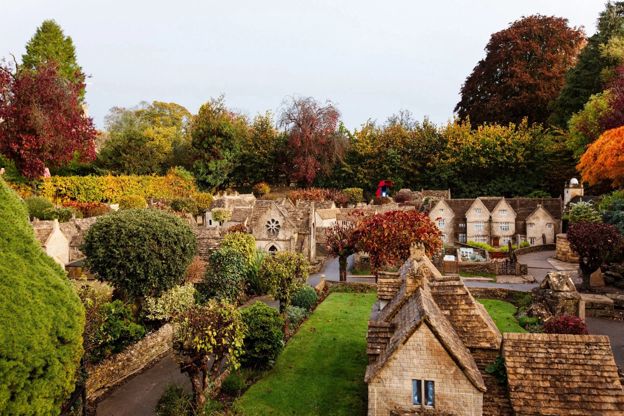
The Model Village, Bourton-on-the-Water
Family days out · Bourton-on-the-Water
-
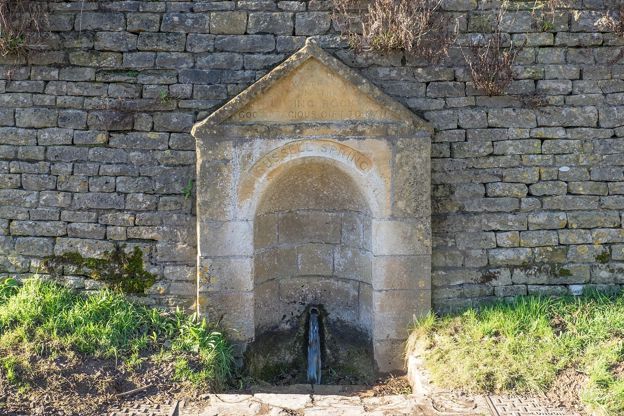
Russell Spring, Blockley
Sight · Monument · Blockley
-
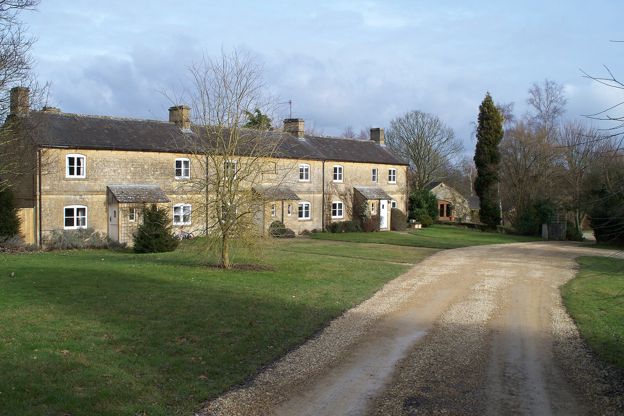
Blockley and Norcombe Wood
Walk · Starts in Blockley · 1 hr, 15 mins · Circular
-
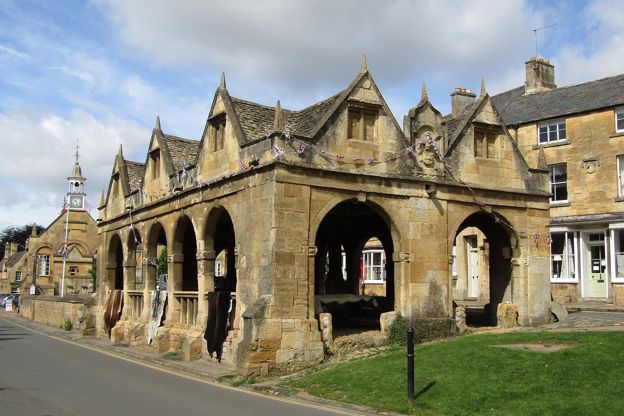
Chipping Campden to Blockley
Walk · Starts in Chipping Campden · 3 hrs, 45 mins · Circular
Places to stay near Blockley
-
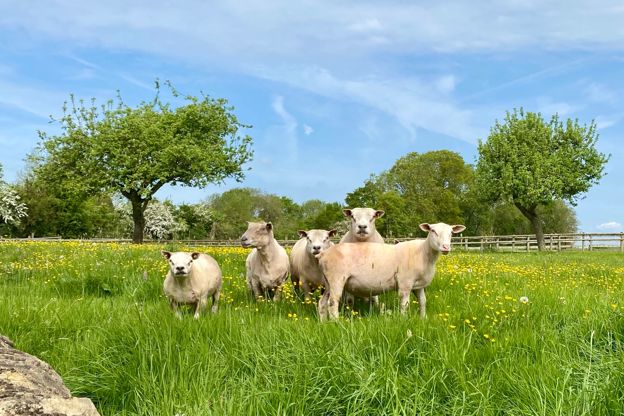
Old Farm, Dorn
Self-catering · Moreton-in-Marsh
A working regenerative farm at Dorn, about a mile from Moreton-in-Marsh, with a holiday let in its shearing shed, a studio and a ten-pitch campsite.
Verified Oct 2026
-
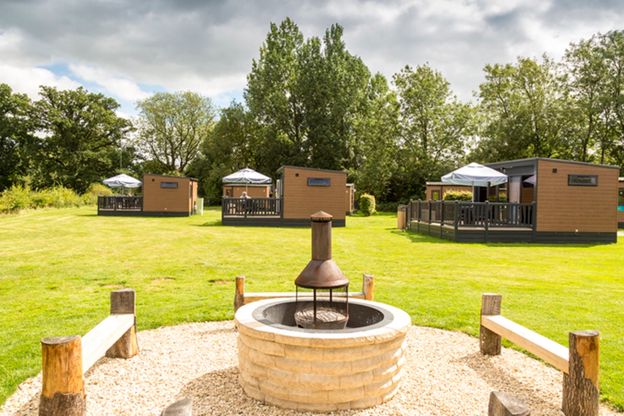
Moreton-in-Marsh Club Campsite
Camping · Moreton-in-Marsh
The Caravan and Motorhome Club's site on Bourton Road, Moreton-in-Marsh, open all year, with 184 touring pitches, ten pods and a dog walk.
Dog-friendly · Family-friendly · Walker-friendly
Verified Nov 2026
-
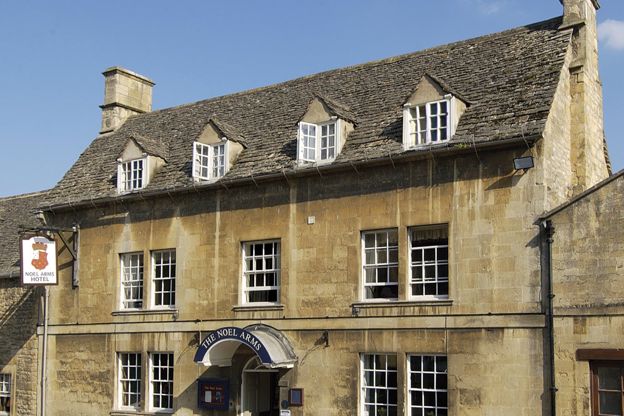
The Noel Arms Hotel
Inn · Chipping Campden
A Grade II listed inn with 27 rooms on Chipping Campden's High Street, with a restaurant, parking, accessible rooms and dogs by arrangement.
Dog-friendly
Verified Oct 2026
Read next
-
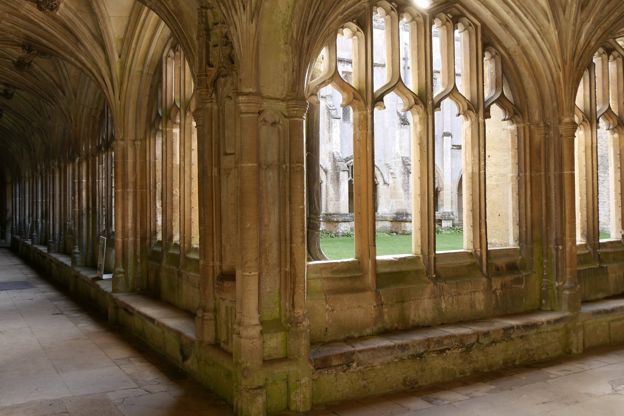
Cotswold film and TV locations
Story · Guides · 11 minute read
Where Clarkson's Farm, Downton Abbey, Harry Potter, Father Brown, Poldark, Bridget Jones and Cider with Rosie were filmed in and around the Cotswolds, what you can see today, and the claims that do not stand up.
-
Bridget Jones at Snowshill: the village of her parents
Story · Guides · 4 minute read
Snowshill, above Broadway, was the village of Bridget's parents in Bridget Jones's Diary: St Barnabas church and the cottages round it, what you can see, Snowshill Manor and the lavender, and how to get there.
-
Downton Abbey in the Cotswolds: Bampton, Cogges and Lacock
Story · Guides · 7 minute read
The Downton Abbey locations you can visit around the Cotswolds: Bampton as the village of Downton, Cogges as Yew Tree Farm and Lacock's livestock show and royal parade, with what each custodian confirms.