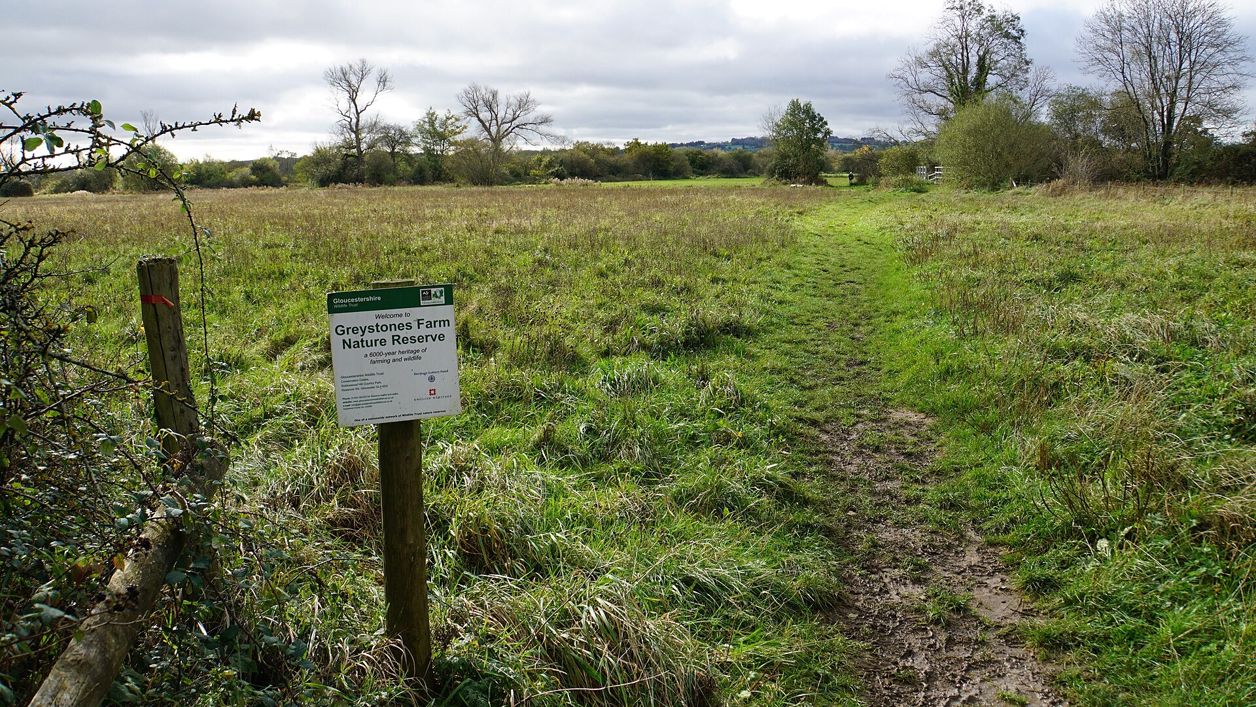
Bill Boaden, CC BY-SA 2.0, via Wikimedia Commons
Greystones Farm nature reserve
Greystones Farm is Gloucestershire Wildlife Trust's 66-hectare farm reserve on the edge of Bourton-on-the-Water: flower-rich meadows that are an SSSI, the Dikler and the Eye, a replica roundhouse and the banks of Salmonsbury Camp. Free and open all year.
Nature reserve
Bourton-on-the-WaterGreystones Farm is a nature reserve of Gloucestershire Wildlife Trust on Greystones Lane, about five minutes' walk from the middle of Bourton-on-the-Water. Its 66 hectares of old meadows and pasture are a Site of Special Scientific Interest, the Rivers Dikler and Eye run through it, and it takes in the Iron Age banks of Salmonsbury Camp. It is free and open all year.
History
Greystones is a farm on ground that people have used since the Neolithic. The Trust describes Salmonsbury Camp as a Neolithic and Iron Age meeting place, and the scheduling records flint flakes and Late Neolithic or Early Bronze Age pottery found there as well as the Iron Age settlement and Roman occupation from the later first to the early fourth century. The camp gave its name to the Salmonsbury hundred, whose courts, by tradition, assembled at its northern entrance through the Middle Ages.
The site is a Site of Special Scientific Interest for its wildflower-rich meadows. The Trust now runs the farm for wildlife and for learning, with programmes for schools and a replica Iron Age roundhouse that shows the kind of home people here lived in. In July 2025 the Trust gave a year's notice to the company that ran the farm's dairy herd, planning to bring back a traditional beef herd by autumn 2026 for closer control of the grazing; the rights of way and permissive paths stay open.
What to see
In early summer the meadows are the reason to come. Look for ragged-robin, great burnet, meadowsweet, devil's-bit scabious and common knapweed, and for butterflies over them: orange-tip, brimstone, small copper, meadow brown and ringlet. The Trust says the old farm buildings are used by swallows and house martins, along with owls and bats.
Along the rivers, the Trust records otter and water vole on the banks of the Dikler and the Eye, though both are hard to see. The Trust's list of birds also includes grey heron, little egret, sedge warbler, coot, great crested grebe and hobby, and harvest mice and bank voles live in the grass. In the wetter months the meadows walk is closed, partly to protect birds such as snipe.
The archaeology is on the ground too. A path from the farmyard leads to the replica roundhouse, and the banks of Salmonsbury Camp, each with its ditch outside, still stand up to 2m high on the north, east and south sides. The Trust's named routes are the Wildlife Walk and the Time-Travel Trail, and the Oxfordshire Way also crosses the reserve.
Visiting
Greystones Farm is free and open access all year, on marked paths; please keep to them. The meadows walk is closed through autumn and winter, and into spring if the water is high, to protect birds such as snipe and stop the meadows being damaged. May to September is the best time to visit.
Dogs are welcome on the public rights of way and permissive paths on a lead, and on a short lead of no more than 2m from 1 March to 31 July; cattle graze some fields, and the Trust has put three dog bins on the reserve. The path from the farmyard to the roundhouse is suitable for wheelchairs and pushchairs, and the rest of the reserve is gently undulating with no stiles, but it is often wet underfoot after rain. Seats are few: the only bench is by the River Eye. There are no toilets or café at the farm; the nearest public toilets are at the Rissington Road car park.
Getting there
There is no car park at the reserve. Park in Bourton and walk: the Trust names the public pay and display car park on Station Road (GL54 2AA), behind the petrol station, as the nearest, and the council's Rissington Road car park (GL54 2BN) charges from 10am to 8pm, so it is free before 10am. The farm's address is Greystones Lane, GL54 2EN. The Pulhams 801 bus from Cheltenham, Stow and Moreton-in-Marsh station stops in the village.
Two of our walks cross the reserve. Bourton, Salmonsbury and the lakes, an easy 2-mile loop from the High Street, crosses the reserve over Salmonsbury Camp, and Bourton-on-the-Water and Wyck Rissington, a 4-mile walk without stiles, passes the roundhouse in its first mile before following the Oxfordshire Way to St Laurence's Church.
Nearby
Back in the village, the war memorial and Narrow Bridge are on the river about 900m away. The Old New Inn, the Croft and the Willow are the nearest places to eat, and Birdland on Rissington Road makes a pair with the reserve for families. Our guide to the Cotswolds with children has more ideas.
Walks past Greystones Farm nature reserve
-
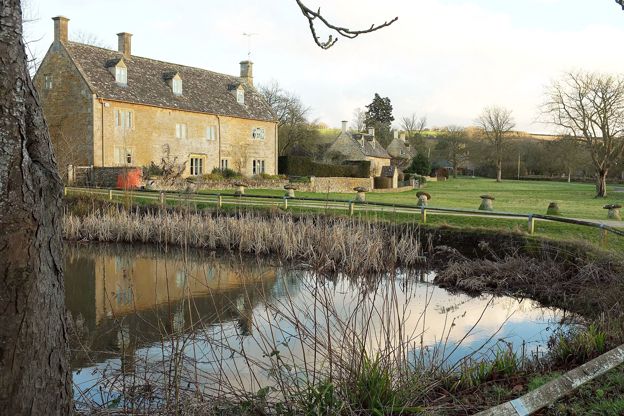
Bourton-on-the-Water and Wyck Rissington
Walk · Starts in Bourton-on-the-Water · 2 hrs · Circular
A 4-mile (7km) circular walk from the war memorial in Bourton-on-the-Water, about two hours, easy and without stiles but muddy at times. It passes a roundhouse on Greystones Farm, crosses the Eye and the Dikler to Wyck Rissington's church, and returns by Rissington Mill.
-
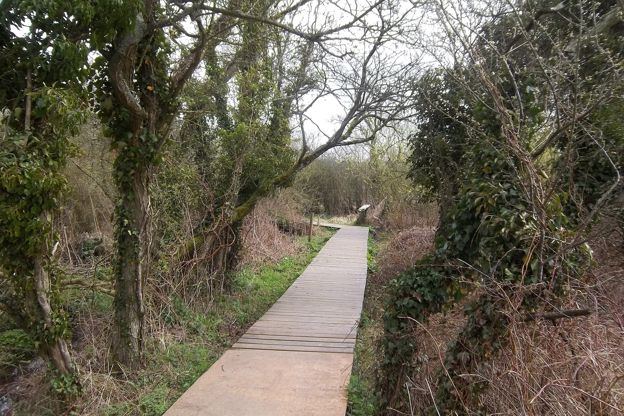
Bourton, Salmonsbury and the lakes
Walk · Starts in Bourton-on-the-Water · 45 mins · Circular · Dog-friendly
A 2-mile (3.1km) circular walk from the middle of Bourton-on-the-Water, flat and easy, in 45 minutes to an hour. It goes out along Rissington Road and back through Greystones Farm reserve, past a replica roundhouse and the banks of Salmonsbury Camp, and is often wet underfoot.
-
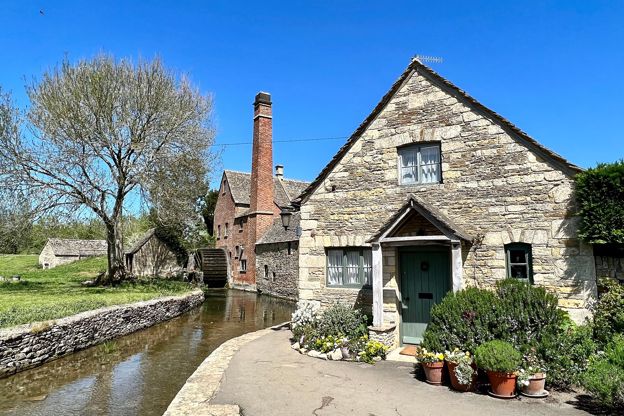
Bourton, Upper Slaughter and Lower Slaughter
Walk · Starts in Bourton-on-the-Water · 2 hrs, 15 mins · Circular
A 6-mile (9.7km) circular walk from Rissington Road in Bourton-on-the-Water, two to two and a half hours of moderate walking with a few stiles. It heads west on bridleways, up a quiet lane to Upper Slaughter, and down the River Eye to Lower Slaughter's mill.
Stay and eat near Greystones Farm nature reserve
-
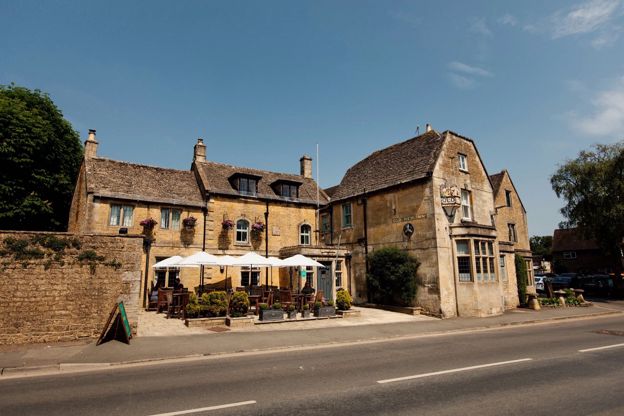
The Old New Inn
Pubs · Bourton-on-the-Water
A Grade II listed eighteenth-century inn in Bourton-on-the-Water with nine rooms, classic British food, a beer garden and the Model Village in its grounds.
Dog-friendly
Verified Nov 2026
-
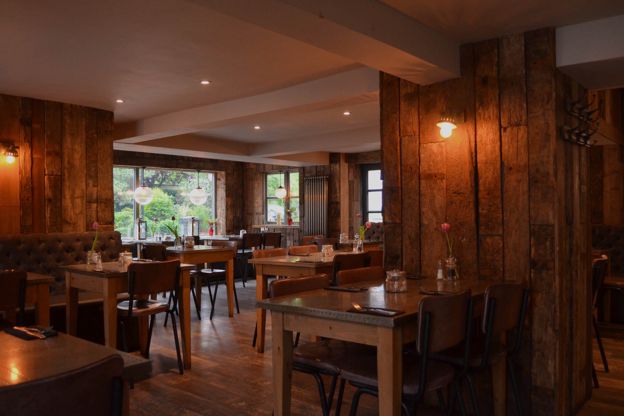
The Croft
Cafes and tearooms · Bourton-on-the-Water
A café and restaurant on Riverside in Bourton-on-the-Water, by the Windrush, serving breakfast, lunch and afternoon tea daily and dinner on Fridays and Saturdays.
Dog-friendly · Family-friendly
Verified Nov 2026
-
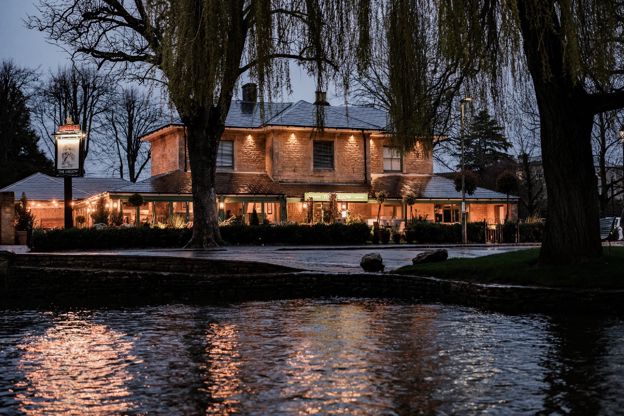
The Willow
Pubs · Bourton-on-the-Water
A Fuller's pub on the High Street in Bourton-on-the-Water, open from 10am, with a garden and outside seating, food all day, and dogs and families welcome.
Dog-friendly · Family-friendly
Verified Oct 2026
Stories about Greystones Farm nature reserve
-
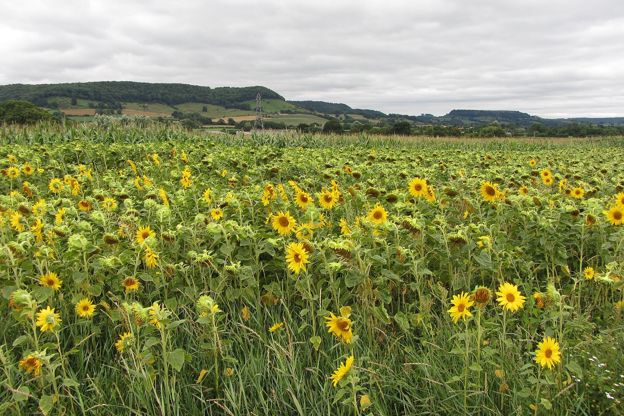
The Cotswolds in August
Story · Guides · 8 minute read
The Cotswolds in August: the busiest month in the famous villages, the football in the river at Bourton, Big Feastival, sunflowers and pick-your-own, the last weeks of the summer-only houses, quiet valley walks, and how to plan round the school holidays and the bank holiday.
More sights to see
-
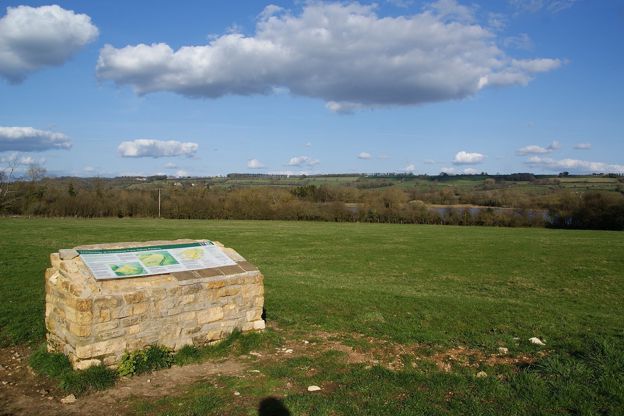
Salmonsbury Camp
Sight · Hill fort or barrow · Bourton-on-the-Water
Salmonsbury Camp is an Iron Age fortified enclosure of about 23 hectares just east of Bourton-on-the-Water, its double banks still up to 2m high on three sides, with Roman and Saxon finds and a charter of AD 779. A scheduled monument on Greystones Farm reserve.
-
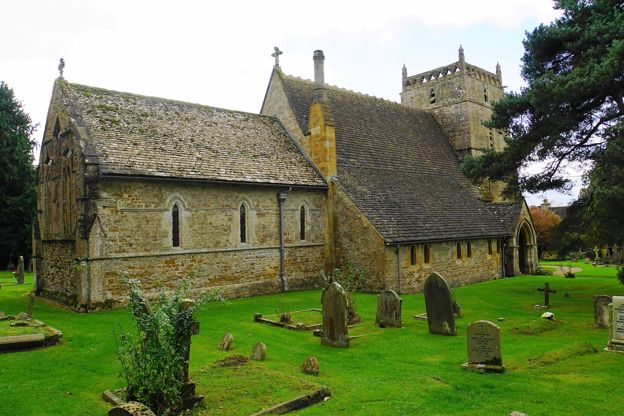
St Laurence's Church, Wyck Rissington
Sight · Church · Bourton-on-the-Water
St Laurence's is the Grade I church of Wyck Rissington near Bourton-on-the-Water, consecrated in 1269, where the young Gustav Holst was organist in 1892 and 1893. It keeps a Norman corbel table, diamond-shaped lights and a mosaic of a rector's lost maze. Open daily in daylight.
-
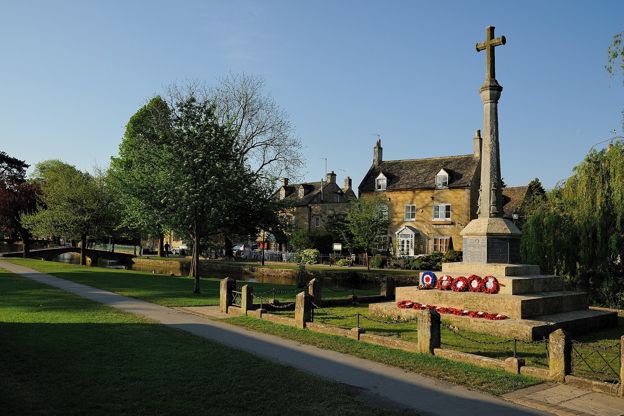
Bourton-on-the-Water war memorial
Sight · Monument · Bourton-on-the-Water
Bourton-on-the-Water's war memorial is a tall stone cross of 1920 on the green beside the Windrush, raised by the village for its 27 men who died in the First World War, with 12 names added after the Second. Listed Grade II; open at all times.