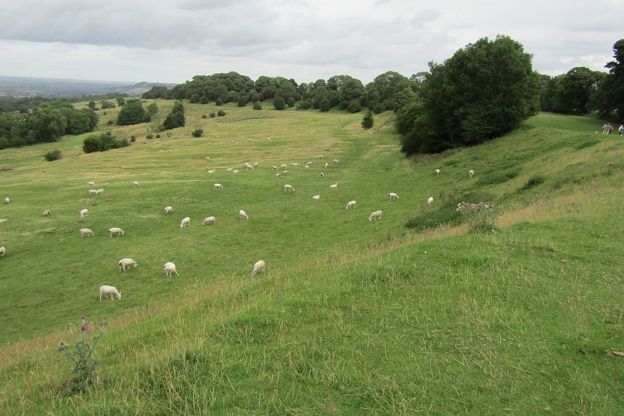
Burnt Norton: a fire and a poem
Story · Strange Things · 3 minute read
In 1741 Sir William Keyt set fire to his mansion near Chipping Campden and died in the flames. Nearly two centuries later the ruin gave T. S. Eliot a poem.
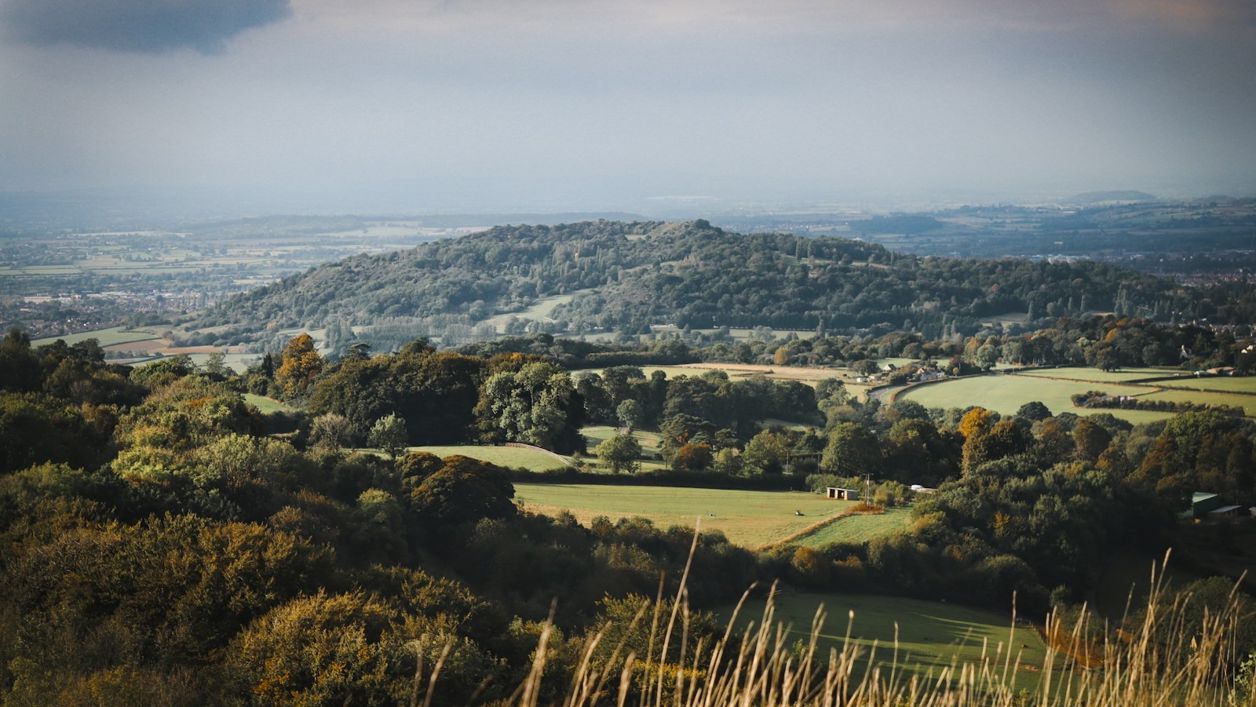
Sam Williams on Unsplash
Customs, legends, ghosts and odd corners of history: the strange side of the Cotswolds, with the record and the legend kept apart.
18 stories
Story · Strange Things · 3 minute read
In 1741 Sir William Keyt set fire to his mansion near Chipping Campden and died in the flames. Nearly two centuries later the ruin gave T. S. Eliot a poem.
Story · Strange Things · 4 minute read
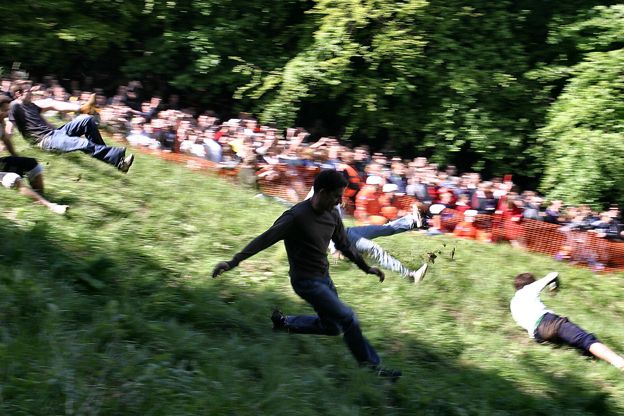
Every spring bank holiday people hurl themselves down Cooper's Hill near Gloucester after a Double Gloucester cheese. The race is old, unofficial and dangerous.
Story · Strange Things · 3 minute read
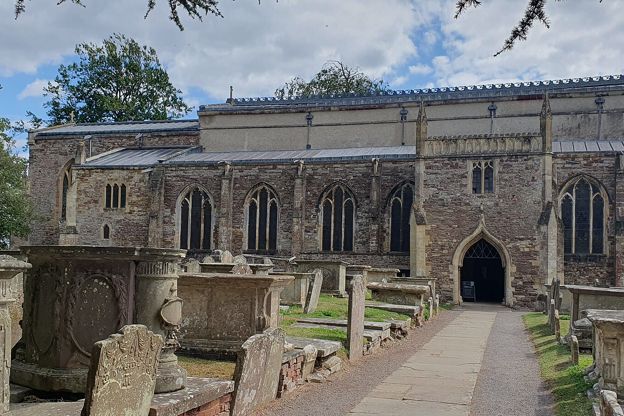
In Berkeley churchyard, below the Cotswold edge, a chest tomb remembers Dicky Pearce, the Earl of Suffolk's fool, killed in revelry at Berkeley Castle.
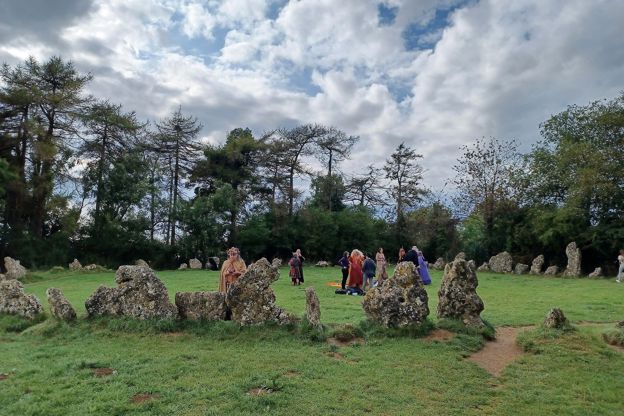
Story · Strange Things · 5 minute read
Alfred Watkins saw straight old tracks across the English landscape in 1921. Later writers made them lines of mystic energy. Here is what is actually known.
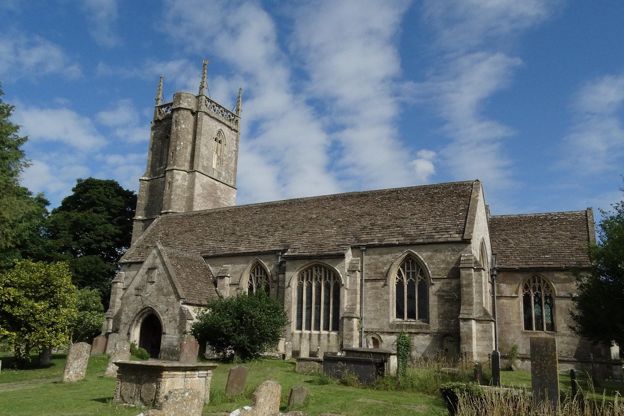
Story · Strange Things · 4 minute read
The Christmas mummers' plays of the Cotswolds: Marshfield's Paper Boys on Boxing Day, the Chipping Campden mummers, and the Gloucester play revived in 1969.
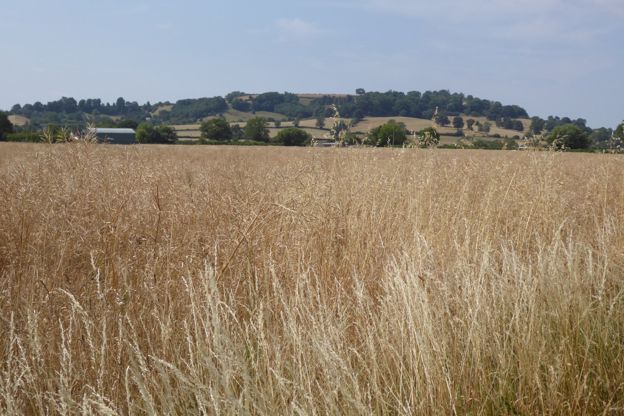
Story · Strange Things · 4 minute read
Maypoles, wassails, well dressing and cheese rolling are often called pagan fertility rites. Here is what historians have actually found, and what is a modern myth.
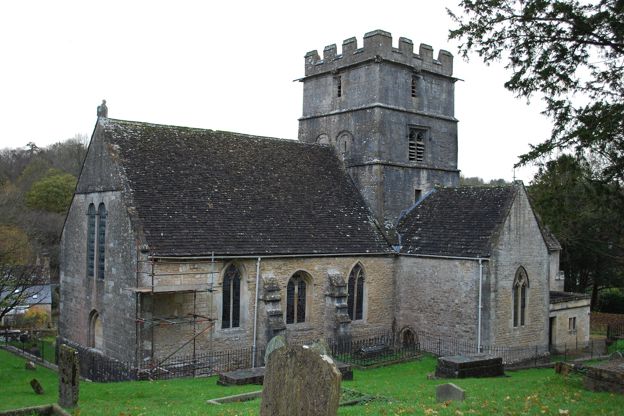
Story · Strange Things · 4 minute read
Every other September, Avening carries a pig's head in procession, a feast its legend ties to Queen Matilda, a spurned Saxon lord and the founding of its church.
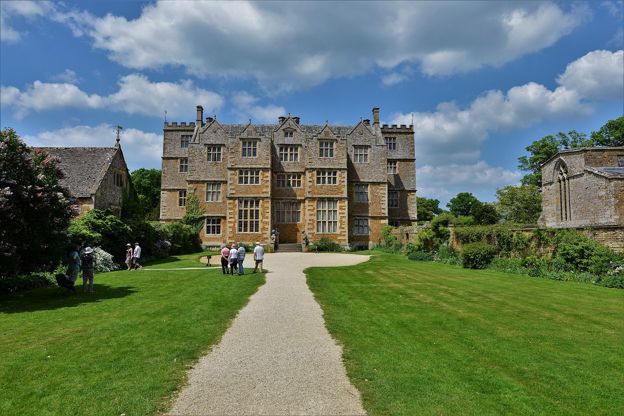
Story · Strange Things · 4 minute read
The leader of the Gunpowder Plot, Robert Catesby, lived at Chastleton on the Oxfordshire edge of the Cotswolds before selling it in 1602, three years before the plot.
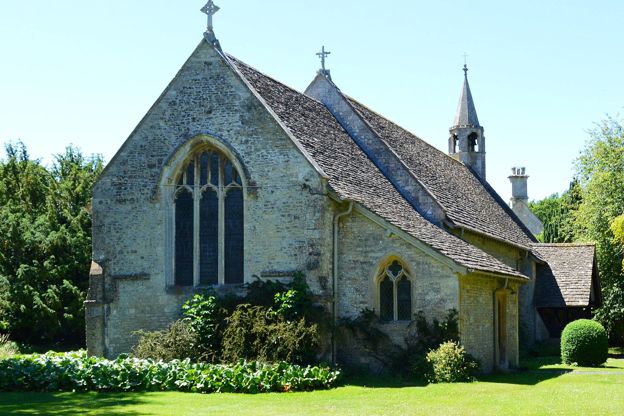
Story · Strange Things · 5 minute read
The crusading orders held land in the Cotswolds: the Templars at Temple Guiting until their fall in 1308, and the Knights Hospitaller at Quenington until 1540.
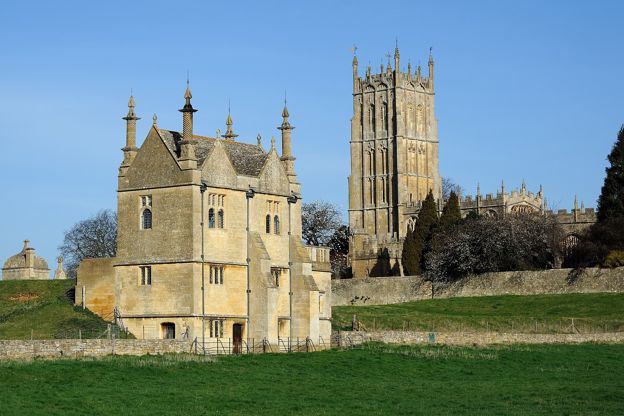
Story · Strange Things · 4 minute read
In 1660 a Chipping Campden steward vanished and three people were hanged for his murder. Two years later he came home, with a tale of Turkish slavery.
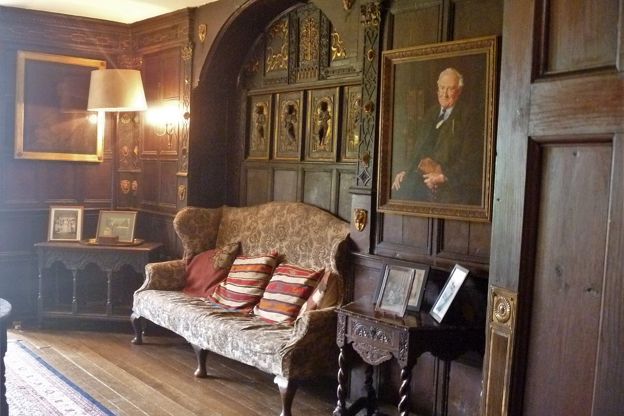
Story · Strange Things · 4 minute read
Two Cotswold houses have stories of Charles I: the Court House at Painswick, where tradition says he stayed in 1643, and Chavenage, near Tetbury, where legend says his ghost drove a hearse.
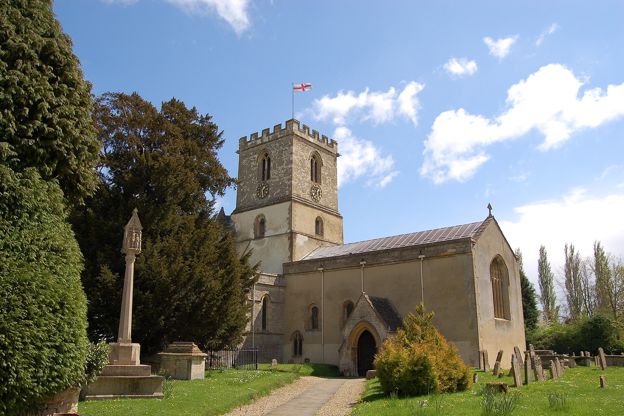
Story · Strange Things · 3 minute read
In the summer of 1718 two young harvest workers, engaged to marry, were killed by lightning at Stanton Harcourt. Alexander Pope, staying nearby, wrote their epitaph.
The Cotswolds keep some of England's oddest customs. Runners chase a cheese down Cooper's Hill and carry woolsacks up a hill in Tetbury. Bisley's children dress the village wells on Ascension Day, Avening carries a pig's head in procession, and the Marshfield mummers fight and die in the street every Boxing Day. In midwinter there is wassailing.
We like a good legend, but we keep it apart from the facts. Read about the man who came back from the dead in Chipping Campden, the lost lord of Minster Lovell, the ghost of Charles I, the Templars and Hospitallers, and whether Cotswold customs are pagan at all. On the darker side of the record are wife sales in the Oxfordshire market towns, the lovers of Stanton Harcourt, Robert Catesby and Chastleton and ley lines at the Rollright Stones.
A sundial in Woodstock that writes seven as IIV, a jester's tomb at Berkeley, a monk who flew from Malmesbury Abbey, wall paintings of St James at Stoke Orchard, and the fire that gave T. S. Eliot Burnt Norton.
Many of these places are free. The wells at Bisley are on Wells Road, Minster Lovell Hall is open in daylight, Belas Knap is a steep climb of just over half a mile from a small lay-by on the lane above Winchcombe, and the St James paintings are in the small church at Stoke Orchard, which has no regular opening times but holds a service at 9.30am on the second and fourth Sundays of the month; otherwise check with the parish before you make a special trip. At Malmesbury, the Athelstan Museum tells the story of Eilmer, the monk who flew. The Rollright Stones, with their legend of a king and his knights turned to stone, ask a small fee.
Every Strange Things story says what is on record, with its source, and where the legend begins. Where a famous tale turns out to have no evidence, such as the Tolkien door at Stow or Morris's line about Bibury, we say so, and we drop stories we cannot stand behind.
Where the stories happened, and what you can see there now.
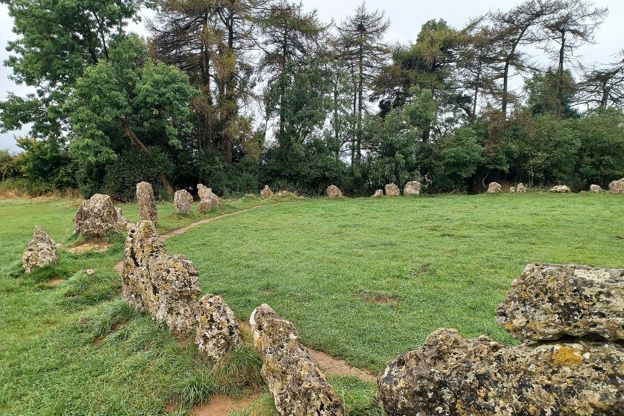
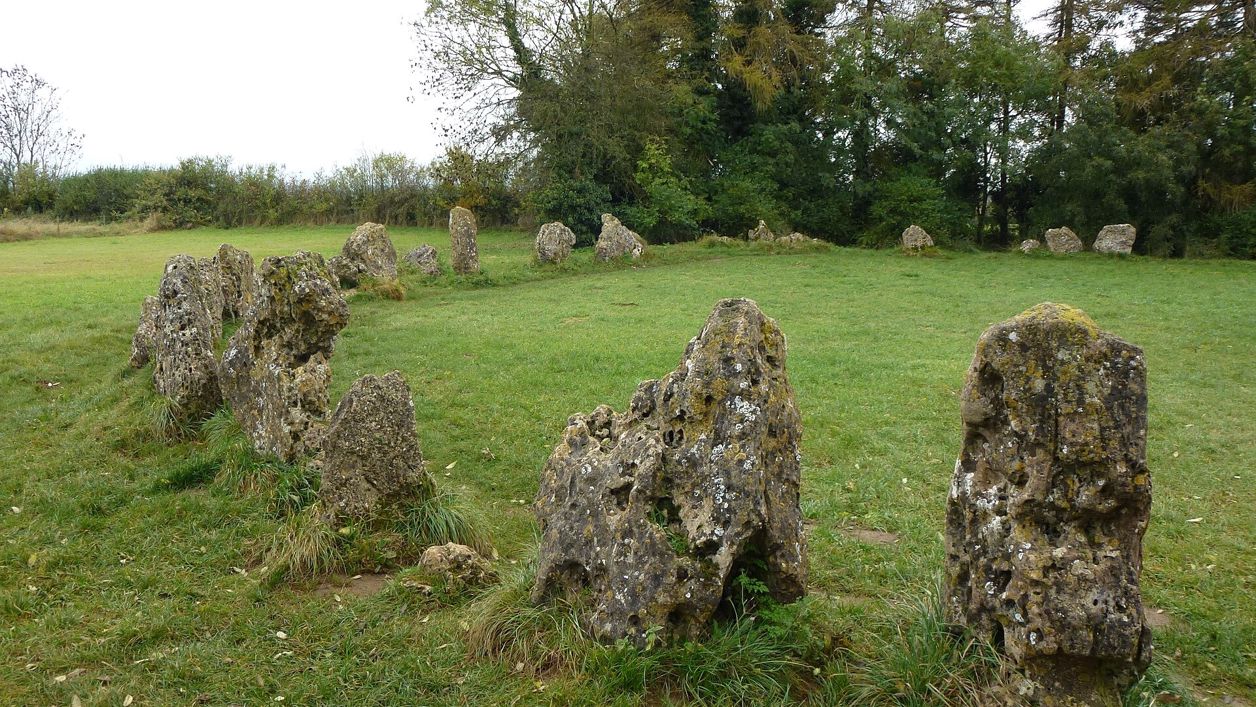
Sight · Hill fort or barrow · The Oxfordshire Cotswolds
The Rollright Stones are three prehistoric monuments on a ridge on the Oxfordshire and Warwickshire border, built over nearly 2,000 years: the Whispering Knights burial chamber of about 3800 BC, the King's Men circle of about 2500 BC and the King Stone. Open daily; small fee.
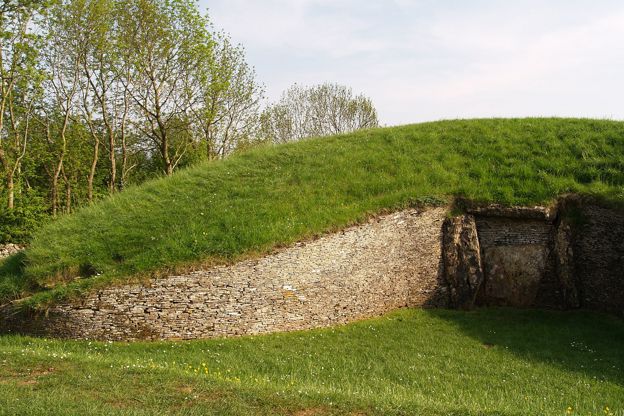
Historic houses and heritage · Winchcombe
A Neolithic long barrow on the hill above Winchcombe, with a false entrance and side chambers, free to visit and on the Cotswold Way.
Walker-friendly
Verified Oct 2026
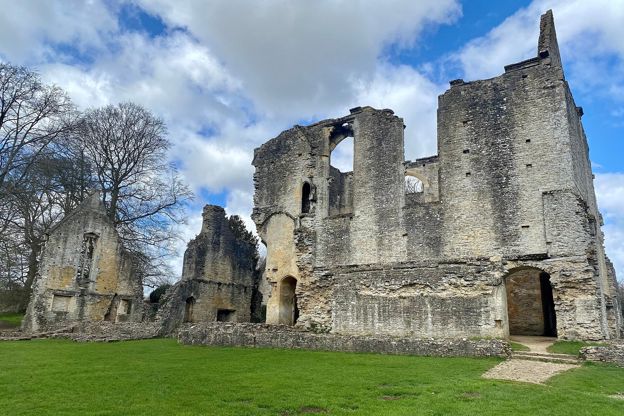
Historic houses and heritage · Witney
The ruins of a fifteenth-century manor house by the River Windrush between Burford and Witney, with a round dovecote, free to visit in daylight.
Dog-friendly · Walker-friendly
Verified Oct 2026
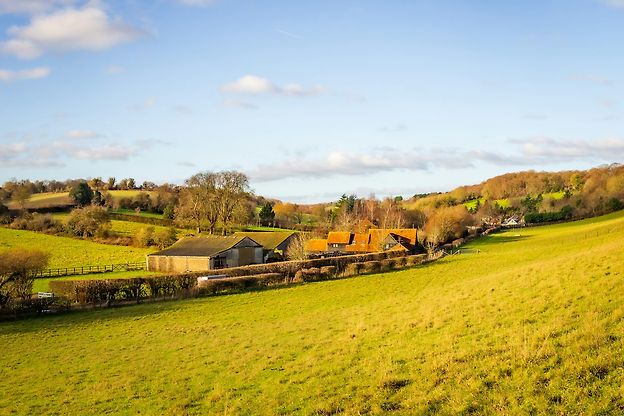
Sight · Historic building · Painswick
The Court House is a gabled stone manor house of 1604 on Hale Lane, beside Painswick churchyard, with a panelled court room and a bedroom named after Charles I. Listed Grade I, it is a private home seen from the lane and the churchyard.
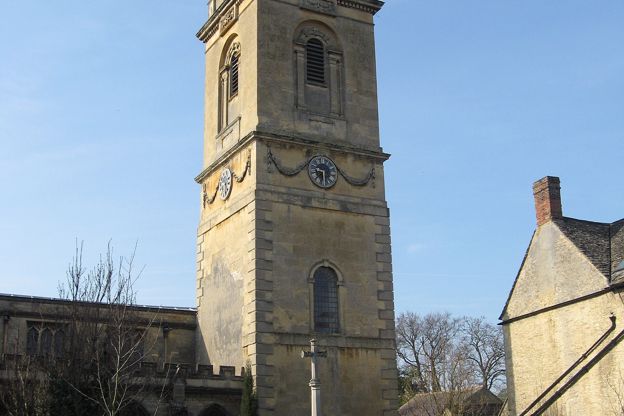
Sight · Church · Woodstock
St Mary Magdalene is Woodstock's church on Park Street, founded with the twelfth-century town and long a chapel of Bladon, with a Norman zigzag doorway, a classical tower of 1784 to 1786 with chimes of 1792 made to play tunes, and a sundial with odd numerals. Grade II*.
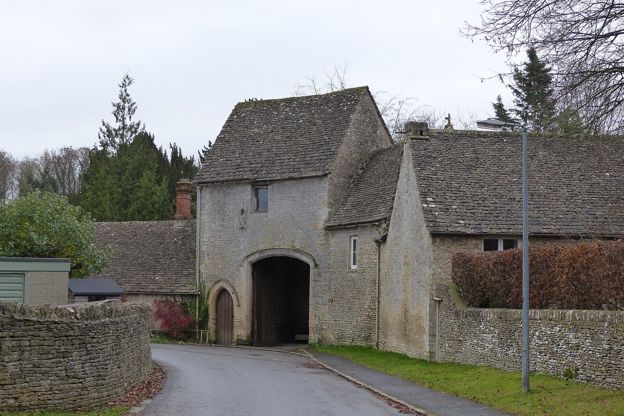
Sight · Historic building · Cirencester and the Coln Valley
The fourteenth-century gatehouse of the preceptory the Knights Hospitallers founded at Quenington in about 1193, partly rebuilt in the early sixteenth century, beside St Swithin's church. Grade I; on private land, seen from Church Road.
Customs, legends and odd corners of the Cotswolds, about once a month.
Cheese rolling at Cooper's Hill, the Tetbury Woolsack Races, well dressing at Bisley, Pig Face Day at Avening, the Marshfield mummers and wassailing.
They are legends. Our stories say what is on record and where the legend takes over.
Unofficially, on the spring bank holiday Monday, the last Monday in May.
What is on, what is new and what is in season in Cotswolds Info, in your inbox about once a month.