Things to do · Nailsworth
Gigg Mill Weaving Shed, Nailsworth
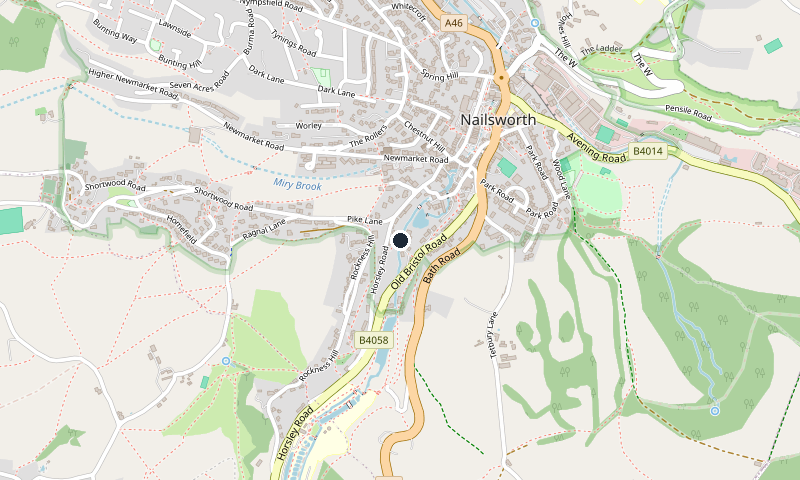
The Stroudwater Textile Trust's weaving shed on the Old Bristol Road at Nailsworth, where guides work hand-looms and a power loom and you can try weaving.
Family-friendly · Rainy days
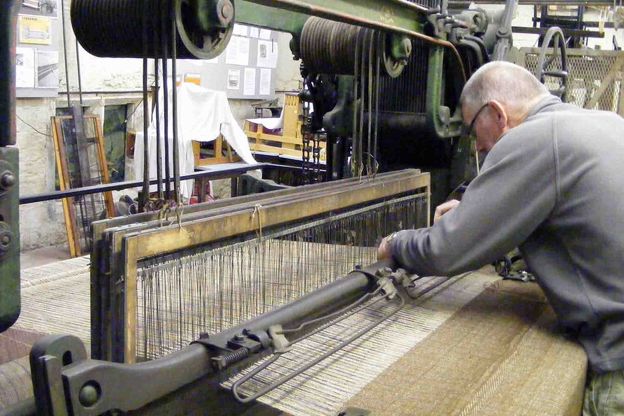
A 45-minute guided visit to the looms that made Stroud's cloth, run by volunteers who will let you weave a few centimetres yourself. Open only on set days, so plan round them and book.
- Good: Try weaving on a historic loom
- Good: Under-8s free, under-18s and students £2 (2026)
- Good: Open monthly through the winter, while Dunkirk Mill is closed
- Good: Dye-plant garden at the entrance
- Worth knowing: Open on set days only; book, as space is limited
- Worth knowing: Path not suitable for wheelchairs; two steps at the entrance
About
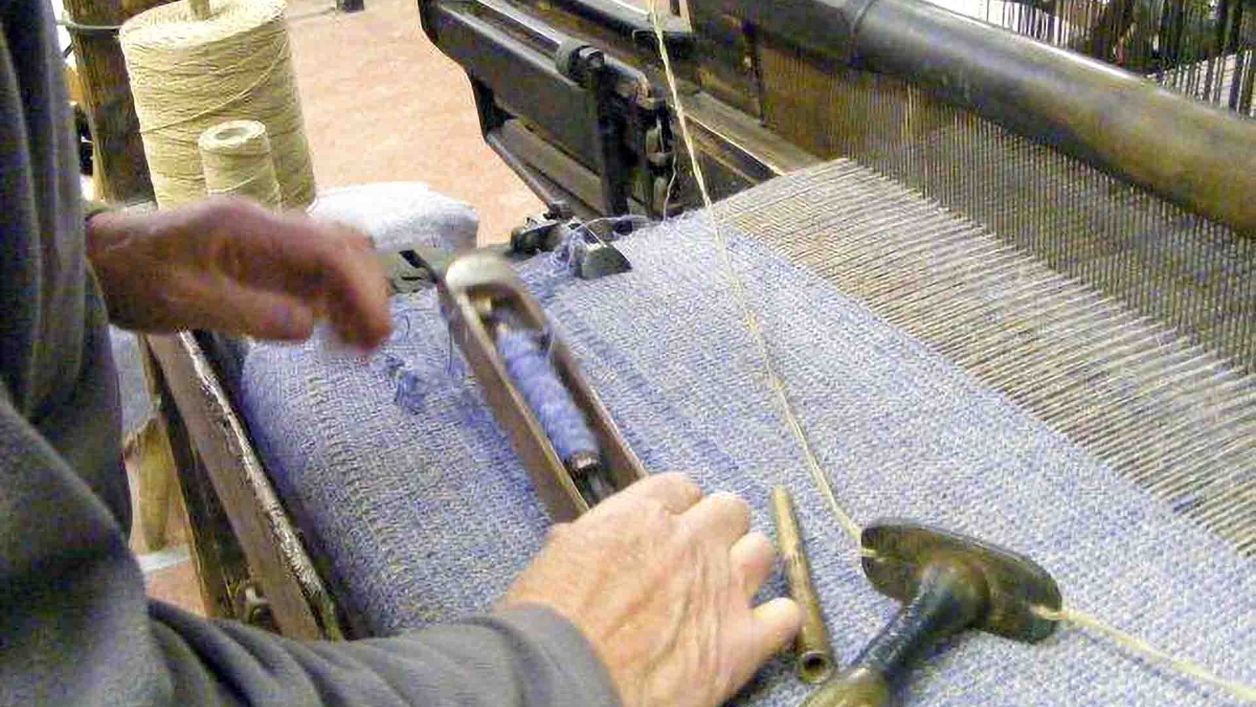
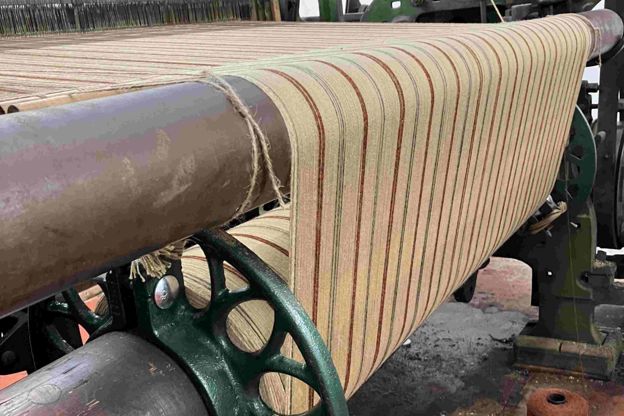
Gigg Mill on the Old Bristol Road, a short way out of Nailsworth towards Horsley, has a weaving shed run by the Stroudwater Textile Trust. Volunteer guides show and work its historic and modern looms, from hand-looms, including an 1830s loom with a dobby, to a 1950s Dobcross power loom, explain the flying shuttle, and let visitors try weaving a few centimetres of cloth themselves. Woad and other dye plants grow in the garden at the entrance.
Visits are guided and last 45 minutes, starting at 10am and 11am on open days. The mill opens regularly in spring and summer and once a month in autumn and winter: the next dates are 14 November 2026, then 23 January, 20 February and 20 March 2027. Booking ahead is strongly advised, as the shed holds few people and those without a booking may be turned away.
Prices and getting there
In October 2026 the trust charged £7 for adults and £2 for under-18s and students; under-8s and trust members go free, and children must come with an adult. There is some parking nearby, or park for the day at Egypt Mill and register your number plate inside. The path is not suitable for wheelchairs. There are toilets at the mill but nothing else; Ruskin Mill, a short walk on, has a coffee shop.
The trust's other mill, Dunkirk Mill Museum, is closed until spring 2027, when the two can again be seen on the same day.
Opening hours and season
Open days 14 November 2026, 23 January, 20 February and 20 March 2027, with visits at 10am and 11am. Open more often in spring and summer.
Facilities
- ToiletsAt the mill; no other amenities
- ParkingA little nearby, or all day at Egypt Mill
- DogsAssistance dogs welcome; others at the guide's discretion
The details
- Time to allow
- 45 minutes
- Features
- Guided tours
- History
- Run by the Stroudwater Textile Trust, charity 1078398
- Parking
- Some parking nearby; or park all day at Egypt Mill and register your number plate inside.
Photos
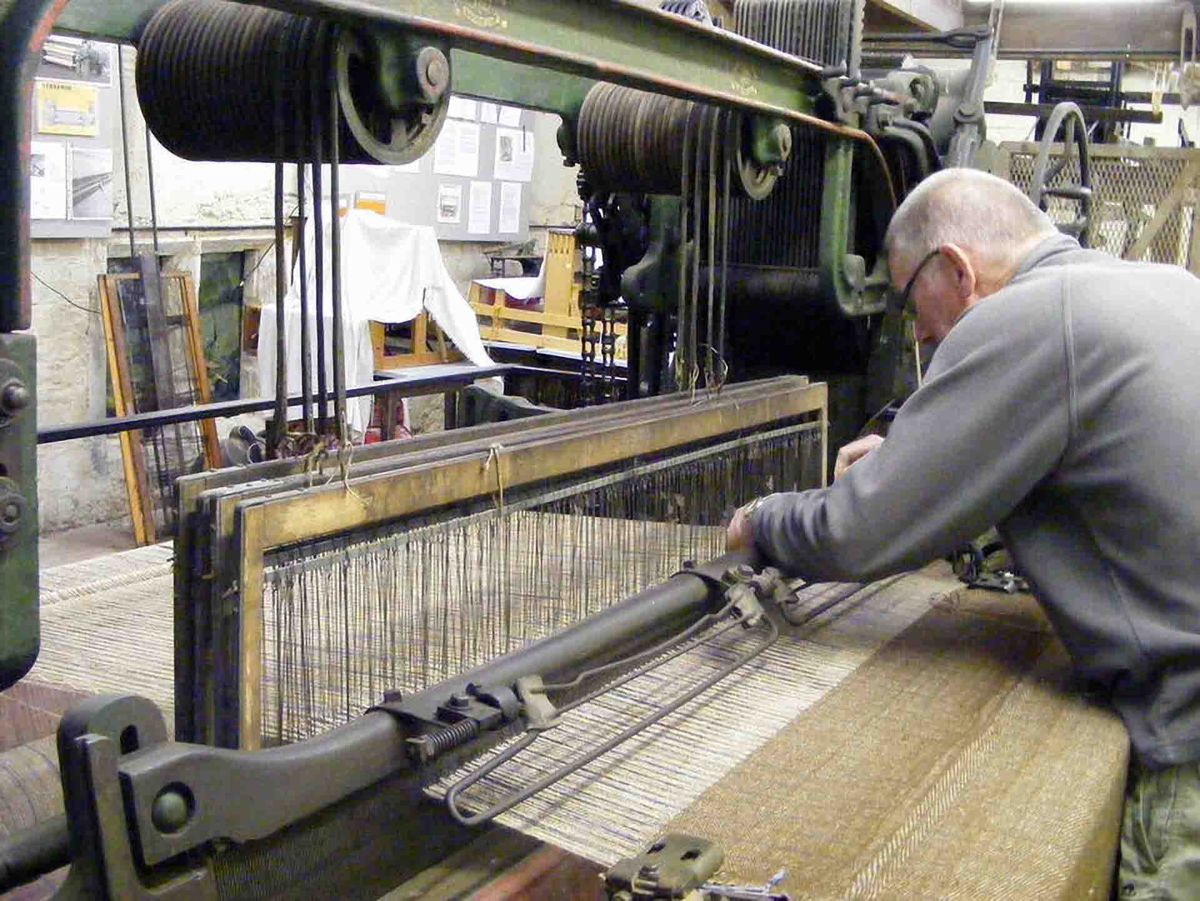
A weaver at the loom 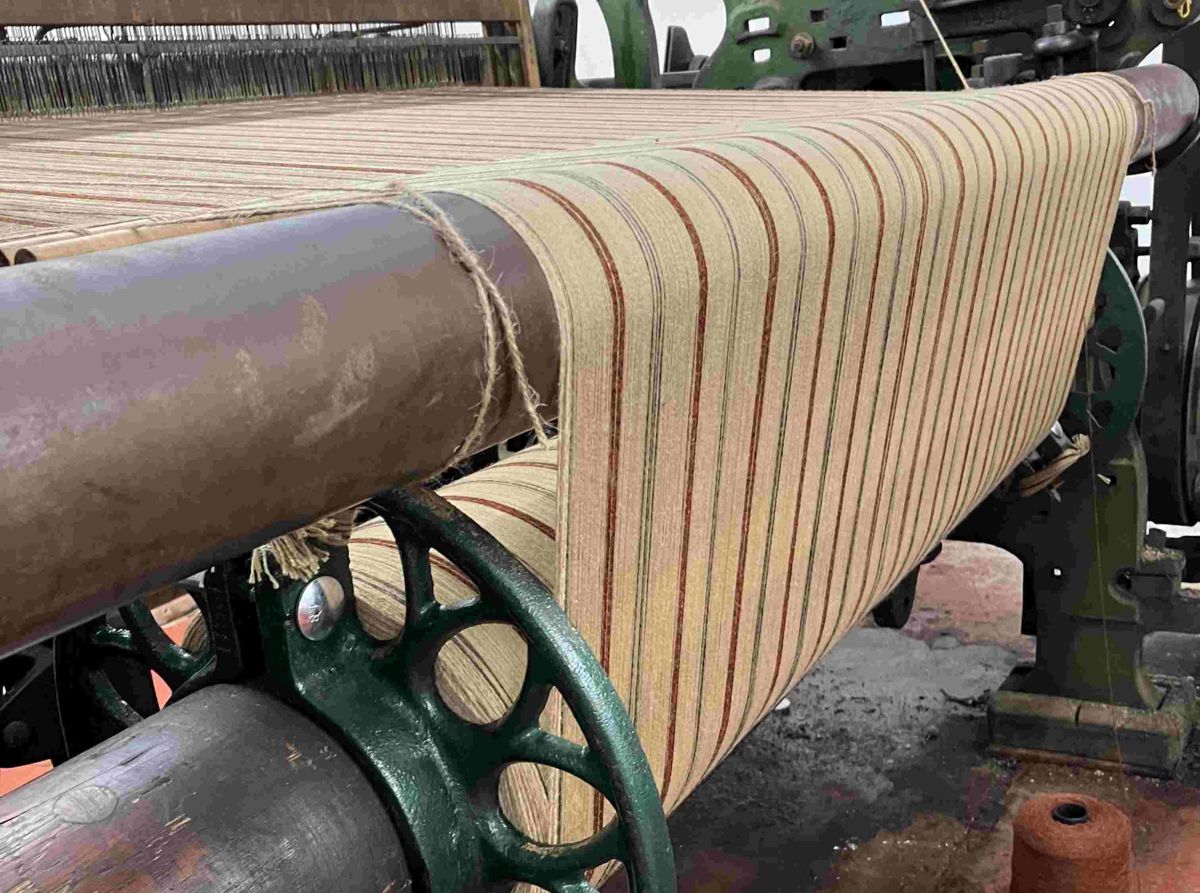
Cloth on a Dobcross loom
Location
Accessibility
- Assistance dogs welcome
The trust says the footpath is not recommended for wheelchair users, and there are two railway-sleeper steps up to the dye-plant garden at the entrance. Toilets at the mill.
Places to stay nearby
-
Wild Garlic Rooms
B&B · Nailsworth
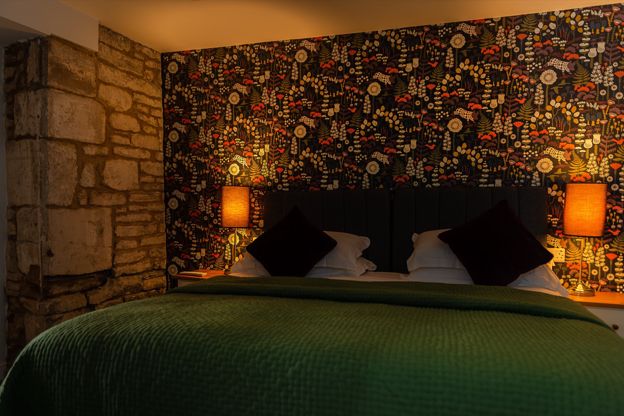
Five self-check-in rooms and suites and two apartments at 3 Cossack Square, Nailsworth, run since 2007 by the team behind the restaurant Wilder.
Verified Nov 2026
-
Egypt Mill
Inn · Nailsworth
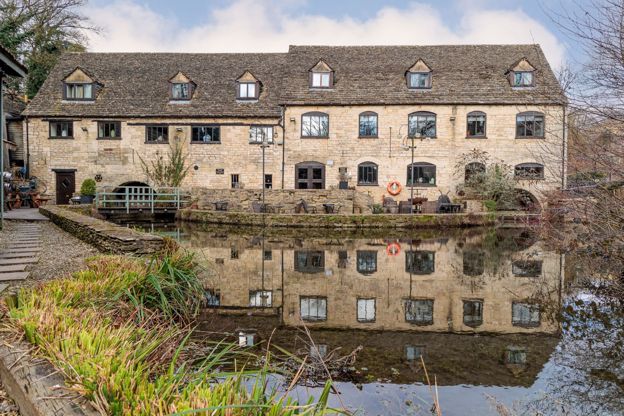
A Grade II* listed former mill in Nailsworth, with its waterwheel and mill pond, now a hotel, pub and restaurant with 28 bedrooms, open from breakfast every day.
Dog-friendly · Family-friendly · Wedding venues
Verified Nov 2026
-

The Old Lodge
Inn · Nailsworth
An inn with six rooms on Minchinhampton Common, about two miles by road from Nailsworth, breakfast included and food all day.
Walker-friendly
Verified Nov 2026
Nearby walks, places and things to do
- Wild Garlic Rooms 0.3 km away
- Wilder 0.4 km away
- William's 0.5 km away
- The Olive Tree, Nailsworth 0.6 km away
Sights nearby
-
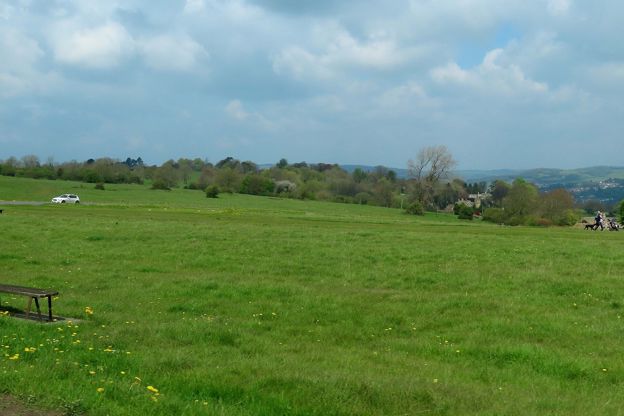
Minchinhampton Common
Sight · Common or park · Minchinhampton
Minchinhampton Common is a wide sweep of limestone grassland above Stroud and Nailsworth, in the care of the National Trust since 1913, where commoners' cattle graze and an Iron Age bank, a long barrow, pillow mounds and wartime trenches lie in the turf. Free to wander.
-

Whitfield's Tump, Minchinhampton Common
Sight · Hill fort or barrow · Minchinhampton
Whitfield's Tump is a Neolithic long barrow on Minchinhampton Common, a low mound 26m long where early farmers buried their dead, named from the tradition that the preacher George Whitefield spoke from it in 1743. A scheduled monument on free National Trust land.
-
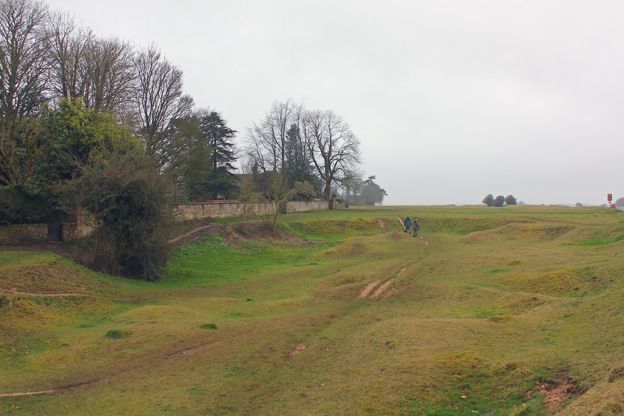
The Bulwarks, Minchinhampton
Sight · Hill fort or barrow · Minchinhampton
The Bulwarks is a Late Iron Age bank and ditch that sweeps across Minchinhampton Common north and north-west of the town: a bank 10m to 12m wide with a stone face, dated by pottery found in the 1937 excavation. It lies on free National Trust common land.
-
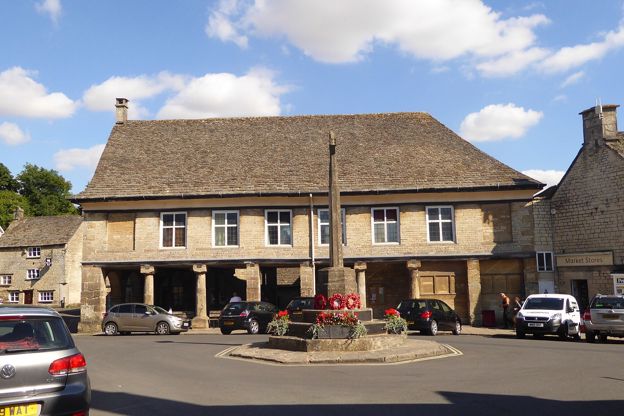
Market House, Minchinhampton
Sight · Historic building · Minchinhampton
Minchinhampton's Market House was built in 1698 by the lord of the manor, Philip Sheppard, for the wool and yarn trade: an open arcade on stone piers with a hall above. Listed Grade II*, it still holds a country market on Wednesday mornings.