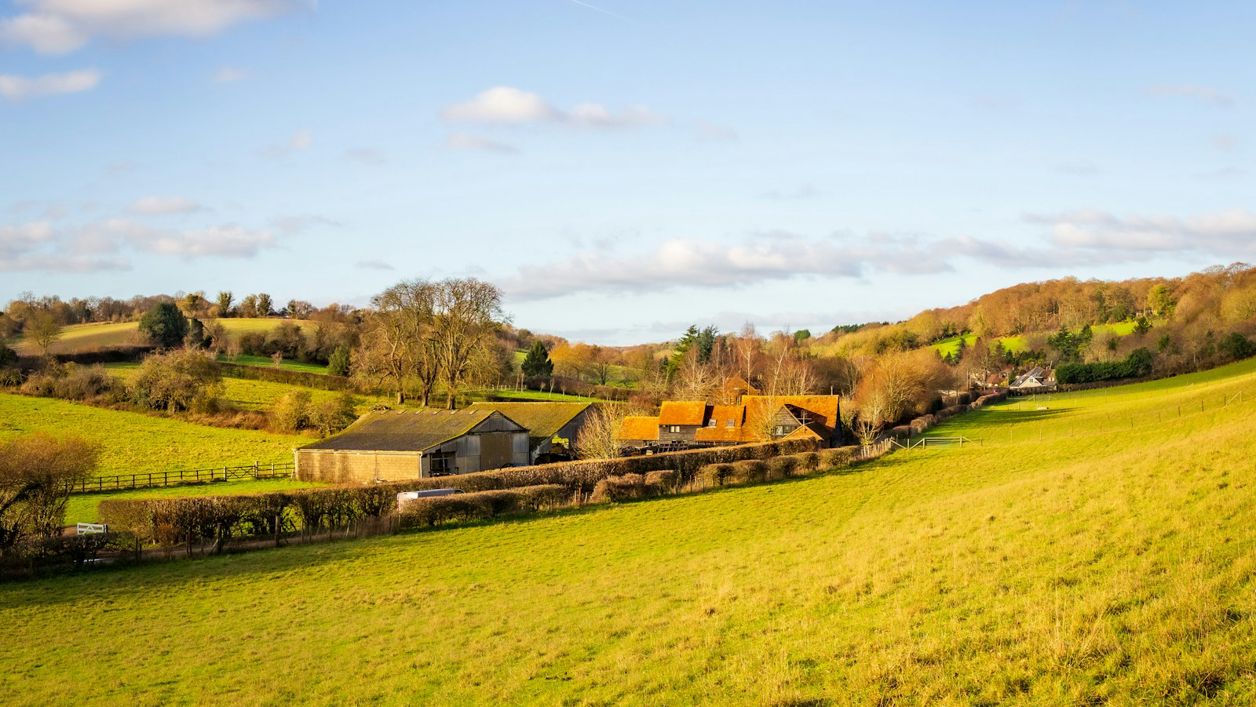
Upper Slaughter castle mound
The motte of a small Norman castle in the middle of Upper Slaughter, on a low hill in a bend of the River Eye below St Peter's church: a flat-topped mound about 22m across, its ditch and bailey still traceable. A scheduled monument, seen from the lanes.
Castle or ruin
Upper SlaughterIn the middle of Upper Slaughter, on a low hill inside a bend of the River Eye, is the motte of a Norman motte and bailey castle, just below St Peter's church. It is small and grassed over, but it explains the shape of the village, and Historic England has scheduled it as a monument since 1948.
History
The mound was raised for a small castle, probably in the twelfth century, and the Victoria County History says it was used only for a short time. Partial digging in 1877 found a well and the footings of a building on top of the motte, and pottery of the twelfth and thirteenth centuries in the ditch. The Victoria County History notes that the top seven feet (about 2m) of the mound is made-up soil, and suggests the castle was built for local defence rather than as a lord's seat; it doubts a link with the king's serjeant recorded at Slaughter in 1190 and 1239, who probably belonged to the royal manor at Lower Slaughter.
The church next door was caught up in the fighting of the twelfth century: its listing records that in the civil war the Abbot of Gloucester complained that St Peter's had been used for defence, and the Victoria County History dates an attack on it, in the civil war of Stephen's reign, to about 1145. Neither the scheduling nor the Victoria County History names the castle's builder.
What to look for
The scheduling describes what survives:
- A circular, flat-topped mound up to 22m across and 2.7m high
- A ditch round it, now partly filled, which excavation showed to be up to 8m wide and 4m deep
- To the north and west, a scarp about 90m long with a flat platform above the river: the bailey, where the castle's yard and buildings stood
Stand by the church and look down: the Victoria County History reads the whole village from here, the castle mound on the bend of the stream, the church above it and the houses on the shoulder of the hill.
Visiting
The mound is seen from the lanes and paths through the village and from near the church. We have not confirmed a public path onto the mound itself, so treat it as a monument to look at. Winter and early spring, when the grass is short and the trees bare, show the shape of the motte and ditch best.
Getting there
Upper Slaughter is reached by lanes about a mile upstream of Lower Slaughter, north-west of Bourton-on-the-Water. There is no public car park and no public toilets in the village; walkers usually park in Lower Slaughter and come up the Wardens' Way. No timed bus calls, but the Robin, a minibus you book ahead, serves the village. The walk from Lower Slaughter, the Bourton, Upper and Lower Slaughter walk and the Bourton, the Slaughters and Naunton walk all pass within about 60m.
Nearby
St Peter's Church stands just above it and is open every day, and the Manor House is a short way south. Lords of the Manor, the Witts family's house of about 1649, has been the village's hotel since 1972. Downstream in Lower Slaughter are the Old Mill, St Mary's Church and the Slaughters Country Inn.
Walks past Upper Slaughter castle mound
-
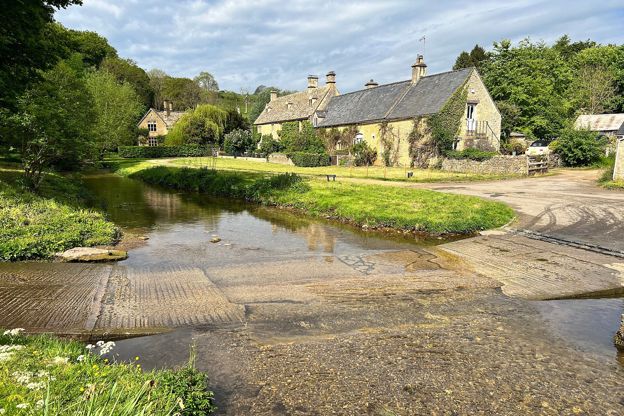
Bourton-on-the-Water, the Slaughters and Naunton
Walk · Starts in Bourton-on-the-Water · 5 hrs · Circular
A 10-mile (16.4km) circular walk from Bourton-on-the-Water, four to five hours of moderate walking with stiles and steep slopes. It follows the Wardens' Way through Lower and Upper Slaughter to Naunton, then comes home down the Windrush valley on the Windrush Way.
-
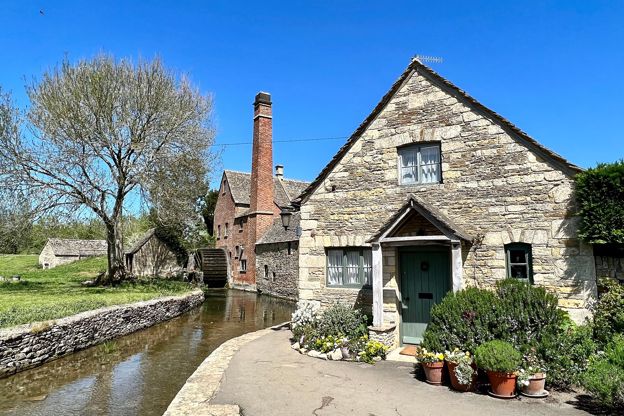
Bourton, Upper Slaughter and Lower Slaughter
Walk · Starts in Bourton-on-the-Water · 2 hrs, 15 mins · Circular
A 6-mile (9.7km) circular walk from Rissington Road in Bourton-on-the-Water, two to two and a half hours of moderate walking with a few stiles. It heads west on bridleways, up a quiet lane to Upper Slaughter, and down the River Eye to Lower Slaughter's mill.
-
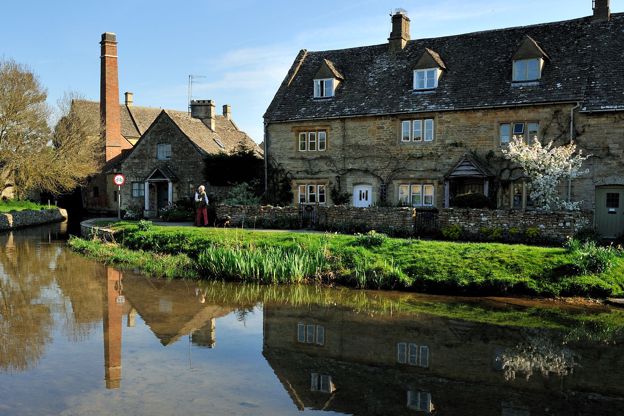
Lower Slaughter to Upper Slaughter
Walk · Starts in Lower Slaughter · 45 mins · Circular · Dog-friendly
A 2-mile (3.1km) there-and-back from Lower Slaughter, easy and almost level, in 45 minutes to an hour: on the Wardens' Way from Lower Slaughter's mill up the River Eye through riverside fields to Upper Slaughter's ford, church and manor, and back the same way.
Stay and eat near Upper Slaughter castle mound
-
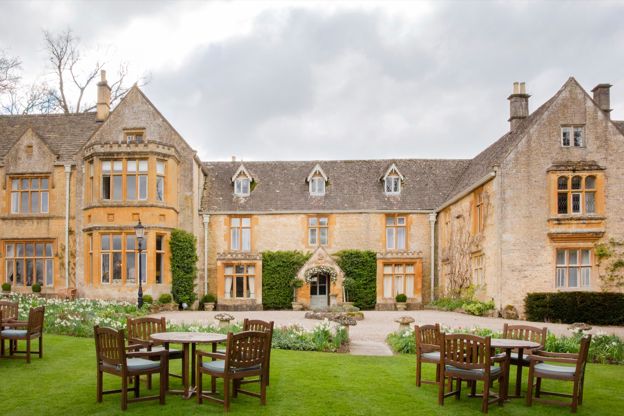
Lords of the Manor
Hotel · Upper Slaughter
A country house hotel with 25 bedrooms in eight acres of grounds in Upper Slaughter, in a house it dates to 1649, with dogs welcome.
Dog-friendly · EV charging · Wedding venues
Verified Oct 2026
-
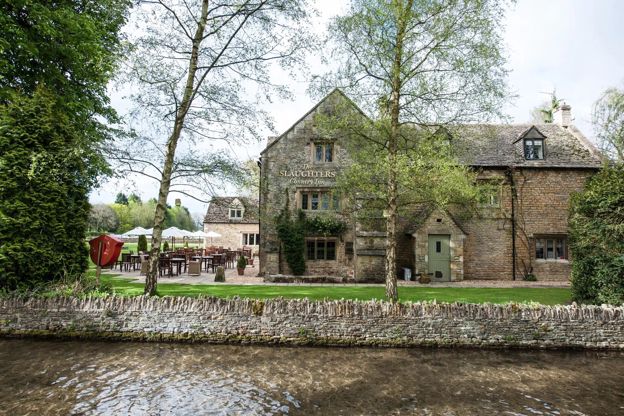
The Slaughters Country Inn
Inn · Lower Slaughter
An inn in Lower Slaughter, bought and renamed by the Brownsword family in 2011, with dog rooms and a Field Kitchen from April to September.
Dog-friendly · Family-friendly · Walker-friendly
Verified Oct 2026
-
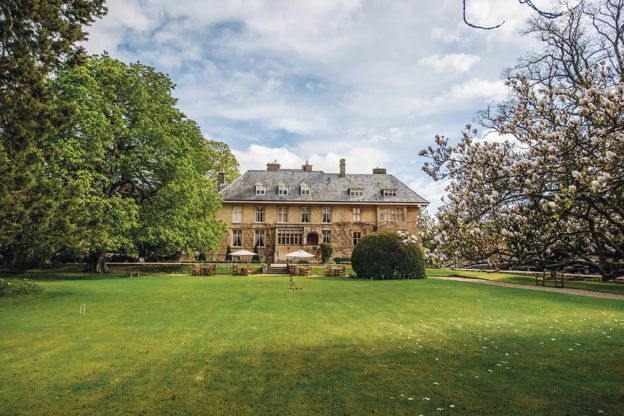
The Slaughters Manor House
Hotel · Lower Slaughter
A 17th-century manor house hotel with 19 bedrooms on Copsehill Road, Lower Slaughter, home of the Whitmore family until 1964, with dog rooms booked by phone.
Dog-friendly · Family-friendly · Wedding venues
Verified Oct 2026
More sights to see
-
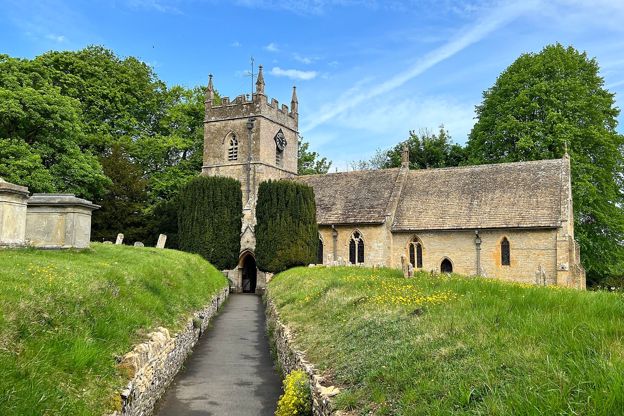
St Peter's Church, Upper Slaughter
Sight · Church · Upper Slaughter
Upper Slaughter's church, above the ford over the River Eye: a twelfth-century nave, a tower built from reused Norman stone, and the mortuary chapel of the diarist Francis Witts, rector here for 46 years. Grade II*; open every day.
-
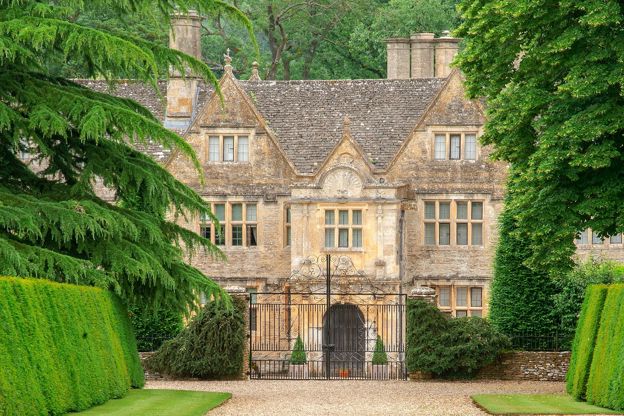
Manor House, Upper Slaughter
Sight · Historic building · Upper Slaughter
Upper Slaughter's Elizabethan manor house, Grade I, home of the Slaughter family until 1741: gabled Cotswold stone over a fifteenth-century vaulted basement, with a two-storey porch of the early seventeenth century covered in fretwork. A private house, seen from the lane.
-
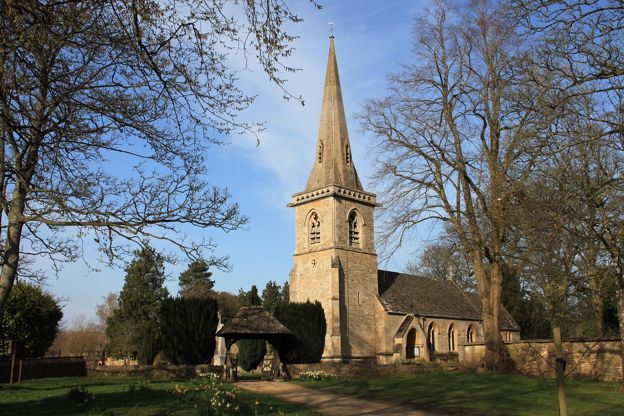
St Mary's Church, Lower Slaughter
Sight · Church · Lower Slaughter
Lower Slaughter's church, almost entirely rebuilt in 1867 for the Whitmore family, lords of the manor, but keeping a north arcade of around 1200, with a broad spire behind a pierced parapet. Grade II*; open, with a ramp.